
Skymark Airlines Deploys Boeing 737 MAX 8 Jets on Tokyo Haneda to Fukuoka Routes in Strategic Japan Fleet Modernization Campaign in 2026
Skymark Airlines expands its fleet in 2026, deploying Boeing 737 MAX 8 and planning MAX 10 jets on the high-demand Tokyo Haneda to Fukuoka corridor.

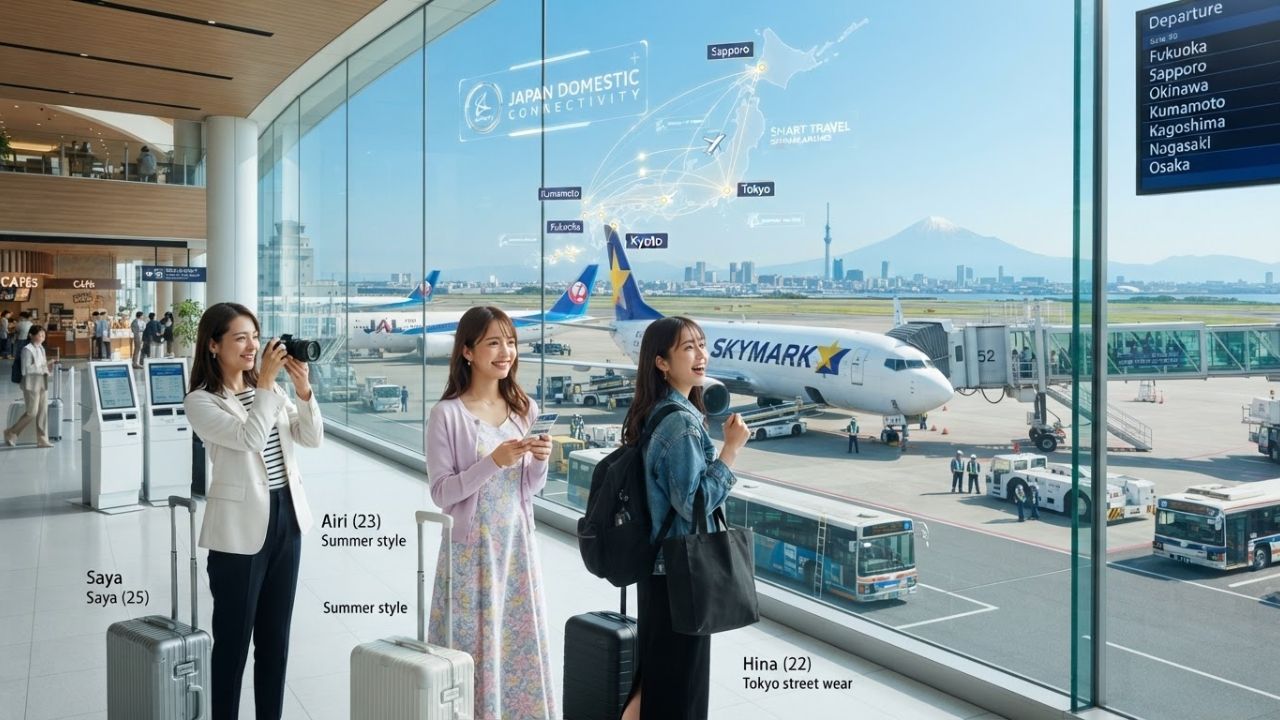
Image generated by AI
Skymark Airlines Deploys Boeing 737 MAX 8 Jets on Tokyo Haneda to Fukuoka Routes in Strategic Japan Fleet Modernization Campaign in 2026
Skymark Airlines has initiated its fleet modernization program by introducing Boeing 737 MAX 8 aircraft into regular commercial service on its busiest domestic routes.
The Disruption Details
Fleet registry data and aviation reports published on July 21, 2026, confirm that Skymark Airlines is accelerating its transition to next-generation single-aisle aircraft. The Japanese carrier launched its first Boeing 737 MAX 8 commercial operations on the high-density Tokyo Haneda Airport (HND) to Fukuoka Airport (FUK) route in May 2026. This aircraft swap marks a transition from its older fleet of Boeing 737-800 jets, introducing improved fuel efficiency and modernized cabin configurations to its core domestic services.
Flight tracking systems indicate that Skymark is deploying these new jets on key regional trunks to meet growing passenger numbers and optimize operations. While schedule times remain unchanged, the introduction of the new cabins will alter the seat layouts and overhead bin capacity on the affected flights. To support this fleet expansion, Skymark plans to introduce both the Boeing 737 MAX 8 and the higher-capacity Boeing 737 MAX 10 variants as deliveries continue.
Flight & Airport Impact Breakdown
Our analysis of flight scheduling telemetry and airport operations shows that the fleet expansion will directly affect the following Japanese regional corridors and hubs:
- Tokyo Haneda Airport (HND): Serving as the airline's main hub, Haneda will host the majority of the new aircraft departures, beginning with the Fukuoka route.
- Fukuoka Airport (FUK): Operating as the main gateway to western Japan and the island of Kyushu, Fukuoka will see daily seasonal flights transition to the MAX 8.
- Sapporo New Chitose (CTS): Future fleet deployment plans indicate the Hokkaido leisure route will be the next trunk line to transition to the new aircraft.
- Okinawa Naha Airport (OKA): Regional tourism routes linking mainland Japan to southern island chains are scheduled for aircraft updates in upcoming phases.
- Kyushu Regional Connections: The Fukuoka route provides international transit passengers with connections to Nagasaki, Kumamoto Castle, Mount Aso, and the hot springs of Beppu.
Passenger Rights & Advisory (Information Gain)
Under the guidelines of the Japan Ministry of Land, Infrastructure, Transport and Tourism (MLIT), an airline's decision to swap aircraft equipment for scheduling or fleet modernization does not constitute a flight cancellation or delay. Therefore, passengers are advised of their rights and options under Skymark's domestic conditions of carriage:
- Seat Re-Assignments: Because the cabin configurations and seat spacing of the Boeing 737 MAX 8 differ from the older Boeing 737-800, passengers may experience automatic seat re-assignments. Travelers should verify their seat choices via the airline's website or during mobile check-in.
- Refund and Cancellation Policies: Equipment changes do not entitle passengers to free refunds, ticket cancellations, or voluntary rebooking options. If a passenger decides to cancel their trip because of an aircraft swap, standard cancellation fees and fare rules will apply.
- Baggage Allowances: The newer Boeing 737 MAX cabin features larger pivot overhead bins, reducing the likelihood of carry-on bags being checked at the gate. However, standard domestic size and weight restrictions for carry-on luggage remain strictly enforced at Haneda and Fukuoka.
- Peak Travel Season Advisory: Travelers planning journeys during Japan's major holidays—including the Cherry Blossom season, Golden Week, Summer Festivals, Autumn Foliage season, and New Year holidays—should check flight details early, as seat availability is limited during these high-volume travel windows.
Industry Analyst View
The deployment of the Boeing 737 MAX 8 by Skymark Airlines is a strategic response to the competitive pressures in Japan's domestic aviation market. Operating between full-service network carriers and low-cost operators, Skymark must maintain competitive fares while managing rising fuel costs. The Boeing 737 MAX family offers a significant reduction in fuel burn compared to previous-generation 737-800 aircraft, which directly helps the carrier protect its yields on high-volume routes like Tokyo-Fukuoka.
Furthermore, the planned introduction of the larger Boeing 737 MAX 10 will allow Skymark to add capacity at slot-constrained airports like Tokyo Haneda without increasing flight frequencies. This fleet modernization strategy is essential as Japan continues to experience high levels of international tourism. By providing modern, reliable domestic connections, Skymark can capture a larger share of international visitors looking to travel beyond the traditional Tokyo-Kyoto-Osaka corridor.
Related Travel Guides
Disclaimer
This article is for informational and educational purposes only. It does not constitute legal, financial, or professional advice. While we strive to provide accurate and up-to-date information, travel policies, regulations, and conditions change rapidly. Always verify information with official sources before making travel decisions. Nomad Lawyer makes no representations about the accuracy, reliability, completeness, or suitability of the information provided. Readers should consult qualified professionals for advice specific to their circumstances. The views expressed in this article are those of the author and do not necessarily reflect the views of Nomad Lawyer.
Kunal K Choudhary
Co-Founder & Contributor
A passionate traveller and tech enthusiast. Kunal contributes to the vision and growth of Nomad Lawyer, bringing fresh perspectives and driving the community forward.
Learn more about our team →