
Japan Unveils TABISIA Fukuoka Airport Complex: Luxury Hotel and Retail Hub Opening 2027
Fukuoka Airport is transforming into a tourism destination with the TABISIA complex, featuring a 165-room luxury hotel and pre-security shopping, scheduled for a summer 2027 launch.

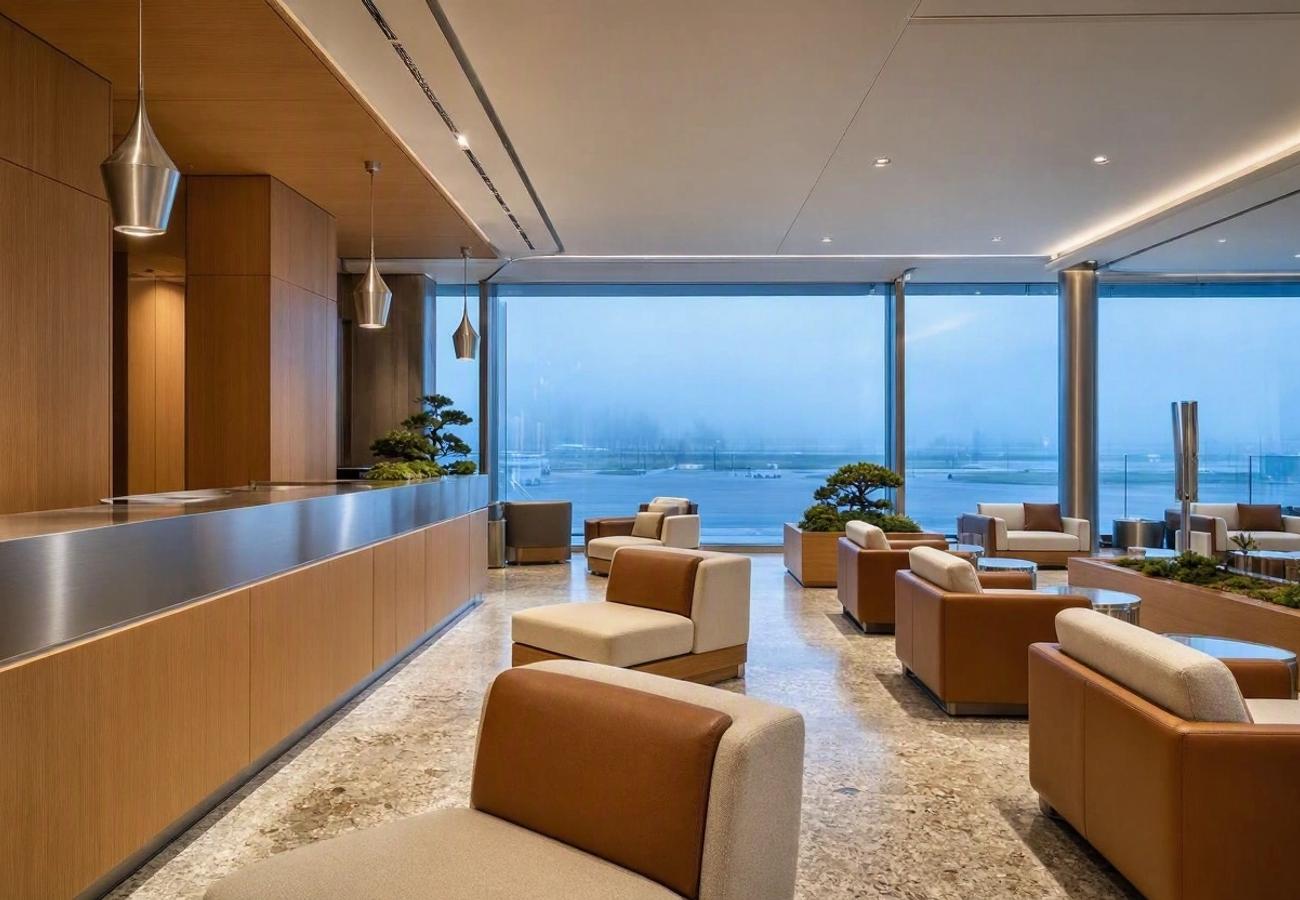
Image generated by AI
Imagine landing at Fukuoka Airport with a 6:00 AM departure the next morning, but instead of trekking into the city and risking traffic, you check into a luxury suite steps from your gate, enjoy a traditional public bath, and dine on authentic Asian cuisine—all without ever leaving the airport precinct. This will be the reality for travelers starting in summer 2027 with the launch of TABISIA.
The Transformation of Fukuoka Airport into TABISIA
Fukuoka Airport is evolving from a mere transit point into a comprehensive tourism destination. The centerpiece of this evolution is TABISIA, an 11-storey complex integrated into the domestic terminal. Construction began in April 2025, with the structure expected to be completed by spring 2027 and officially open to the public in summer 2027.
The development represents a strategic shift in Japanese aviation infrastructure, designing the airport as a "destination" rather than a gateway. By placing a significant portion of the retail and dining options before the security checkpoints, the airport is opening its doors to non-flying visitors and local residents, effectively creating a commercial hub that operates independently of flight schedules.
Key Facilities and Infrastructure Specifications
The TABISIA complex is designed to merge regional Kyushu culture with a broader Asian influence. The most notable addition is the Solaria Nishitetsu Hotel Fukuoka Airport, managed by the Nishitetsu Group. This hotel will occupy the upper reaches of the complex, from the sixth to the eleventh floors, providing high-end accommodation for transit passengers and short-term visitors.
The fifth floor is dedicated to wellness and business, housing a reception area, fitness centers, meeting rooms, and a public bath. For food enthusiasts, the "ASIYONG" floor will serve as a culinary crossroads, offering a curated selection of cuisines from across Asia.
TABISIA Development Quick-Reference Data
| Feature | Detail | Specification/Status |
|---|---|---|
| Opening Date | Summer 2027 | Scheduled |
| Hotel Name | Solaria Nishitetsu Hotel Fukuoka Airport | 165 Guest Rooms |
| Hotel Layout | Floors 6–11 (Rooms); Floor 5 (Amenities) | Double, Twin, Triple options |
| Retail Capacity | Approximately 270 Shops | Pre-security access |
| Dining Hub | ASIYONG Floor | Multi-nation Asian cuisine |
| Structure Height | 11 Storeys | Connected to Domestic Terminal |
| Transport Link | Subway to Hakata (5 min) / Tenjin (10 min) | Existing Infrastructure |
Your Rights as a Passenger in Japan
While TABISIA enhances the luxury experience, passengers traveling to Fukuoka should be aware of their legal protections regarding flight disruptions. Unlike the EU or UK, Japan does not have a direct equivalent to EU261/2004 for fixed-sum compensation. However, passenger rights are governed by the airline's Conditions of Carriage and the Ministry of Land, Infrastructure, Transport and Tourism (MLIT).
If your flight to Fukuoka is cancelled or significantly delayed, you are generally entitled to:
- Duty of Care: Provision of meals and communications during long delays.
- Re-routing or Refund: The option to be booked on the next available flight or receive a full refund of the unused portion of the ticket.
- Accommodation: If an overnight stay is required due to a carrier-caused delay, airlines typically provide hotel vouchers, though the quality varies.
For those flying into Fukuoka from Europe or the UK, UK CAA guidelines or EU261 still apply if the flight departs from an EU/UK airport, regardless of the destination. This means you could be entitled to up to €600 in compensation for cancellations made with less than 14 days' notice.
Rebooking Strategy and Logistics for 2027
When planning a visit to the TABISIA complex in 2027, consider the following logistical strategies to maximize efficiency:
1. Terminal Navigation: International arrivals land at the International Terminal. To reach TABISIA and the Solaria Nishitetsu Hotel, you must use the free inter-terminal shuttle. While the journey is officially listed as 10 minutes, I advise budgeting 20–30 minutes to account for shuttle frequency and walking distances. You can monitor real-time flight arrivals via FlightRadar24 to time your shuttle transfer.
2. Transit Efficiency: If you are not staying at the airport hotel, the subway remains the fastest route. The 5-minute trip to Hakata Station is the gold standard for efficiency. Avoid taxis during peak morning and evening rush hours to prevent congestion-related delays.
3. Booking Windows: As the Solaria Nishitetsu Hotel is expected to be a high-demand hub for business and transit travelers, booking windows are expected to open several months before the summer 2027 launch. Keep a close watch on the official Fukuoka Airport status page for reservation links.
FAQ: TABISIA Fukuoka Airport 2027
Do I need a boarding pass to enter TABISIA? No. The shopping and dining facilities are located before airport security, meaning they are accessible to the general public, local residents, and travelers without a ticket.
Is there an admission fee for the TABISIA complex? There is no general admission fee to enter the complex. However, individual services, such as the hotel, restaurants, and specific retail experiences, will have their own costs.
How do I get from the International Terminal to the TABISIA hotel? You must take the free inter-terminal shuttle bus from the International Terminal to the Domestic Terminal, where the TABISIA complex is directly connected.
Will the hotel offer rooms for families? Yes, the Solaria Nishitetsu Hotel is planned to offer double, twin, and triple room configurations to accommodate couples, business travelers, and families.
The airport is no longer just a place to wait—it is becoming the destination itself.
Related Travel Guides
Disclaimer
This article is for informational and educational purposes only. It does not constitute legal, financial, or professional advice. While we strive to provide accurate and up-to-date information, travel policies, regulations, and conditions change rapidly. Always verify information with official sources before making travel decisions. Nomad Lawyer makes no representations about the accuracy, reliability, completeness, or suitability of the information provided. Readers should consult qualified professionals for advice specific to their circumstances. The views expressed in this article are those of the author and do not necessarily reflect the views of Nomad Lawyer.
Preeti Gunjan
Contributor & Community Manager
A passionate traveller and community builder. Preeti helps grow the Nomad Lawyer community, fostering engagement and bringing the reader experience to life.
Learn more about our team →