
How Dubai is Promoting Heritage Tourism and Desert Eco-Conservation Projects Amid Middle East Flight Schedule Restorations in 2026
As Emirates restores nearly 90 percent of its flights at DXB, Dubai encourages transit passengers to explore local cultural heritage and desert reserves in 2026.

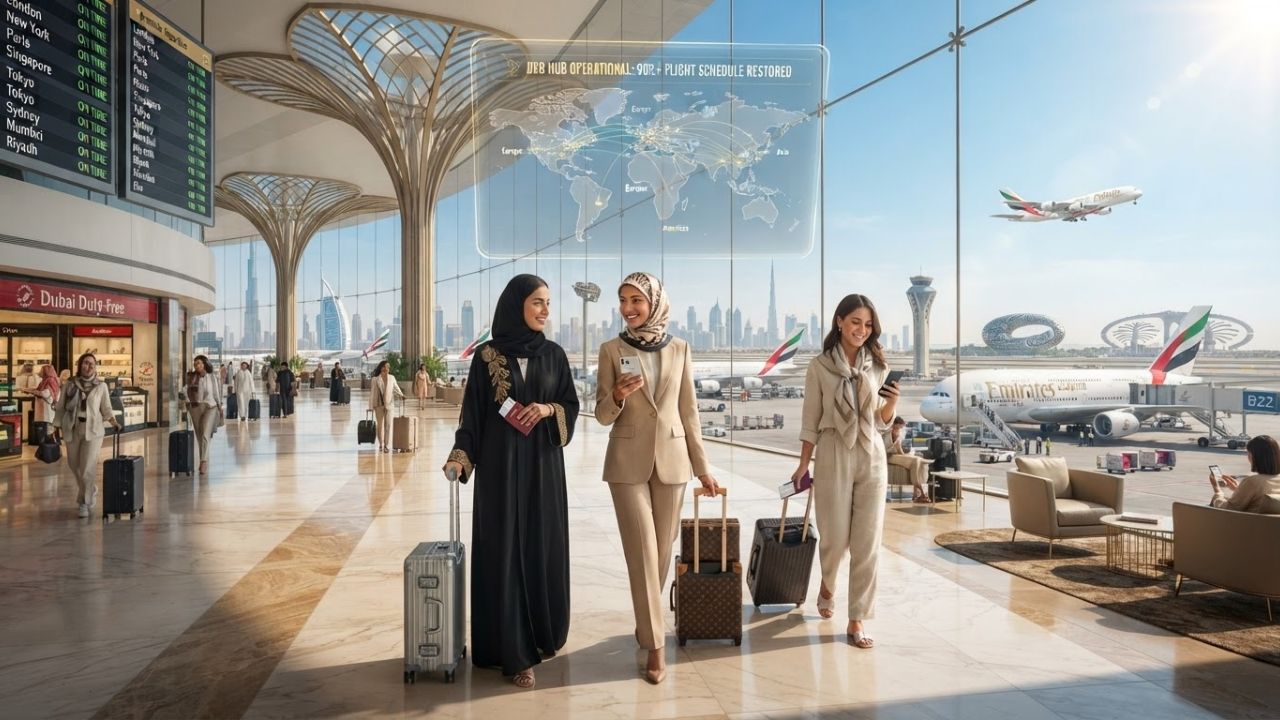
Image generated by AI
How Dubai is Promoting Heritage Tourism and Desert Eco-Conservation Projects Amid Middle East Flight Schedule Restorations in 2026
Dubai is leveraging its restored international aviation capacity to encourage stopover travelers to explore traditional wind-tower neighborhoods and community-led desert reserves rather than restricting their visits to modern retail complexes.
The Local Trend Revealed
Dubai International Airport (DXB) has maintained normal operations, with Emirates running nearly 90 percent of its scheduled international flights as of July 21, 2026. Despite regional airspace restrictions across parts of the Middle East, the carrier has successfully restored 80 to 90 percent of its passenger network, leaving only 10 to 20 percent of departures subject to routing adjustments or cancellations. Operations remain centered at Emirates Terminal 3, with departures and arrivals using gates across Concourses A, B, and C.
While airlines navigate restricted flight corridors by extending routes, DXB's terminals and immigration facilities continue to process travelers at close-to-full capacity. To help transit passengers manage their schedules and potential rerouting times, local tourism bodies are promoting regional cultural attractions, making it easier for stopover travelers to exit the terminal and explore the emirate's heritage projects.
Cultural & Environmental Value (Information Gain)
Rather than focusing exclusively on modern skyscrapers, the Dubai Department of Economy and Tourism (DET) and the Sheikh Mohammed bin Rashid Al Maktoum Centre for Cultural Understanding (SMCCU) are steering visitor traffic toward historic conservation districts. These initiatives help support traditional artisans, local heritage museums, and desert conservation ecosystems.
A key focus of these sustainability efforts is the Al Marmoom Desert Conservation Reserve, the first unfenced desert reserve in the United Arab Emirates. Visitors can book guided tours that support native wildlife conservation, including the protection of the Arabian oryx and desert gazelle populations. Additionally, transit travelers are encouraged to use the zero-emission electric Dubai Metro system to reach historic districts, reducing the carbon footprint associated with taxi transfers.
Visitor Insider Tips
For travelers transiting through DXB or planning a short stopover in Dubai, these recommendations will help you experience the local culture responsibly.
- Off-Peak Travel Window: The most comfortable season to visit is from November to March, when winter temperatures average a pleasant 25°C. The summer months of June to August offer the lowest hotel rates, though outdoor activities are limited by extreme heat.
- Observe Dress Guidelines: Dress modestly in public spaces, including shopping malls and historic districts, by keeping shoulders and knees covered. Always ask for permission before taking photographs of local residents.
- Explore Al Fahidi Historical Neighbourhood: Walk through this restored 19th-century merchant district, featuring traditional gypsum and coral buildings topped with wind towers (barajeel). Visit local art galleries and spice shops.
- Take a Traditional Abra Boat Ride: Cross Dubai Creek on a wooden abra boat from Bur Dubai to Deira for a fare of only 1 AED. This route offers a view of the traditional spice and textile souks.
- Try Traditional Emirati Specialties: Sample Al Harees (slow-cooked wheat and meat) and Al Machboos (spiced rice cooked with lamb or fish). For dessert, try Luqaimat (sweet fried dough balls coated in date syrup) served with Arabic coffee (gahwa).
Tourism Outlook
As Emirates maintains its flight schedule and DXB operates at normal capacity, Dubai is demonstrating the resilience of its transport infrastructure. By shifting the focus of transit tourism toward desert reserves and historical neighborhoods, the emirate is creating a balanced travel model. These initiatives ensure that as flight paths and schedule frequencies stabilize, the benefits of international arrivals are shared with local conservation projects and cultural preservation organizations.
Related Travel Guides
Disclaimer
This article is for informational and educational purposes only. It does not constitute legal, financial, or professional advice. While we strive to provide accurate and up-to-date information, travel policies, regulations, and conditions change rapidly. Always verify information with official sources before making travel decisions. Nomad Lawyer makes no representations about the accuracy, reliability, completeness, or suitability of the information provided. Readers should consult qualified professionals for advice specific to their circumstances. The views expressed in this article are those of the author and do not necessarily reflect the views of Nomad Lawyer.
Kunal K Choudhary
Co-Founder & Contributor
A passionate traveller and tech enthusiast. Kunal contributes to the vision and growth of Nomad Lawyer, bringing fresh perspectives and driving the community forward.
Learn more about our team →