
Singapore Restaurant Sector Undergoes Historic Transformation in 2026 as Consumer Priorities Shift
Singapore's food and beverage industry is experiencing a historic operational shift as selective consumer spending, regional Chinese cuisines, and kitchen automation reshape the market.

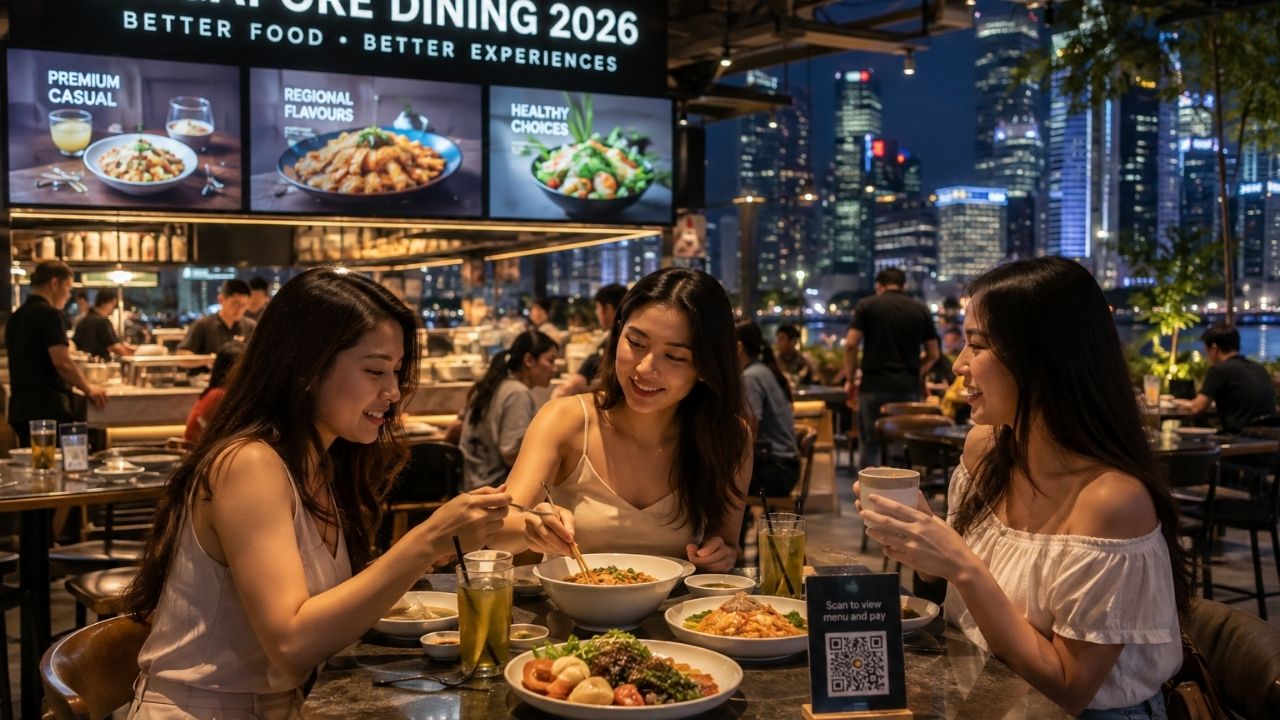
Image generated by AI
Singapore’s dining landscape is undergoing a structural transformation as consumer priorities pivot away from standard convenience toward experience-led dining. In response to selective spending habits, food and beverage operators across the city-state are adopting casual luxury formats, specialized regional cuisines, digital social discovery, and automated kitchen technologies.
Experience-Led Priorities Drive the Rise of Premium Casual Dining
[SINGAPORE] — Singapore’s multi-billion dollar food and beverage (F&B) industry is experiencing a major market realignment. Long reliant on high-volume, standard convenience dining, restaurant operators across the city-state are confronting a fundamental shift in consumer behavior. Diners are becoming increasingly selective with discretionary spending, favoring venues that offer authentic culinary identities, high-quality ingredients, and distinctive dining environments.
This shift has created market polarization. Traditional mid-priced eateries offering familiar, uninspired menus without strong brand narratives are facing intense financial pressures. Conversely, the market is seeing rapid growth in the "casual luxury" or "premium casual" segment. These concepts combine artisanal cooking, curated ingredient sourcing, and elevated presentation with relaxed, accessible atmospheres, appealing directly to experience-focused professionals and international travelers.
Simultaneously, health-conscious dining has evolved from a niche preference into a mainstream expectation. Modern Singapore diners regularly seek out reduced-sugar options, alternative plant-based ingredients, and wellness-focused beverages, prompting culinary teams to reformulate classic recipes without compromising authentic regional flavors.
Regional Chinese Traditions Eclipse Generic Dining Formats
A primary driver of Singapore’s evolving culinary landscape is the rise of specialized regional Chinese cuisines. While broad dining formats like standard hotpot and generic mala concepts previously dominated commercial shopping malls, contemporary consumers are seeking deeper cultural authenticity.
Diners are increasingly patronizing restaurants dedicated to specific provincial traditions:
- Hunan Cuisine: Gaining market share among diners seeking bold chili intensity, smoked meats, and fresh ingredient preparation.
- Guizhou and Yunnan Cuisines: Attracting food enthusiasts through distinctive fermented flavors, sour broths, wild herbs, and regional mushrooms.
- Northeastern Chinese Barbecue & Fujian Specialties: Experiencing expanded outlet growth due to strong communal dining appeal.
- Shaanxi Hand-Pulled Noodles: Growing rapidly in high-density retail centers as value-focused artisanal lunch options.
By highlighting provincial heritage and specialized cooking techniques, these regional concepts provide diners with authentic cultural connections that go beyond standard mass-market dining.
Kitchen Automation and Centralized Supply Chains Reshape F&B Operations
Beyond culinary shifts, Singapore’s restaurant market is being reshaped by large-scale operational technology. Rapidly expanding regional restaurant groups are deploying automated kitchen infrastructure to maintain consistency and mitigate rising labor costs.
These corporate restaurant groups rely on centralized food preparation facilities, standardized ingredient supply chains, and automated cooking equipment. Digital inventory tracking and robotic cooking stations allow multi-outlet brands to deliver consistent food quality across prime retail locations while maintaining competitive price points.
The table below compares operational models, technology levels, and consumer positioning across Singapore's key dining segments:
| Restaurant Market Segment | Menu Focus & Culinary Identity | Primary Target Demographic | Operational & Kitchen Structure | Technology Integration Level |
|---|---|---|---|---|
| Premium Casual / Casual Luxury | Elevated regional Asian fusion & modern concepts | Experience-driven professionals & tourists | Chef-led kitchens, curated boutique sourcing | High digital marketing & reservation integration |
| Specialized Regional Chinese | Authentic provincial traditions (Hunan, Guizhou, Shaanxi) | Adventurous foodies & cultural diners | Centralized preparation with specialized wok stations | Moderate-to-high supply chain automation |
| Automated Group Outlets | Standardized high-volume regional dishes | Value-conscious shoppers & office workers | Automated cooking robots & central kitchens | Advanced cloud inventory & automated cooking |
| Traditional Mid-Priced | Generic unspecialized international menus | Traditional local family diners | Traditional manual kitchen operations | Low-to-moderate legacy POS systems |
Social Media Replaces Traditional Marketing as Primary Search Engine
The way diners discover and evaluate restaurants in Singapore has undergone a digital revolution. Traditional food reviews and print advertising have largely been replaced by mobile social discovery platforms, particularly TikTok, Instagram Reels, and Xiaohongshu (Red).
Younger consumers and international tourists utilize short-form video content as their primary restaurant search engine. Visually striking dish presentations, interactive tableside service, and aesthetic interior design now directly drive reservation volumes and walk-in traffic.
Consequently, successful restaurant operators treat digital storytelling as a core operational requirement. Brands design menu items and dining spaces specifically to generate organic social sharing, turning satisfied customers into effective brand ambassadors.
Cloud Analytics and Data Loyalty Programs Streamline Performance
Behind the scenes, modern data analytics systems are becoming essential for restaurant survival in Singapore's high-rent retail environment. Multi-location operators rely on cloud-based management platforms to monitor real-time sales performance, track food waste, and manage inventory levels across outlets.
Automated customer relationship management (CRM) platforms analyze dining patterns, allowing operators to launch personalized loyalty rewards, digital vouchers, and targeted promotions during off-peak hours.
By leveraging real-time operational data, forward-thinking F&B brands optimize seating turnover, reduce food waste expenditures, and maintain profitability in a highly competitive market.
Why This Matters for Diners and International Travellers
For food enthusiasts and tourists visiting Singapore, the 2026 dining evolution offers unprecedented access to diverse regional Asian cuisines and high-value culinary experiences. Travelers no longer need to book expensive formal fine-dining venues to enjoy exceptional meals; the rise of "casual luxury" means top-tier ingredients are available in relaxed, accessible settings across the city. Using digital platforms like Xiaohongshu and Instagram Reels, visitors can easily discover hidden provincial food gems, from authentic Hunan spice hubs to artisanal Shaanxi noodle bars, making dining in Singapore more dynamic and culturally rich than ever.
Frequently Asked Questions
Why are traditional mid-priced restaurants struggling in Singapore in 2026?
Traditional mid-priced restaurants face pressure because consumers are spending more selectively. Diners are choosing either value-driven automated outlets or distinctive "casual luxury" venues with strong culinary identities, leaving generic mid-priced concepts struggling to differentiate themselves.
Which regional Chinese cuisines are gaining popularity in Singapore?
Specialized provincial cuisines are seeing rapid growth, particularly Hunan cuisine (known for bold chili intensity), Guizhou and Yunnan sour-fermented dishes, Northeastern barbecue, and Shaanxi hand-pulled noodles.
How is technology changing restaurant kitchens in Singapore?
Large restaurant groups are deploying automated cooking machinery, centralized prep facilities, and cloud inventory systems. This technology helps operators maintain consistent food quality, reduce food waste, and control operating costs across high-rent shopping mall locations.
Related Travel Guides
Singapore Michelin Guide and Hawker Center Food Safety Rules
Southeast Asia Culinary Capital Guide: Best Food Cities to Visit
10 Best Casual Luxury Restaurants in Singapore, According to Reddit
Disclaimer
This article is for informational and educational purposes only. It does not constitute legal, financial, or professional advice. While we strive to provide accurate and up-to-date information, travel policies, regulations, and conditions change rapidly. Always verify information with official sources before making travel decisions. Nomad Lawyer makes no representations about the accuracy, reliability, completeness, or suitability of the information provided. Readers should consult qualified professionals for advice specific to their circumstances. The views expressed in this article are those of the author and do not necessarily reflect the views of Nomad Lawyer.
Raushan Kumar
Founder & Lead Developer
Full-stack developer with 11+ years of experience and a passionate traveller. Raushan built Nomad Lawyer from the ground up with a vision to create the best travel and law experience on the web.
Learn more about our team →