
Singapore Is Now Facing A New Haze Alert Crisis As Travel And Tourism Concerns Grow Across The City
Singapore Is Now Facing A New Haze Alert Crisis As Travel And Tourism Concerns Grow Across The City

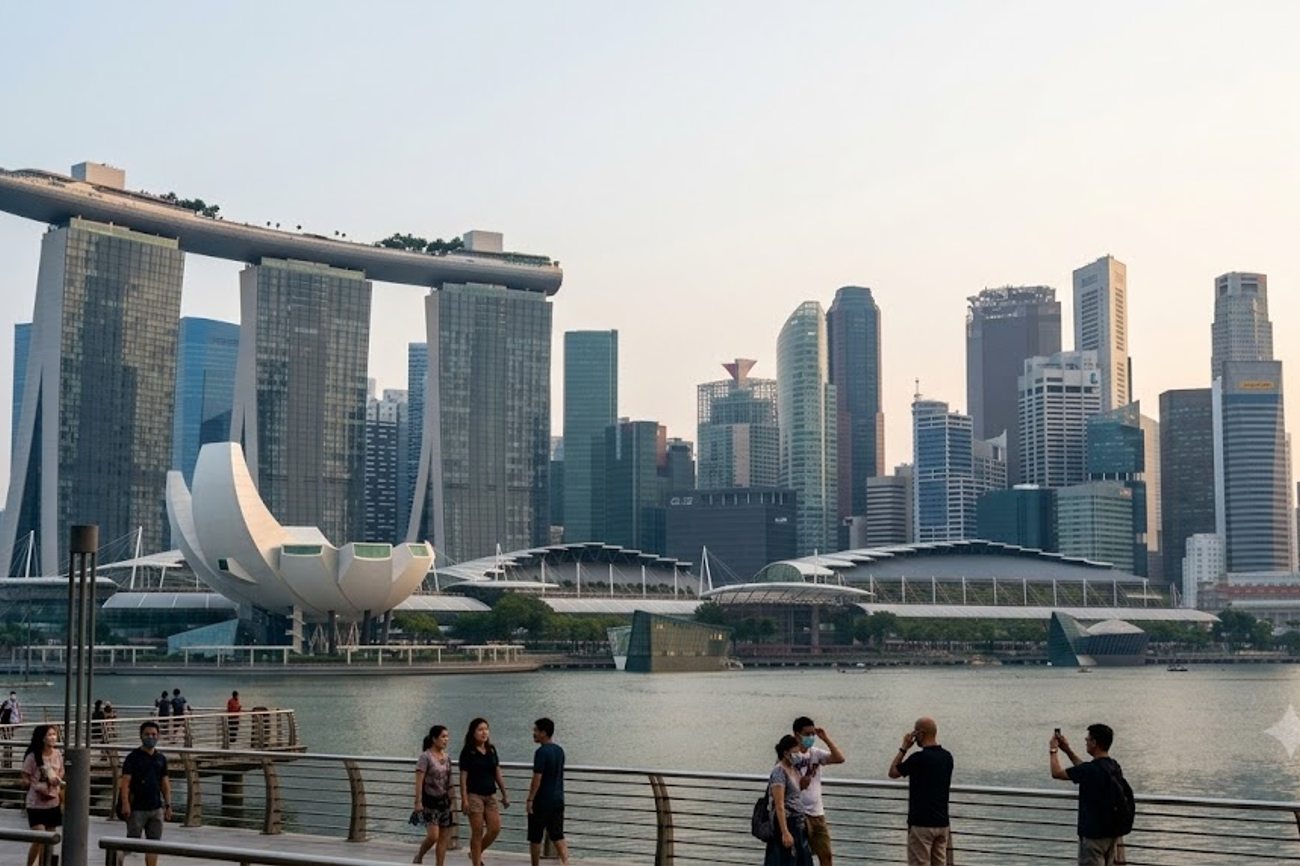
Image generated by AI
title: Navigating the Singapore Haze: A Local's Guide to Air Quality and Urban Exploration description: Expert insights on managing travel during Singapore's haze periods, focusing on health, indoor alternatives, and regional environmental context. tags: [Singapore Travel 2026, Singapore Haze Guide, Visit Singapore, Southeast Asia Air Quality]
The first time the 24-hour Pollutant Standards Index (PSI) hit 101 in the central region on 4 September 2026, it marked the first time since 8 October 2023 that Singapore's air quality officially entered the "Unhealthy" range. While many visitors assume a haze alert means a city-wide shutdown, the reality is a subtle shift in urban rhythm where the city continues to function, but the way you experience it must change.
The Shift in Singapore’s Urban Breath
Right now, Singapore is navigating a complex environmental challenge known as the Haze Alert Crisis. This isn't a local pollution issue caused by city traffic, but a regional atmospheric event. Smoke from forest and land fires in Kalimantan and southern Sumatra is carried across the border by east-southeast winds, blanketing the city-state in a fine, grey veil.
By 6pm on 14 September, the 24-hour PSI readings were fluctuating between 88 and 117. To put that in perspective, Singapore defines "Good" air as 0 to 50, and "Moderate" as 51 to 100. Once you cross that 101 threshold, you are in the "Unhealthy" band. For the seasoned traveler, this means the city doesn't stop, but your itinerary should. One-hour PM2.5 concentrations—particles measuring 2.5 micrometres or less—have reached between 56 and 115 micrograms per cubic metre, placing immediate conditions in the "Elevated" band. These microscopic particles are the real concern because they bypass the body's natural filters and travel deep into the lungs.
Despite the atmospheric gloom, the infrastructure remains rock solid. There have been no haze-related airport closures, no border restrictions, and no changes to visa or passport requirements. The city is open; it is simply breathing heavier.
What Makes the Singapore Experience Different During Haze
Visiting Singapore during a haze event transforms the trip from an outdoor adventure into an indoor odyssey. Normally, the draw is the "City in a Nature" concept—the massive green lungs of the city. However, when the PSI enters the Unhealthy range, the priority shifts from the botanical to the architectural.
The uniqueness of Singapore's response lies in its coordination. When the Unhealthy threshold is crossed, a synchronized plan involving 28 public agencies is activated. This isn't just about health warnings; it affects how workplaces, schools, and transport hubs operate. For a visitor, this means you will notice a surge in the use of indoor spaces. The city's world-class malls, underground links, and climate-controlled galleries become the primary arteries of movement.
The environmental phenomenon is driven by a perfect storm of dry regional conditions and wind patterns. While local showers occasionally provide a brief respite by washing particles out of the air, they are temporary fixes. The smoke plumes from Kalimantan and Sumatra are too vast to be cleared by a few tropical thunderstorms. This creates a strange visual contrast: a city of gleaming skyscrapers viewed through a muted, sepia-toned filter.
Visitor Insider Tips
When the haze hits, you cannot rely on a generic itinerary. You have to pivot your strategy to avoid unnecessary exposure while still seeing the best of the city.
Timing Your Outings Check the National Environment Agency (NEA) daily. Use the one-hour PM2.5 readings for immediate decisions—like whether to take a walk to dinner—and the 24-hour PSI forecast to plan your next day. If the forecast is "Mid Unhealthy," move your outdoor activities to the early morning when air can sometimes be slightly clearer, or stick to indoor venues.
The "Indoor Pivot" Strategy Instead of the Botanic Gardens or the Southern Ridges, head to the Gardens by the Bay cooled conservatories. The Cloud Forest and Flower Dome provide the greenery you crave without the PM2.5 exposure. For culture, swap the street markets for the National Gallery or the ArtScience Museum.
Health Etiquette and Gear If you are in a high-risk group—older adults, pregnant women, or those with asthma—minimize all outdoor exertion. Keep your inhalers and prescribed medications on hand. For the general population, reducing strenuous activity like jogging or long heritage walks is the local norm during these periods. If you feel a scratchy throat or eye irritation, move indoors immediately.
Transport Hacks Avoid open-air ride-sharing or walking long distances. Use the MRT (Mass Rapid Transit) system, which is almost entirely enclosed and air-filtered. When using taxis, ensure the air conditioning is set to recirculate to keep external smoke out of the cabin.
Cultural and Environmental Context
The haze is more than a weather event; it is a geopolitical and environmental flashpoint. The smoke originates from "hotspots" in Indonesia, often linked to land-clearing practices for agriculture. This creates a recurring tension between the need for economic development in Kalimantan and Sumatra and the public health requirements of Singapore and Malaysia.
Tourism in Singapore is heavily invested in the "Green City" image. When the haze arrives, it challenges this narrative, forcing a conversation about regional sustainability and the interconnectedness of Southeast Asian ecosystems. The government's response—activating 28 agencies—shows how deeply the state views air quality as a matter of national security and public health.
For the traveler, understanding this context is vital. The haze isn't a "failure" of Singapore's city planning, but a symptom of regional land-use challenges. By adjusting your travel habits, you are participating in a local rhythm of resilience. You'll see locals wearing N95 masks and shifting their social lives indoors, a collective adaptation to an environmental reality that returns periodically.
FAQ: Visiting Singapore 2026
What is the best time to visit to avoid the haze? While the haze can occur anytime, it is most common during the dry season when regional forest fires increase. Monitoring the Visit Singapore portal for seasonal alerts is recommended, though the most accurate data comes from the NEA.
Do I need a different visa or passport due to the haze crisis? No. There have been no haze-related changes to immigration rules, visa requirements, or passport protocols. Standard entry requirements for Singapore remain in effect.
Is it safe for solo travelers or those with medical conditions? Yes, but those with chronic lung or heart conditions should avoid prolonged outdoor activity when the PSI is "Unhealthy." Singapore has world-class medical facilities, but preventative care and limiting exposure are the primary recommendations.
How do I get to the city center from Changi Airport during haze? The airport remains fully operational. The most efficient and filtered way to reach the city is via the MRT or an air-conditioned taxi. Avoid open-air shuttles or long walks between terminals and transport hubs.
When the sky turns grey, the city turns inward—discover the brilliance of Singapore's indoor architecture while the winds shift.
Related Travel Guides
- Thailand Along With Singapore and More Asian Countries Transform Luxury Hotels with Brain Health Infrastructure to Accelerate Medical Tourism
- Dubai Etihad Rail Station in Meydan to Transform UAE Travel With Future Gold Line Metro Connection
- UAE Set to See New Tourism Boost as Dubai Safari Park Unveils Wildlife Experiences and Royal Adventures
Disclaimer
This article is for informational and educational purposes only. It does not constitute legal, financial, or professional advice. While we strive to provide accurate and up-to-date information, travel policies, regulations, and conditions change rapidly. Always verify information with official sources before making travel decisions. Nomad Lawyer makes no representations about the accuracy, reliability, completeness, or suitability of the information provided. Readers should consult qualified professionals for advice specific to their circumstances. The views expressed in this article are those of the author and do not necessarily reflect the views of Nomad Lawyer.
Naina Thakur
Contributor & Travel Specialist
Travel enthusiast and legal writer covering visa regulations, responsible tourism, and cultural journeys across global destinations.
Learn more about our team →