
Singapore Cruise Travel Is Now Set To Unlock Luxury Cruise Value On More Global Voyages In September 2026
Singapore Cruise Travel Is Now Set To Unlock Luxury Cruise Value On More Global Voyages In September 2026

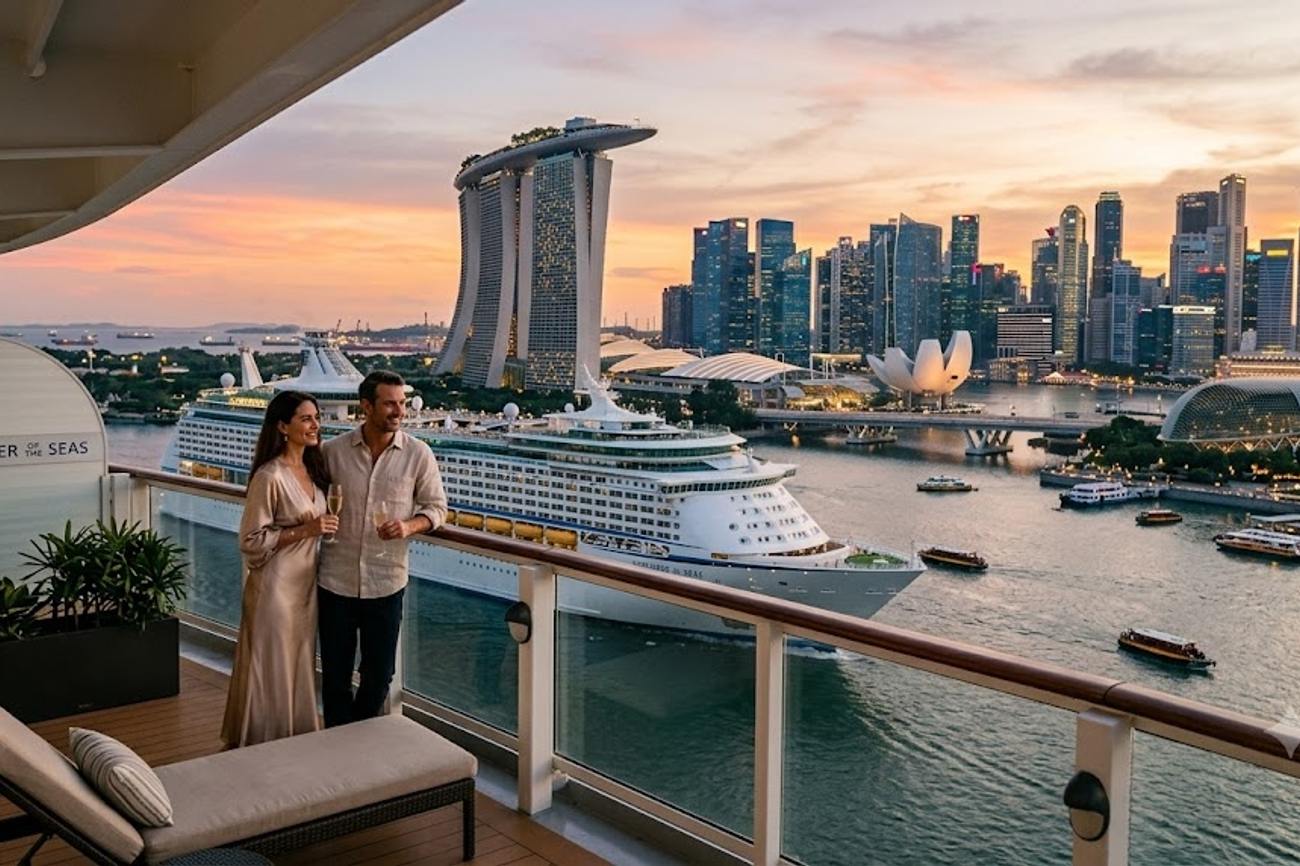
Image generated by AI
[Singapore, September 13, 2026] — Singapore has solidified its position as the primary luxury cruise gateway for Southeast Asia, leveraging a massive expansion in terminal capacity and a surge in passenger throughput that exceeded two million movements in 2025. The city-state is now utilizing this infrastructure to unlock higher value from global voyages as it enters the final quarter of 2026.
The current growth trajectory is supported by data released by the Singapore Tourism Board, which confirms that the hub is capturing a dominant 48% share of the regional cruise market. This dominance is fueled by a strategic shift toward "homeporting"—where ships use Singapore as their primary base of operations—rather than relying on brief port calls. This transition allows the city to capture higher tourism receipts from long-haul travelers who arrive via Changi Airport and stay in local hotels before or after their voyages.
Infrastructure Expansion and Port Volume
The surge in capacity is the direct result of a S$40 million investment in the city's primary cruise terminal. This expansion has fundamentally altered the port's ability to handle high-density passenger flows, increasing the terminal's capacity from 6,800 to 11,700 passengers. This represents a 72.1% increase in handling capability, adding 4,900 available spaces to the facility.
Current operations are split across two main terminals, each equipped with two berths:
- HarbourFront Terminal: Focused on regional ferry connectivity and proximity to visitor districts.
- Marina Bay Terminal: Designed for large, ocean-going luxury vessels with direct access to the city center.
The increased physical capacity is matched by rising traffic. Official figures from February 2026 reveal that Singapore recorded 375 cruise ship calls throughout 2025, a 10% increase over 2024. Passenger throughput—which includes all movements through the terminals—grew by 9%, surpassing the two-million mark.
Market Reach and Economic Impact
The growth in cruise activity mirrors a broader recovery in Singapore's general tourism sector. In 2025, the nation welcomed 16.9 million international arrivals, a 2.3% increase from the previous year. This provides a massive feeder market for cruise lines, particularly from the following top five source markets:
| Market | Visitor Count (2025) | Percentage of Total |
|---|---|---|
| Mainland China | 3.1 Million | 18.3% |
| Indonesia | 2.4 Million | 14.2% |
| Malaysia | 1.3 Million | 6.8% |
| Australia | 1.3 Million | 6.8% |
| India | 1.2 Million | 7.1% |
These five nations account for approximately 55% of all international arrivals. The financial impact of this recovery is evident in tourism receipts, which hit S$23.9 billion between January and September 2025—the highest recorded amount for that specific nine-month window, representing a 6.5% increase over 2024.
On a regional scale, the economic weight of cruising is substantial. An April 2026 assessment indicates that Southeast Asian cruising generated US$10 billion (S$12.9 billion) in total economic output during 2024. This regional activity accounts for 5% of the global cruise industry's total output and contributed US$4.5 billion (S$5.8 billion) to the regional GDP.
What This Means for Travelers
For passengers booking voyages in late 2026, the expanded infrastructure translates to a more streamlined transition between air and sea travel. The increased capacity at the Marina Bay terminal is designed to reduce the bottlenecks typically associated with the embarkation of mega-ships. However, travelers should be aware that "capacity" does not equate to "instant clearance"; processing times remain dependent on immigration, security, and baggage handling efficiency.
The emphasis on homeporting means travelers will find more "round-trip" itineraries starting and ending in Singapore. This eliminates the need for expensive one-way flights or complex multi-city bookings. Additionally, the integration with the wider tourism economy means luxury cruise passengers are increasingly encouraged to utilize pre-cruise hotel packages and retail services in the city center.
2026 Projections and Future Outlook
The Singaporean government and tourism authorities are projecting a continued upward trend for the remainder of the year. Official forecasts for full-year 2026 place international visitor arrivals between 17 million and 18 million.
The focus for the coming months is the conversion of general tourism growth into "luxury value." While official statistics do not yet separate luxury passengers from the general cruise population, the increase in tourism receipts suggests that higher-spending demographics are returning to the region. The goal is to leverage the 48% regional market share to attract more high-end, long-haul voyages that utilize Singapore as a luxury hub for Southeast Asian exploration.
The continued success of this model depends on the ability of the Maritime and Port Authority of Singapore (MPA) to maintain efficient berth rotations and ensure that the increased throughput does not lead to terminal congestion during peak holiday windows.
FAQ: Singapore Cruise Travel 2026
How has the terminal capacity changed for 2026? A S$40 million expansion increased the main terminal's capacity from 6,800 to 11,700 passengers, a growth of roughly 72.1%. This allows the port to handle significantly larger vessels and more simultaneous embarkations.
Which countries are the primary sources of cruise passengers in Singapore? The largest visitor markets are Mainland China (3.1 million), Indonesia (2.4 million), Malaysia (1.3 million), Australia (1.3 million), and India (1.2 million). These five markets drive over half of the total arrivals.
What is the difference between a "homeport" and a "port call"? A homeport is the starting and ending point of a voyage, encouraging passengers to stay in hotels and spend more locally. A port call is a brief stop during a longer journey, resulting in lower local economic impact.
What was the economic impact of cruising in Southeast Asia in 2024? The regional sector generated US$10 billion in total economic output, which represents approximately 5% of the global cruise industry's total output.
Singapore continues to pivot from a simple stopover to a high-value luxury maritime anchor.
#SingaporeCruise2026 #MarinaBayCruiseCentre #STB #SoutheastAsiaCruising #MaritimeSingapore #LuxuryTravel2026
Related Travel Guides
- Trinidad and Tobago Cruise Surge: Port of Spain and Scarborough Shore-Side Visitor Guide
- Swiss Shipping Group Acquires 300-Passenger Golden Horizon Sailing Ship from Brodosplit for €110 Million in Croatia
- Singapore Cruise Terminal Expansion and Fly-Cruise Logistics Power Southeast Asia's 2 Million Passenger Market Growth
Disclaimer
This article is for informational and educational purposes only. It does not constitute legal, financial, or professional advice. While we strive to provide accurate and up-to-date information, travel policies, regulations, and conditions change rapidly. Always verify information with official sources before making travel decisions. Nomad Lawyer makes no representations about the accuracy, reliability, completeness, or suitability of the information provided. Readers should consult qualified professionals for advice specific to their circumstances. The views expressed in this article are those of the author and do not necessarily reflect the views of Nomad Lawyer.
Kunal K Choudhary
Co-Founder & Contributor
A passionate traveller and tech enthusiast. Kunal contributes to the vision and growth of Nomad Lawyer, bringing fresh perspectives and driving the community forward.
Learn more about our team →