
Singapore Delays Aviation Carbon Charges: What Travelers Need to Know
Singapore pushes back environmental aviation charges to 2026 amid Middle East geopolitical uncertainty. Regional carriers across Indonesia, Malaysia, and Thailand face cost restructuring affecting ticket prices and long-haul flight availability.

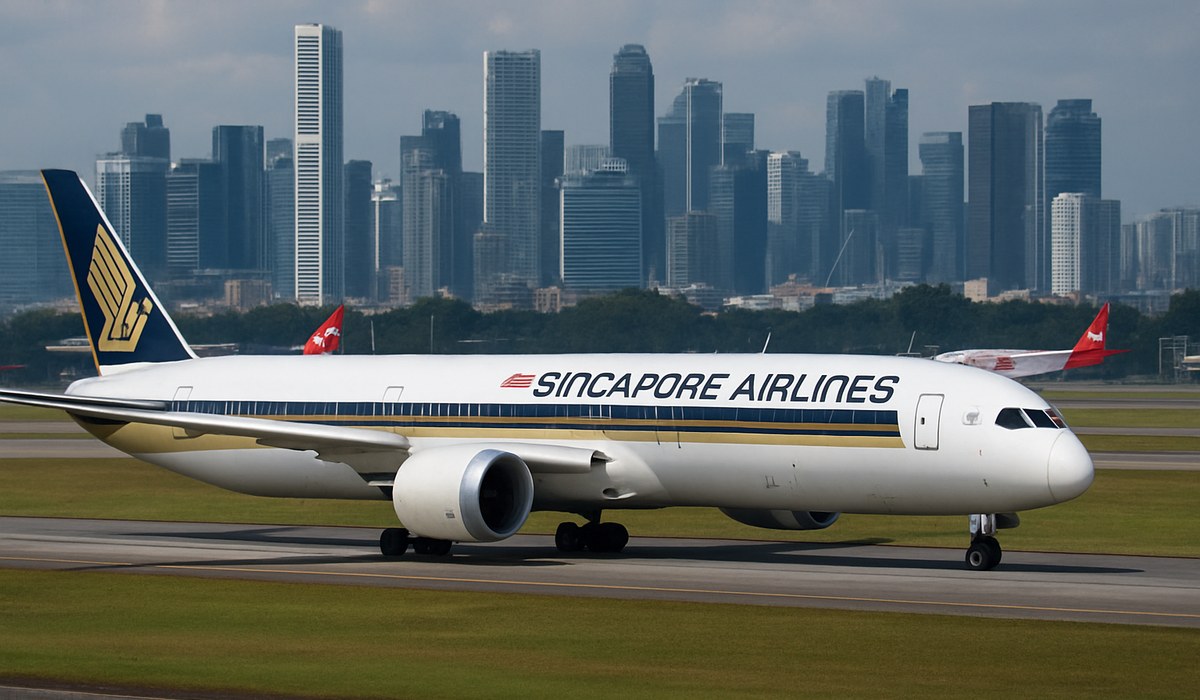
Image generated by AI
Singapore Postpones Green Aviation Fee Implementation as Regional Uncertainty Mounts
Singapore's Civil Aviation Authority announced a significant delay to its environmental aviation sustainability surcharge program on March 27, 2026, deferring implementation to address geopolitical volatility in the Middle East and cascading economic pressures across Southeast Asia's aviation sector.
The postponement directly impacts carriers operating from Changi Airport (SIN/WSSS), including Singapore Airlines, Scoot, Silk Air, and regional partners across the Bangkok Airways, Garuda Indonesia, and Malaysia Airlines networks. The decision affects an estimated 2.8 million quarterly passengers routing through Singapore's hub during Q2 2026.
Why Singapore Pushed Back the Environmental Charge
Regional aviation authorities cited three primary factors driving the delay:
Geopolitical Instability in the Middle East Ongoing tensions in the Middle East have created unpredictable fuel surcharges, forcing airlines to absorb unexpected operational costs. New environmental fees would compound financial pressure on carriers already managing volatile jet fuel markets and longer flight paths around contested airspace.
Cross-Border Economic Pressure Indonesia's flag carrier Garuda Indonesia, Malaysian-based AirAsia, and Thai Airways International collectively opposed the fee's original Q1 2026 timeline, citing reduced demand in regional markets. The three nations lobbied Singapore's transport ministry for a six-month reprieve.
Long-Haul Route Competitiveness Airlines serving ultra-long-haul routes (Singapore to London, New York, Sydney) warned the surcharge would push ticket prices to uncompetitive levels compared with Middle Eastern hubs (Dubai, Doha, Abu Dhabi), potentially redirecting passenger traffic away from Changi.
Airlines and Routes Affected by the Delay
Primary Carriers Impacted
| Airline | Hub/Base | Regional Routes | Long-Haul Affected |
|---|---|---|---|
| Singapore Airlines (SQ) | SIN | SQ→BKK, KUL, CGK | SQ→LHR, JFK, SYD |
| Scoot (TZ) | SIN | TZ→DMK, PEN, SGN | TZ→LAX, AUS |
| Silk Air (MI) | SIN | MI→HAN, DPS, CTS | Regional focus |
| Thai Airways (TG) | BKK | TG→SIN, KUL, CGK | TG→LON, PAR, FRA |
| AirAsia (AK) | KUL | AK→SIN, BKK, DMK | AK→LHR, DXB |
| Garuda Indonesia (GA) | CGK | GA→SIN, BKK, KUL | GA→AMS, NRT |
Affected Airport Codes:
- SIN (Singapore Changi) – Primary hub
- BKK (Bangkok Suvarnabhumi) – Regional distribution
- KUL (Kuala Lumpur International) – Malaysia Airlines/AirAsia focus
- CGK (Jakarta Soekarno-Hatta) – Garuda Indonesia operations
- HAN, SGN, DMK – Intra-regional routes
Real-Time Flight Status & Booking Updates
Travelers booked on affected routes should monitor flight schedules via FlightAware for any schedule adjustments as airlines refactor Q2 2026 capacity. While the postponement does not immediately trigger cancellations, carriers may optimize fleet deployment.
Recommended Actions:
- Check airline websites for updated fuel surcharge policies (effective date now TBD beyond 2026)
- Verify baggage allowances, which may shift if airlines consolidate regional flights
- Monitor IATA announcements for formal cost-recovery guidance
How This Affects Ticket Prices & Availability
Short-Term Impact (April–June 2026): Without the surcharge going live, fares to regional destinations (Singapore–Bangkok, Singapore–Kuala Lumpur) may stabilize or moderately decrease as carriers pass savings to consumers. Long-haul international routes remain subject to fuel hedging and demand fluctuations.
Medium-Term Consideration (July 2026+): Once implemented, the environmental charge is expected to add $8–15 USD per short-haul segment and $25–50 USD per long-haul booking, depending on aircraft type and distance. Budget carriers like Scoot and AirAsia will likely pass 100% of fees to passengers, while full-service carriers may absorb partial costs.
Traveler Action Checklist
-
Verify your booking – Log into your airline account (Singapore Airlines, AirAsia, Thai Airways) to confirm Q2 2026 reservations are not auto-cancelled; call customer service if unclear.
-
Check fuel surcharges – Review your ticket breakdown; the delayed environmental fee should not appear on bookings through mid-2026 pending updated timelines.
-
Monitor IATA compliance updates – Subscribe to IATA's aviation news feed to track when Singapore formally re-announces the charge implementation date.
-
Review airline refund policies – If you're traveling in the next 60 days, document your booking confirmation in case policy changes occur; check US DOT's consumer protections for international route guidance.
-
Compare connecting hubs – If booking long-haul via Singapore, compare fares routing through Kuala Lumpur (KUL) or Bangkok (BKK) as interim alternatives, as those hubs face different fee timelines.
-
Lock in fares early – With uncertainty around future pricing, booking 4–6 weeks in advance reduces exposure to unexpected surcharge additions.
-
Contact your travel agent – If booked through an agent, request written confirmation of any fee changes and cancellation windows.
Regional Economic Ripple Effects
The delay underscores deeper fragility in Southeast Asian aviation economics. Rising geopolitical tensions have already increased operational costs by 12–18% across Indonesian, Malaysian, and Thai carriers year-over-year. Airlines operating from smaller hubs (Penang, Chiang Mai, Yogyakarta) depend on Changi as a connecting point; any additional fees threaten their profitability.
Indonesia's tourism ministry warned that increased international airfare costs would suppress visitor arrivals, with preliminary 2026 forecasts now revised downward by 6–9% for the April–September peak season.
What's the Timeline for the Rescheduled Fee?
Singapore's transport minister committed to announcing the new implementation date by May 31, 2026, with industry consultation completed by June 15, 2026. Airlines expect formal adoption in Q3 2026 (July–September), though a Q4 2026 push remains possible if Middle East tensions escalate further.
Frequently Asked Questions
Q: Will my ticket price increase immediately? A: No. The fee remains postponed. Existing bookings through June 2026 are unaffected. New surcharges apply only after Singapore announces a firm implementation date.
Q: Which airlines are most likely to absorb vs. pass on the fee? A: Budget carriers (Scoot, AirAsia) will pass 100% to passengers. Singapore Airlines and Thai Airways historically absorb 30–40% in full-service pricing; Garuda Indonesia will likely pass full costs due to tighter margins.
Q: How will the fee affect low-cost airline pricing? A: Scoot and AirAsia competitors will adjust base fares downward initially to remain competitive, then add the environmental surcharge separately—making total costs less transparent.
Q: Are there loopholes to avoid the charge? A: The fee applies to all departures from Singapore, regardless of airline. Routing via Kuala Lumpur or Bangkok may avoid it, but longer travel times offset savings.
Q: What happens to carbon offset programs airlines advertise? A: Airlines will likely rebrand the environmental charge as part of their decarbonization pledges, though IATA has not yet clarified whether the fee counts toward "sustainable aviation fuel" commitments.
Bottom Line for Travelers
The six-month postponement of Singapore's environmental aviation surcharge provides a narrow window for budget-conscious travelers to book regional and long-haul flights at current price points. Monitor airline websites and IATA announcements closely for the rescheduled implementation date, expected by mid-2026. Regional carriers in Indonesia, Malaysia, and Thailand face unprecedented cost pressures; travelers should expect moderately higher fares by autumn 2026 regardless of geopolitical developments.
Book now if traveling May–August 2026 to lock in pre-surcharge pricing.
Last updated: March 27, 2026. For real-time flight tracking, visit FlightAware. For consumer protections on international routes, consult the US Department of Transportation.
Disclaimer
This article is for informational and educational purposes only. It does not constitute legal, financial, or professional advice. While we strive to provide accurate and up-to-date information, travel policies, regulations, and conditions change rapidly. Always verify information with official sources before making travel decisions. Nomad Lawyer makes no representations about the accuracy, reliability, completeness, or suitability of the information provided. Readers should consult qualified professionals for advice specific to their circumstances. The views expressed in this article are those of the author and do not necessarily reflect the views of Nomad Lawyer.
Preeti Gunjan
Contributor & Community Manager
A passionate traveller and community builder. Preeti helps grow the Nomad Lawyer community, fostering engagement and bringing the reader experience to life.
Learn more about our team →