
Singapore Airlines Business Class Pricing: Premium Economy Value Analysis 2026
Singapore Airlines' premium economy cabin commands luxury pricing but sits awkwardly between economy and business. We analyze whether 2026 fares justify the cost gap.

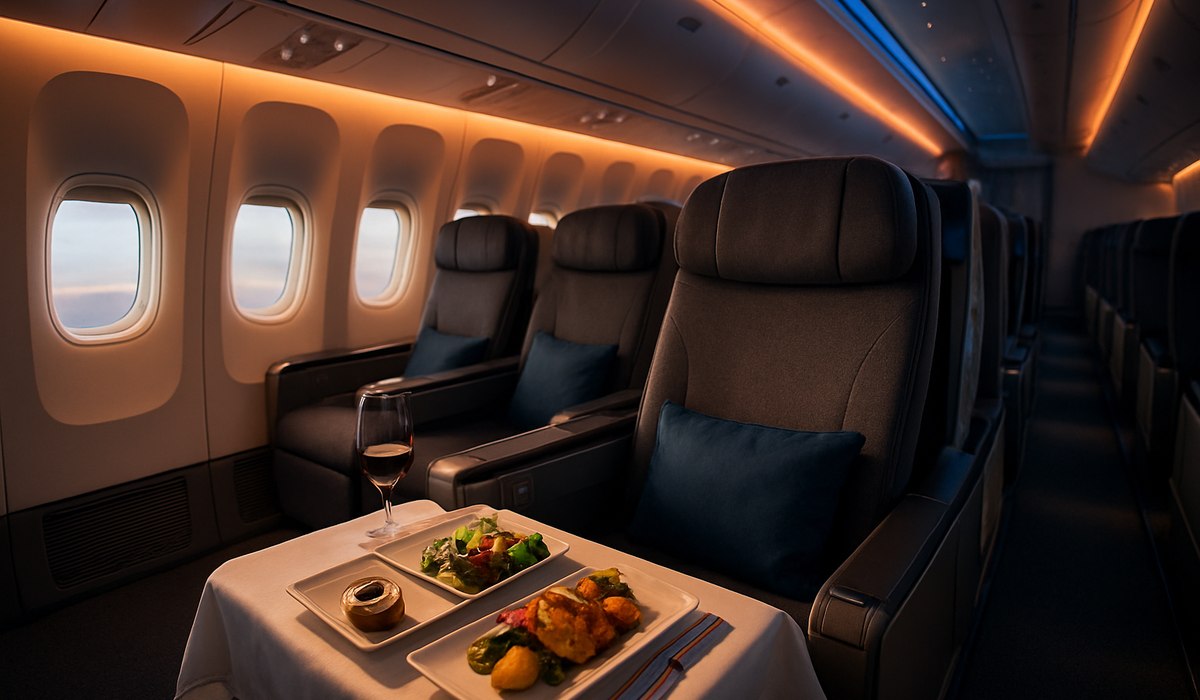
Image generated by AI
Singapore Airlines' Premium Economy Pricing Puzzle: Does the Cabin Justify the Cost?
Singapore Airlines continues to operate one of the most acclaimed premium economy products globally, yet its cabin positioning creates a persistent valuation dilemma. The carrier's tiered pricing structure leaves travelers questioning whether the premium economy fare—substantially higher than economy but considerably lower than business class—delivers proportional comfort and amenities. This 2026 analysis examines where airlines Singapore business pricing makes sense and where it simply doesn't.
The premium economy cabin aboard Singapore Airlines long-haul aircraft represents genuine product differentiation. However, the pricing strategy creates a gray zone for cost-conscious premium travelers. Understanding what separates each cabin tier is essential before committing to any fare level.
What Singapore Airlines Premium Economy Includes
Singapore Airlines' premium economy cabin delivers tangible upgrades across multiple dimensions. Passengers receive 38-inch seat pitch compared to economy's 31 inches, translating to substantially more legroom. Seats recline to 7 inches and feature enhanced cushioning with memory foam technology specifically developed for long-haul comfort.
Culinary service distinguishes the cabin significantly. Premium economy passengers select meals from a curated menu rather than receiving standard economy offerings. The airline provides premium wine selections, featuring bottles from established vineyards across Europe and Asia-Pacific regions.
Entertainment systems include larger personal screens with enhanced content libraries. Baggage allowances increase to two checked bags weighing 23 kilograms each, plus an oversized personal item. Ground amenities include priority boarding, dedicated airport lounges on select routes, and fast-track immigration processing at partner airports.
Bedding upgrades include Givenchy amenity kits containing premium skincare products. Blankets feature elevated thread counts, and pillows provide superior neck support. The cabin also provides noise-canceling headphones manufactured by an established audio brand, reducing engine noise during sleep periods.
Amenity kits vary by route but typically include moisturizer, lip balm, eye masks, and earplugs. Premium economy passengers receive complimentary shower facilities in transit lounges on ultra-long-haul connections exceeding 12 hours.
Premium Economy vs. Economy: The Price Premium Breakdown
The financial gap between economy and premium economy on Singapore Airlines routes demands scrutiny. On flagship routes like Singapore to London, premium economy fares typically command 40-65% premiums over economy pricing during peak travel seasons.
A sample economy roundtrip ticket might cost $1,200-1,500 during shoulder seasons. The identical routing in premium economy ranges from $1,800-2,400, creating a premium of $600-900 per passenger roundtrip. This percentage varies based on booking timing, route demand, and seasonal fluctuations.
Breaking down the premium economically reveals variable value perception. The seat pitch improvement alone—seven additional inches—costs approximately $150-200 per roundtrip. Meal service upgrades justify $100-150 of the premium. Baggage allowance increases contribute $50-75 in tangible value. Lounge access on select routes adds $200-300 depending on airport facility quality.
This accounting reveals approximately $500-725 in direct service improvements. The remaining $75-175 represents brand positioning and capacity management. Airlines deliberately price premium economy above a pure cost-plus basis to encourage business class consideration while managing cabin density.
The premium economy pricing puzzle intensifies when comparing advance bookings versus last-minute purchases. Early bookings sometimes reduce the economy-premium gap to just 20-25%, dramatically improving premium economy value. Conversely, last-minute premium economy fares can exceed 80% premiums, rendering the cabin economically questionable.
Premium Economy vs. Business Class: Where Value Disappears
The chasm separating premium economy from business class creates the most revealing pricing analysis. Singapore Airlines business class fares on identical routes typically cost 2-3 times premium economy pricing, not 40-60% more.
A business class ticket on the Singapore-London route ranges from $4,500-6,500 roundtrip depending on seasonality. This represents a 150-200% premium above premium economy fares, not a modest increment matching the cabin improvements.
Business class delivers quantifiable advantages justifying portions of this differential. Lie-flat beds spanning 6.5 feet provide genuine sleeping capability, whereas premium economy seats recline only partially. Direct aisle access on many aircraft configurations eliminates middle-seat concerns. Onboard shower spas on superjumbo aircraft offer luxury amenities absent entirely from premium cabins below.
Dining in business class features multi-course menus with Michelin-trained chefs designing service presentations. Passengers select from premium wine collections worth thousands per bottle. Caviar, foie gras, and other luxury ingredients appear regularly on menus. Premium economy offers quality meal service but fundamentally different in scope and ingredient caliber.
Ground service disparities amplify the value proposition. Business class passengers access private lounges with dedicated shower facilities, spa services, and personal concierge assistance. Premium economy lounge access—where available—provides standard amenities without personalization. Business class ground handling includes limousine transfers at origin and destination airports.
However, pricing analysis reveals diminishing returns. The jump from premium economy to business class costs roughly 100% more but delivers approximately 40-50% additional objective value. Business class justifies premium positioning through status signaling, privacy enhancement, and work environment capability rather than pure comfort multiplication.
Airlines employ psychological pricing deliberately. The premium economy tier creates aspirational positioning—luxury enough to feel special yet expensive enough to encourage business class trading up for marginal additional investment on expensive long-haul routes.
When Premium Economy Makes Financial Sense
Strategic scenarios favor premium economy selection despite the pricing premium. International business travelers on extended trips benefit disproportionately from premium economy economy sleep improvement without full business class expense. A traveler flying economy long-haul faces two nights of compromised sleep; premium economy reduces sleep quality degradation significantly.
Couples and small family groups derive multiplied value from premium economy's improved spaces. Parent-child pairs appreciate the enhanced seat width and personal space, reducing cabin stress across multiple passengers. Two premium economy tickets often cost less than one business class and one economy combination.
Long-haul itineraries exceeding eight hours justify premium economy more convincingly than short-haul flights. Singapore-Sydney routes (approximately 6.5 hours) barely justify premium economy pricing. Conversely, Singapore-Newark routes (approximately 18 hours) create compelling premium economy cases.
Frequent flyer members utilizing promotional upgrades or airline miles enjoy premium economy at effective economy prices. This scenario eliminates the premium cost differential entirely, making premium economy universally logical under these circumstances.
Route-specific factors influence value calculation. Congested economy cabins on popular business routes create disproportionate discomfort, enhancing premium economy's relative appeal. Less popular routes with lower economy occupancy reduce premium economy's justified premium.
Corporate policies increasingly permit premium economy as cost-neutral with business class on eligible routes. Mid-level managers traveling frequently benefit from premium economy's business enablement without full luxury class expense. This positioning targets the $100,000-150,000 annual salary demographic.
Airlines Singapore Business Class Strategic Positioning
Singapore Airlines deliberately engineers pricing tiers to maximize cabin revenue across customer segments. The carrier's premium economy positioning competes with competitors' business class products on short-haul routes while establishing a stepping stone toward long-haul business class purchases.
The carrier's fleet composition influences premium economy availability and pricing. Airbus A380 aircraft feature extensively configured premium economy cabins generating substantial revenue per aircraft rotation. Boeing 777X aircraft similarly allocate significant capacity to premium economy, making it central to long-haul revenue strategy.
Competitive analysis reveals Singapore Airlines premium economy pricing tracks industry patterns closely. Competitors including Cathay Pacific, Japan Airlines, and ANA employ similar tiering philosophies. However, Singapore Airlines premium economy cabin quality consistently exceeds competitor offerings, potentially justifying higher pricing maintenance.
Comparative Cabin Analysis Table
| Metric | Economy | Premium Economy | Business Class | |--------|---------|
Disclaimer
This article is for informational and educational purposes only. It does not constitute legal, financial, or professional advice. While we strive to provide accurate and up-to-date information, travel policies, regulations, and conditions change rapidly. Always verify information with official sources before making travel decisions. Nomad Lawyer makes no representations about the accuracy, reliability, completeness, or suitability of the information provided. Readers should consult qualified professionals for advice specific to their circumstances. The views expressed in this article are those of the author and do not necessarily reflect the views of Nomad Lawyer.
Preeti Gunjan
Contributor & Community Manager
A passionate traveller and community builder. Preeti helps grow the Nomad Lawyer community, fostering engagement and bringing the reader experience to life.
Learn more about our team →