
Sikkim Adventure Tourism: 34 Youths Complete Rigorous Mountain Guide Training in Yuksom 2026

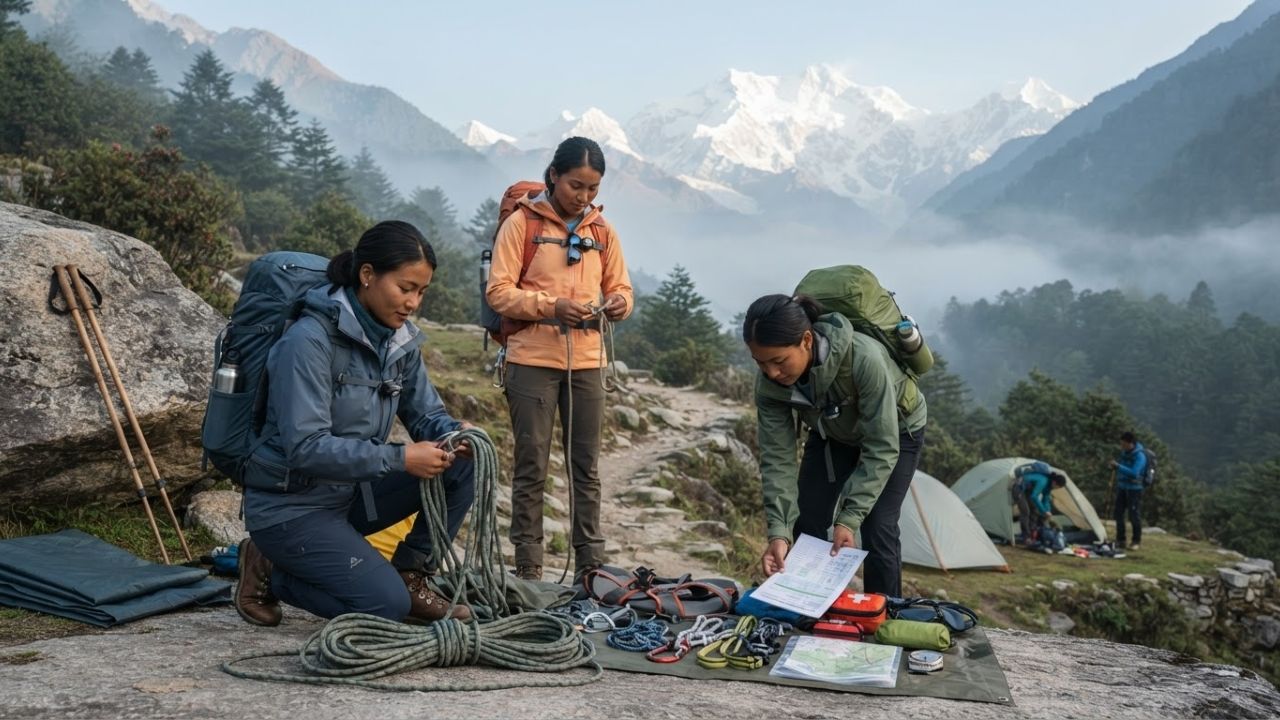
In a decisive step to elevate Himalayan adventure standards and empower mountain communities, 34 local youths from across Sikkim completed an intensive 20-day government-sponsored mountain guide course in Yuksom on 5 September 2026. Culminating in an expedition to Dzongri within Khangchendzonga National Park, this training creates certified local leaders skilled in alpine rescue, wilderness medicine, and sustainable ecotourism.
As international trekking demand surges across the Eastern Himalayas, the state government of Sikkim is transitioning its adventure tourism sector toward professional, community-led management. Rather than relying on non-local agencies, regional authorities are equipping indigenous youth with technical mountaineering certifications, rigorous emergency response skills, and strict conservation protocols.
Yuksom—the historic first capital of Sikkim and traditional trailhead for high-altitude expeditions—served as the operational base for the 20-day course from 17 August to 5 September 2026. By bridging classroom pedagogy with demanding high-altitude practice, the initiative ensures that future Himalayan expeditions operate with unmatched safety and ecological integrity.
The Local Trend Revealed: Professionalizing Himalayan Mountain Guiding
The curriculum departed sharply from traditional classroom seminars, plunging 34 trainees from across Sikkim's diverse districts into intensive field exercises. Guided by veteran mountaineers, the trainees mastered fundamental alpine skills designed to protect trekking groups across unpredictable mountain environments.
Core training modules encompassed:
- Technical Alpine Skills: Rigorous instruction in rock climbing, fixed-rope anchoring, multi-pitch ascents, and hazardous glacial river-crossing maneuvers.
- Campcraft and Group Logistics: Rapid tent pitching, low-impact camp site selection, and weather contingency planning.
- Emergency First Aid and Wilderness Evacuation: Immediate stabilization of altitude sickness (AMS, HAPE, HACE), hypothermia management, splinting, and stretcher construction in remote areas devoid of cellular reception.
- High-Altitude Field Exercise: A five-day expedition to Dzongri (4,030 meters) inside Khangchendzonga National Park, testing participants in real-world trail pacing, navigation, and client safety oversight.
| Program Dimension / Metric | Training Specification | Operational Value for Travelers |
|---|---|---|
| Cohort Size | 34 educated Sikkimese youths | Certified local talent replacing unregulated operators |
| Duration & Dates | 20 days (17 August – 5 September 2026) | Comprehensive multi-week theoretical and field regimen |
| Training Base | Yuksom, West Sikkim (Gyalshing District) | Historic Himalayan gateway and primary expedition trailhead |
| Field Expedition | 5-day high-altitude trek to Dzongri | Real-world trail management at 4,030 meters elevation |
| Environmental Modules | Ecotourism, Leave No Trace, zero-waste | Trail conservation within UNESCO Khangchendzonga park |
| Technical Demonstrations | Knots, rope work, belaying, river crossing | Verified emergency preparedness for technical trail hazards |
| Certification Outcome | Government-accredited guide credentials | Clear pathway toward mountain entrepreneurship |
Cultural & Environmental Value: Guardians of Sacred Himalayan Ecosystems
For the visitor, the real impact is trekking alongside indigenous guides who hold deep spiritual reverence and ecological responsibility for the sacred Khangchendzonga region. Recognized as a UNESCO World Heritage Mixed Site, Khangchendzonga National Park encompasses sacred peaks, glacial lakes, and dense rhododendron forests protected under indigenous Sikkimese tradition as Beyul—hidden sacred lands.
Professionalizing local guides guarantees that commercial trekking respects these cultural boundaries. Guides trained under this initiative actively enforce Sikkim’s strict environmental legislation, which bans single-use plastics and non-biodegradable waste on wilderness routes. Trainees learn comprehensive pack-it-in, pack-it-out waste auditing, preventing trail degradation along popular corridors between Yuksom, Bakhim, Tshoka, and Dzongri.
Economically, this program anchors tourism revenue firmly within mountain communities. By transforming youth into licensed guides and independent trekking entrepreneurs, expenditures from international climbers directly support local homestays, pack-animal cooperatives, and organic agricultural producers in West Sikkim, stemming rural outmigration.
Visitor Insider Tips: Trekking Dzongri and Western Sikkim
Travelers organizing a Himalayan trek through West Sikkim should take note of these essential recommendations:
- Optimal Trekking Windows: Plan your Dzongri and Goecha La treks during two distinct seasonal corridors: spring (April to mid-May) for blooming rhododendron forests and vibrant birdlife, or autumn (October to mid-November) for clear, crisp skies offering panoramic views of Mount Khangchendzonga (8,586m), Mount Pandim, and Kabru.
- Permit Logistics in Yuksom: Foreign nationals require an Inner Line Permit (ILP) / Restricted Area Permit (RAP) to enter Sikkim, followed by a Khangchendzonga National Park Wilderness Permit and mountaineering fee processed through the Forest Checkpost in Yuksom. Always verify that your trekking guide holds official state department credentials.
- Pacing and Acclimatization Rules: The ascent from Yuksom (1,780m) to Dzongri (4,030m) involves significant elevation gain over demanding terrain. Spend an extra acclimatization day at Tshoka (3,000m) before pushing toward the Dzongri ridge to minimize the risk of acute mountain sickness. Drink plenty of warm fluids and maintain a steady, measured hiking pace.
- Honor Local Sacred Mountain Etiquette: Khangchendzonga is worshiped as the protective guardian deity of Sikkim. Never leave litter near prayer flags, always walk clockwise (kora) around Buddhist chortens and mani stone walls, and refrain from loud disturbances or swimming in sacred alpine lakes like Samiti Lake.
- Taste Authentic Sikkimese Fuel: Before setting off, sample authentic local fare at Yuksom’s family eateries. Try hearty bowls of noodle soup (thukpa), steaming vegetable momos with fiery dalley chili paste, fermented leafy greens (gundruk), and a traditional bamboo flagon of warm fermented millet beer (tongba) on cold highland evenings.
Tourism Outlook: Sustainable Adventure Leadership in the Himalayas
Sikkim’s commitment to youth-centered adventure education establishes an exemplary model for Himalayan destinations. By equipping 34 young men and women with international-grade wilderness guiding, safety, and conservation competencies, the state ensures that growth in outdoor recreation does not come at the expense of environmental fragility or visitor security.
As global adventure travelers seek authentic, responsible wilderness journeys, Yuksom’s newly certified mountain guides stand ready to lead—safeguarding Sikkim's pristine alpine heritage while charting a prosperous, self-reliant economic path for the mountain state.
Related Travel Guides
Disclaimer
This article is for informational and educational purposes only. It does not constitute legal, financial, or professional advice. While we strive to provide accurate and up-to-date information, travel policies, regulations, and conditions change rapidly. Always verify information with official sources before making travel decisions. Nomad Lawyer makes no representations about the accuracy, reliability, completeness, or suitability of the information provided. Readers should consult qualified professionals for advice specific to their circumstances. The views expressed in this article are those of the author and do not necessarily reflect the views of Nomad Lawyer.
Raushan Kumar
Founder & Lead Developer
Full-stack developer with 11+ years of experience and a passionate traveller. Raushan built Nomad Lawyer from the ground up with a vision to create the best travel and law experience on the web.
Learn more about our team →