
Sicily Launches Costanza I Ferry Linking Porto Empedocle to Lampedusa
The launch of the €120 million Palermo-built ferry Costanza I di Sicilia marks a new era for year-round travel to Linosa and Lampedusa.
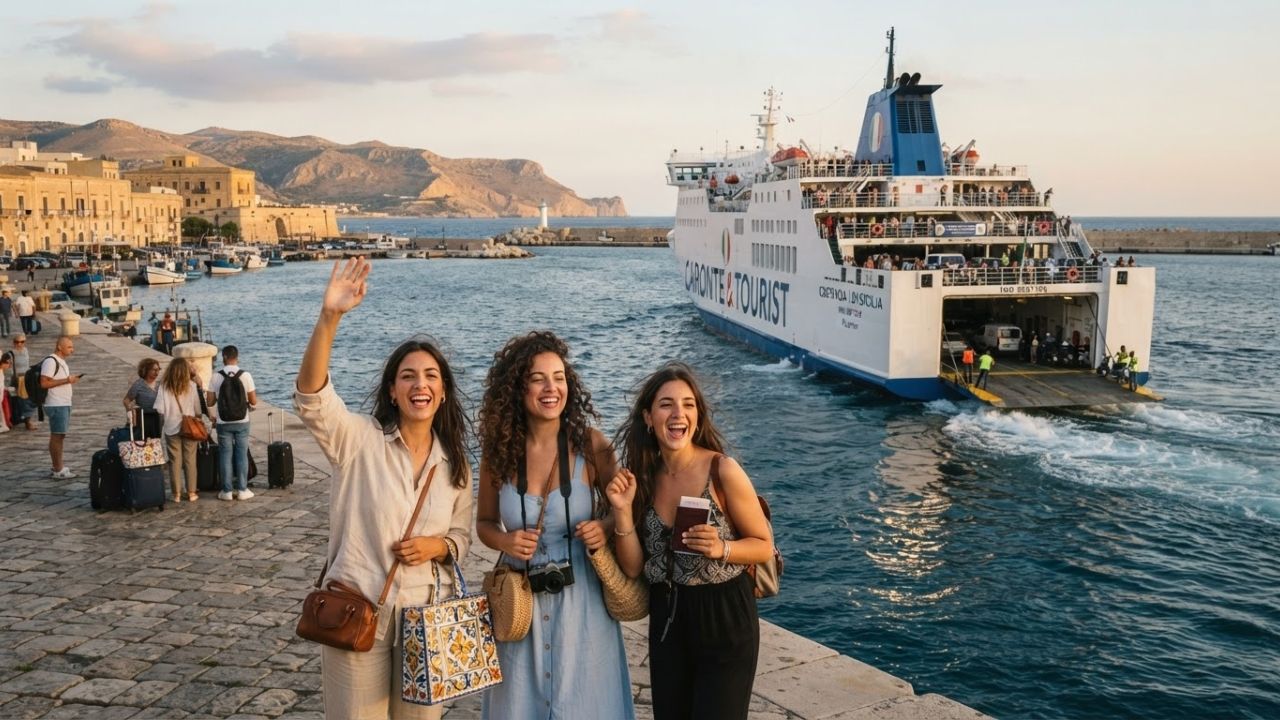
Image generated by AI
The launch of the €120 million Palermo-built ferry Costanza I di Sicilia on August 6, 2026, marks the first time the Sicilian Region has deployed a region-owned Ro-PAX Class A vessel to connect Porto Empedocle with Linosa and Lampedusa. Designed to accommodate 1,000 passengers and 200 vehicles, the modern ship represents a major infrastructure test for de-seasonalizing tourism in the remote Pelagie Islands.
Palermo Craftsmanship: A New Vessel for the Strait of Sicily
The regional maritime transport sector in southern Italy has reached a key milestone with the deployment of a new region-owned vessel. Constructed at Fincantieri's Palermo shipyard and delivered in the first half of 2026, the Costanza I di Sicilia is a Ro-PAX Class A ferry designed to manage mixed passenger and vehicle movements. The shipbuilding contract was originally awarded in 2023 for a base tender value approaching €120 million, and includes an option for a second vessel to expand the regional fleet.
The acquisition of the Costanza I is part of a broader structural shift where the public sector takes direct ownership of strategic transport assets rather than relying entirely on private concessionaires. This public-ownership model is intended to protect island residents from sudden service cuts during the off-peak months. By contracting Caronte & Tourist to operate the vessel, the region aims to guarantee daily service frequencies, providing a stable baseline for local commerce and tourism development.
The engineering of the Costanza I combines high transport capacity with environmental systems. Measuring about 140 meters in length and registering a gross tonnage of approximately 14,500 GT, the vessel features dual-fuel engines that run on diesel and liquefied natural gas (LNG), reducing emissions in the delicate Mediterranean marine environment. Photovoltaic solar panels and onboard battery storage allow the ferry to achieve zero-emission port operations for up to four hours during layovers. Fincantieri's Palermo shipyard employs over 500 direct workers and supports a regional supply chain exceeding 2,500 workers, demonstrating the economic impact of the shipbuilding project.
Ro-PAX Capabilities: Upgrading the Pelagie Corridor
The entry into service of the Costanza I on August 6, 2026, provides a substantial capacity upgrade for the Pelagie Islands route, which links Porto Empedocle on the mainland with Linosa and Lampedusa. The ferry has passenger capacity for up to 1,000 travelers and carries up to 200 vehicles, which allows visitors to bring cars, campers, or motorcycles to the islands for self-drive tours.
This vehicle capacity is particularly valuable for the logistics sector, as Ro-PAX ferries carry essential food supplies, medical goods, and construction materials to the islands alongside tourists. By facilitating the transport of heavy trucks and commercial vans, the vessel supports the local economy's supply chain, helping to reduce the cost of living for Linosa and Lampedusa residents. This dual-use capability makes the ship a vital asset for both regional development and passenger comfort.
The vessel offers 137 cabins, including dedicated cabins adapted for passengers with reduced mobility. The operating carrier, Caronte & Tourist, highlights that the crossing from Porto Empedocle to Lampedusa takes approximately 9 to 10 hours. While the new vessel features advanced stabilization systems designed to manage rough seas, the crossing remains subject to weather conditions in the Strait of Sicily. The travel trade must assess the vessel's reliability based on completed crossings during the autumn and winter months, as true de-seasonalisation requires dependable year-round transport.
Sicily's Policy Shift: De-seasonalizing Mediterranean Tourism
The investment in the regional ferry network aligns with Sicily's policy to distribute tourism throughout the calendar year, reducing overcrowding during the summer months of July and August.
Official tourism statistics from the Region of Sicily show a steady growth in arrivals. In 2024, the region recorded 22.421 million overnight stays and more than seven million arrivals, representing a 9.7 per cent increase in overnight stays compared with the 2023 results. Foreign visitor nights exceeded 12.832 million, with an average length of stay of 3.2 days. In 2025, arrivals grew by 2.8 per cent and overnight stays increased by 0.24 per cent, showing a transition toward sustainable growth. Lampedusa Airport recorded a 2.5 per cent increase in passenger traffic in 2025, while Palermo Airport grew by 3.4 per cent. Improved maritime transport is vital to support these visitor flows during the off-season.
Fleet Redundancy and Port Infrastructure Challenges
While the Costanza I provides a significant upgrade, the Pelagie route represents only the first phase of Sicily's regional fleet strategy. To achieve system resilience, the region must establish fleet redundancy.
Sicily's regional development program for 2026-2028 includes plans for a second Ro-PAX Class A vessel to serve the Trapani-Pantelleria corridor. In September 2024, the region authorized a €140 million financing request to secure this second unit under the Fincantieri contract option. In addition, the region is funding harbor upgrades to improve weather tolerance. These projects include reinforcing the Scauri port breakwater in Pantelleria to create an alternative berth for ferries, and upgrading the Molo Favaloro pier in Lampedusa. A complete transport network consisting of modern vessels, safe harbors, and mainland transit links is required to support tourism outside the summer season.
Visitor Guide: Local Cuisine, Navigating the Crossing, and Pelagie Exploration
Traveling to the Pelagie Islands during the transitional seasons involves understanding ferry scheduling, practicing reef conservation, and tasting local culinary traditions. By preparing in advance, travelers can plan a comfortable journey.
Sample local culinary specialties that showcase the culinary fusion of the Pelagie Islands. In Lampedusa, try traditional fish couscous, a local specialty that blends Sicilian fish broth with North African semolina, featuring fresh Mediterranean shrimp, mussels, and whitefish. In Linosa, try volcanic lentil soup, made with small, flavorful lentils cultivated in the island's mineral-rich soil. Pair these dishes with a glass of Colli di Luni Vermentino, a white wine produced in the coastal hills, known for its bright minerality.
Coordinate your travel bookings through Caronte & Tourist's official online portal, especially if you plan to transport a vehicle. If you require reduced-mobility assistance, submit your request to the ferry operator at least 48 hours before departure. Carry valid identification documents for all travelers, as boarding checks are mandatory.
Combine your island holiday with a land-based tour of western Sicily. Porto Empedocle is located near Agrigento, allowing travelers to visit the Valley of the Temples historic site before boarding the evening ferry to the Pelagie Islands. Pack layered clothing to accommodate windy conditions on the open deck, and secure a cabin from the 137 available options for comfortable overnight crossings.
Future Outlook: Rebuilding Resilient Island Connections
The future of tourism in the Pelagie Islands depends on maintaining reliable, year-round maritime access that supports local economies without damaging the environment. By operating dual-fuel vessels like the Costanza I, the region is reducing the environmental footprint of passenger transport.
Sustainable tourism initiatives are focused on protecting the marine reserves surrounding Lampedusa and Linosa, which are famous for loggerhead sea turtle nesting sites. Coordinating port developments with green shipping technology ensures that remote island communities remain connected to the Sicilian mainland, securing a sustainable future for local hospitality providers and travelers alike.
Related Travel Guides
Disclaimer
This article is for informational and educational purposes only. It does not constitute legal, financial, or professional advice. While we strive to provide accurate and up-to-date information, travel policies, regulations, and conditions change rapidly. Always verify information with official sources before making travel decisions. Nomad Lawyer makes no representations about the accuracy, reliability, completeness, or suitability of the information provided. Readers should consult qualified professionals for advice specific to their circumstances. The views expressed in this article are those of the author and do not necessarily reflect the views of Nomad Lawyer.