
Severe Winter Weather Paralyses Canada's Air Travel Network
Severe late-season winter weather has paralysed Canada's aviation system, with over 400 flights delayed and 80+ cancelled across major hubs on April 5-6, 2026, stranding thousands of spring travelers.

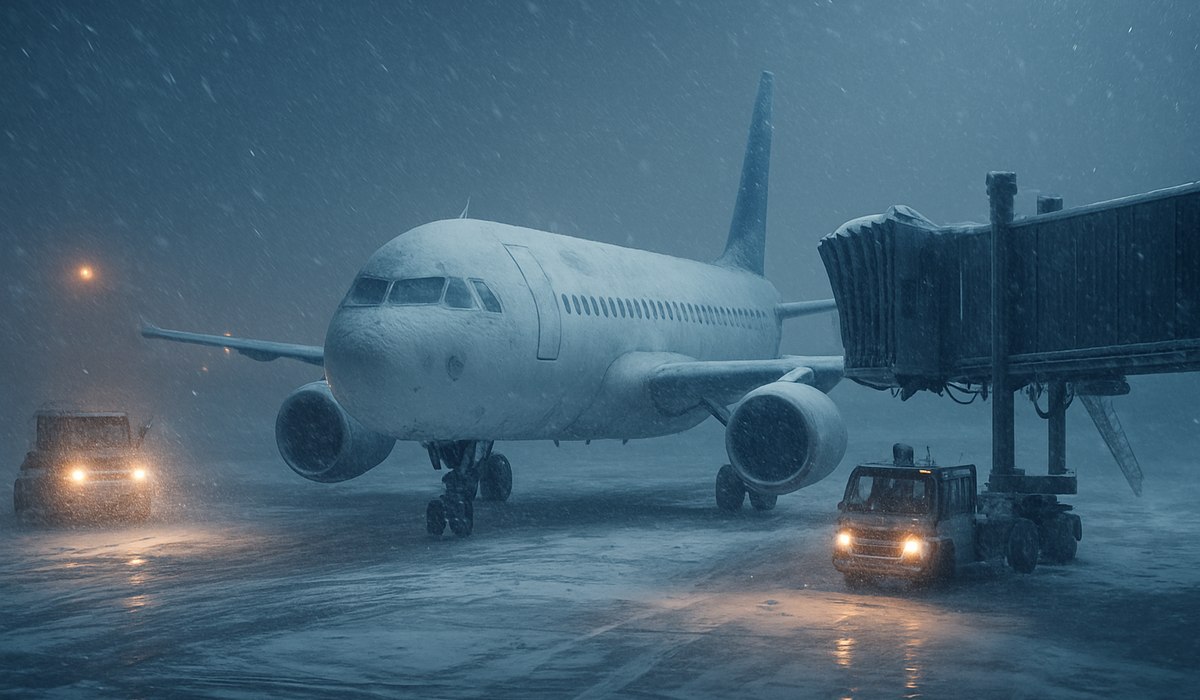
Image generated by AI
Late-Season Blizzard Grounds Hundreds of Flights Across Canada
Severe winter weather has paralysed Canada's air travel network, grounding over 400 flights and forcing cancellations across the country's busiest airports on April 5–6, 2026. A broad band of snow, freezing rain, and high winds swept through central and eastern Canada, triggering cascading disruptions that stranded thousands of passengers nationwide. The late-season storm arrived during peak spring travel demand, magnifying its impact on both domestic and cross-border connections.
Flight-tracking data reveals the scale of the disruption: at least 423 flights were delayed and 82 cancelled on April 5 alone, with conditions remaining unstable into April 6. Toronto Pearson and Montréal–Trudeau International airports bore the brunt, while effects rippled through Vancouver, Calgary, Ottawa, Halifax, and Québec City. Major carriers including Air Canada, WestJet, Jazz Aviation, and Porter Airlines issued weather waivers as ground operations slowed under icy conditions.
Storm System Slams Major Canadian Hubs
The severe winter weather system affected every major aviation hub across central and eastern Canada. Weather advisories point to heavy snowfall, icy runways, and freezing rain that disrupted de-icing operations and restricted aircraft movements. Even brief interruptions cascade through interconnected schedules, transforming isolated delays into network-wide disruptions affecting hundreds of passengers.
This marks the latest in a series of winter weather challenges for Canadian aviation. The 2025–26 season has been marked by multiple Arctic outbreaks and earlier blizzards that periodically constrained capacity. According to industry analysis at FlightAware, winter weather accounts for approximately 15% of all North American flight delays, with Canadian hubs particularly vulnerable due to geographic positioning and seasonal intensity.
The timing compounds the crisis. As spring break and Easter travel demand peaks, airports operated at near-capacity, leaving minimal buffer for weather-related disruptions. Passengers booked on connecting flights through Toronto or Montréal faced particular challenges, as delays in one region rapidly propagated eastward and westward.
Toronto and Montreal Bear the Brunt
Toronto Pearson International Airport recorded approximately 140 delayed flights and 32 cancellations within a single day. Services to Montréal, Vancouver, Halifax, and multiple U.S. destinations were among those most affected. As Canada's primary international gateway and central domestic hub, Pearson disruptions immediately cascade throughout the national network.
At Montréal–Trudeau International Airport, roughly 80 flights experienced delays while 15 were cancelled. Routes to Toronto, regional Québec destinations, Atlantic Canada, and select cross-border services all faced impacts. Heavy snow combined with low visibility and intermittent freezing precipitation slowed ground handling, extended aircraft turnaround times, and strained available crews.
Western hubs also experienced elevated disruption. Vancouver and Calgary reported dozens of delays and several cancellations, partially driven by knock-on effects from aircraft and crew positioning challenges originating in central Canada. Regional airports in Ottawa, Halifax, and Québec City experienced scattered cancellations and rolling delays as carriers adjusted schedules to maintain safety margins.
The interconnected nature of modern aviation means distant weather events translate into local disruption hours later. Aircraft and crews routed through major hubs supply regional services across the country, ensuring that eastern Canadian weather impacts operations in western provinces within hours.
Cascading Delays Across Interconnected Schedules
The severe winter weather's impact extends far beyond the immediate storm zone. When snow and ice force temporary slowdowns in departures and arrivals, aircraft often arrive late into their next city, eroding critical buffer time in schedules. Morning flight delays in Toronto or Montréal translate directly into evening delays several time zones away.
Industry dashboards reveal this cascade effect across April 5–6. Late-running morning flights created domino effects throughout the day and into subsequent days. Crews reached duty-limit restrictions, forcing additional cancellations. Aircraft intended for evening service remained positioned incorrectly, creating secondary disruptions that extended the impact well beyond initial weather window.
Airlines issued weather waivers on affected routes, allowing customers to rebook on alternate dates without penalty. According to Transport Canada's official advisories, carriers maintain discretionary authority to waive change fees during declared severe weather events. However, rebooking passengers onto alternative flights proved challenging when hundreds of flights were already delayed or cancelled.
Impact on Spring Travel Season
The disruption arrives during a critical period for Canadian tourism and business travel. Spring break, Easter holidays, and early summer holiday bookings drive peak demand through April. Thousands of passengers faced rebooking delays, hotel cancellations, and missed connections to international destinations.
For travelers with flexible itineraries, the severe winter weather prompted last-minute routing changes. Passengers rebooked through alternative hubs or shifted travel dates by 24–48 hours. However, those with fixed plans—conference attendees, connecting passengers, and families with school schedules—faced significant operational and financial challenges.
The incident underscores persistent vulnerabilities in Canadian aviation infrastructure during seasonal transitions. While modern de-icing equipment and protocols have improved reliability, extreme weather systems can still overwhelm capacity, particularly when multiple hubs experience simultaneous severe conditions.
Airlines continue monitoring weather forecasts as the storm system moves offshore. Operational improvements expected through April 7–8 should gradually restore normal scheduling, though passenger backlogs may require several additional days to clear completely.
Flight Disruption Data Table
| Metric | April 5 | April 6 | Most Affected Hub |
|---|---|---|---|
| Total Flights Delayed | 423+ | 300+ (estimated) | Toronto Pearson |
| Total Flights Cancelled | 82+ | 45+ (estimated) | Montréal–Trudeau |
| Toronto Pearson Delays | 140 | 95 (estimated) | Domestic connections |
| Toronto Pearson Cancellations | 32 | 18 (estimated) | Cross-border routes |
| Montréal–Trudeau Delays | 80 | 55 (estimated) | Atlantic Canada links |
| Montréal–Trudeau Cancellations | 15 | 10 (estimated) | Québec regional |
| Western Hub (Van/YYC) Delays | 65 | 40 (estimated) | Knock-on effects |
| Weather Cause | Snow/Ice/Freezing Rain | Residual Conditions | All regions |
| Estimated Passengers Affected | 60,000+ | 40,000+ | Network-wide |
What This Means for Travelers
-
Check Flight Status Before Departure: Visit your airline's website or call directly for real-time updates. Don't rely solely on airport arrival times, as conditions change rapidly during severe weather events.
-
Understand Your Rights: Under Canadian airline passenger protection regulations, carriers must rebook passengers on alternate flights at no charge during weather-related disruptions. Document all communications with airlines.
-
Plan Buffer Time: When spring travel resumes normal operations, build 2–3 hour connections through major hubs like Toronto and Montréal. Severe winter weather, while unusual in April, can recur until mid-April in northern regions.
-
Monitor Weather Forecasts: Check Environment Canada's warnings for your departure and arrival cities. Severe winter weather typically arrives with 24–48 hour notice through official weather advisories.
-
Consider Travel Insurance: Comprehensive travel insurance covering weather-related disruptions and cancellations provides financial protection and rebooking assistance during operational crises. Review policy language carefully regarding "acts of
Disclaimer
This article is for informational and educational purposes only. It does not constitute legal, financial, or professional advice. While we strive to provide accurate and up-to-date information, travel policies, regulations, and conditions change rapidly. Always verify information with official sources before making travel decisions. Nomad Lawyer makes no representations about the accuracy, reliability, completeness, or suitability of the information provided. Readers should consult qualified professionals for advice specific to their circumstances. The views expressed in this article are those of the author and do not necessarily reflect the views of Nomad Lawyer.
Raushan Kumar
Founder & Lead Developer
Full-stack developer with 11+ years of experience and a passionate traveller. Raushan built Nomad Lawyer from the ground up with a vision to create the best travel and law experience on the web.
Learn more about our team →