
Stansted Strike Threat Raises Fears of Flight Delays in Spring 2026
London Stansted Airport faces renewed stansted strike threat from contracted workers, raising fears of flight delays during spring's peak travel period in May 2026. Staff pay disputes risk queues and schedule changes.

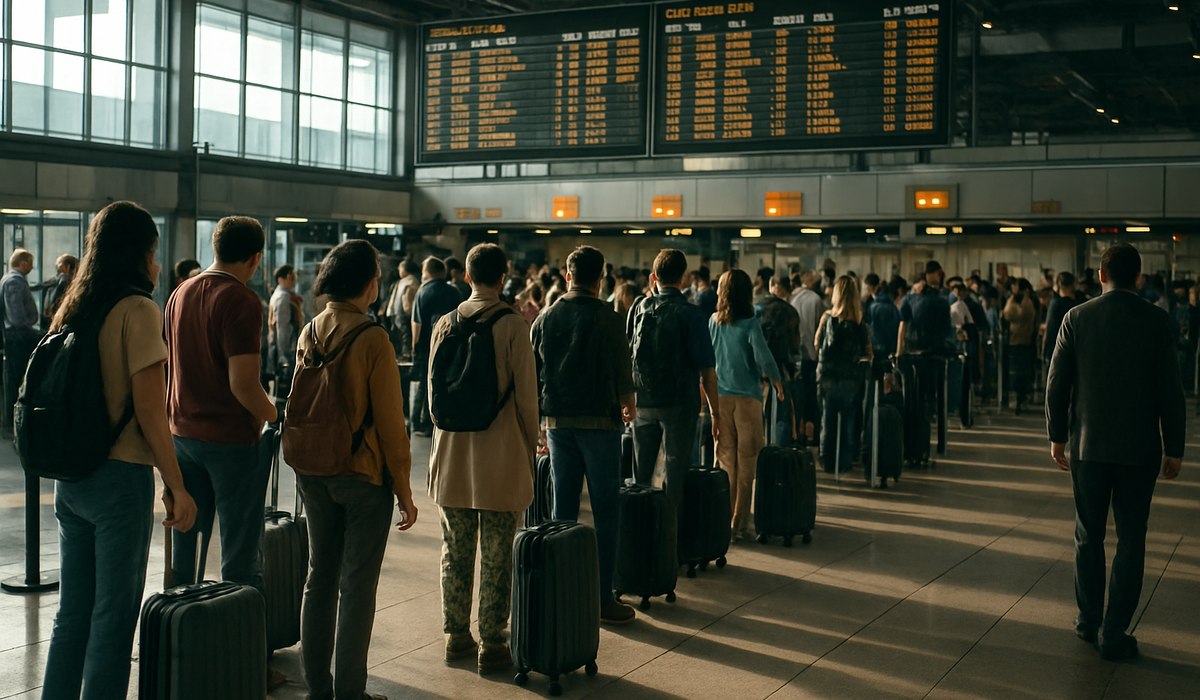
Image generated by AI
Stansted Strike Threat Raises Fears of Flight Delays
London Stansted Airport faces escalating industrial action as contracted workers renew pay dispute strikes, creating significant risks of flight delays and passenger disruption during spring 2026's busiest travel weekends. Facility support staff—including passenger assistance, cleaning, and security personnel—have staged multiple walkouts since April, with fresh threats targeting the early May bank holiday period when the airport expects peak leisure traffic to European destinations. Even with most flights continuing to operate, the stansted strike threat raises serious concerns about extended queues, slower processing at security checkpoints, and potential last-minute schedule changes that could affect thousands of travelers.
What Is Happening at Stansted Airport
The ongoing stansted strike threat stems from a compensation dispute between contracted facility workers and external service providers operating at the airport. Staff employed by contractors such as ABM—which supports passengers with reduced mobility—have already staged multiple work stoppages since April 2026 over pay and working conditions that unions argue have failed to match rising living costs.
Initial strike action planned for mid-April was temporarily suspended after new pay offers emerged, but subsequent union ballots quickly authorized fresh action dates. Workers then shifted their focus toward the early May bank holiday, a period when Stansted handles exceptionally high passenger volumes. While some planned walkouts were suspended following late-stage negotiations, union representatives have consistently maintained that further industrial action remains possible if talks stall.
This pattern of announced strikes, temporary suspensions, and revised dates creates ongoing operational uncertainty for the airport and its airline partners. For travelers, even suspended strikes can trigger contingency planning that results in residual disruption as staffing rosters are rebuilt and contingency measures are scaled back.
Which Workers Are Involved in the Dispute
The stansted strike threat primarily involves support and frontline service staff rather than pilots, engineers, or air traffic controllers. Affected workers include:
- Passenger assistance personnel: Staff helping travelers with reduced mobility through check-in, security, and boarding
- Security contractors: Workers operating bag screening and access control checkpoints
- Cleaning and facilities teams: Staff maintaining terminal cleanliness and passenger facilities between flights
These roles are essential to terminal operations flow. When staffing levels drop due to strikes, processing speeds slow dramatically, particularly at bottleneck areas like security queues and boarding gates. Unlike strikes involving air traffic control, contracted staff walkouts rarely force full airport closure—instead, they create cascading delays as passengers take longer to move through the terminal.
According to reporting from passenger rights organizations, workers have emphasized that wages have not kept pace with inflation, and that working conditions require improvement. The union focus on spring bank holidays specifically targets periods when the airport operates near maximum capacity, maximizing negotiating pressure.
How Potential Strikes Could Affect Flights
The stansted strike threat creates several distinct disruption patterns for passengers. Most Stansted-based airlines—including major low-cost carriers operating European routes—will likely maintain flight schedules even during strikes, but operational execution will suffer.
Boarding delays: Passenger assistance teams help wheelchair users, elderly passengers, and those with mobility issues navigate airport processes. Reduced staffing means boarding takes significantly longer, holding aircraft on the ground while crews wait for all passengers to safely board. This creates knock-on delays for subsequent flights using the same aircraft.
Security queue extensions: When contracted security staff operate at reduced numbers, checkpoint throughput drops sharply. Travelers arriving within standard recommended timeframes may still miss flights due to unexpectedly long queues.
Gate changes and schedule adjustments: Airlines respond to labor disruptions by adjusting check-in deadlines, consolidating lightly-booked flights, and implementing contingency protocols. Passengers should expect last-minute gate changes, revised boarding times, and potential flight cancellations on lightly-scheduled routes.
You can track real-time flight status and delays at FlightAware, which provides minute-by-minute updates on aircraft movements, cancellations, and ground delays across European airports including Stansted.
What Can Travelers Do to Prepare
The stansted strike threat requires proactive preparation. Passenger advocates consistently recommend adopting conservative travel planning strategies to minimize disruption risk.
Arrive earlier than standard recommendations: Industry guidance typically suggests arriving two hours before European flights. During labor unrest, consider adding an extra 30-60 minutes to account for slower security and check-in processing.
Confirm flight status before departure: Call your airline or check their website 24 hours before travel. During active strikes, airlines may adjust schedules without prominent notifications.
Choose direct flights when possible: Multi-leg journeys create more opportunities for cascading delays. Direct flights to European destinations offer better schedule reliability during disrupted periods.
Monitor union announcements: Check Transport and General Workers Union (TGWU) statements and airline notices for updated strike dates. Labor action typically follows announced ballot results by 7-10 days.
Consider travel insurance with flight delay coverage: Comprehensive policies covering both strike-related and weather-related disruption provide financial protection if delays extend beyond airline compensation thresholds.
Maintain flexible booking practices: When booking, prioritize airlines offering free rebooking policies rather than non-refundable fares. This flexibility becomes critical if industrial action forces schedule changes.
Key Stansted Disruption Timeline
| Date Range | Incident Type | Status | Affected Services |
|---|---|---|---|
| 17-20 April 2026 | Planned strike action | Suspended | Passenger assistance, security |
| 21-30 April 2026 | Contingency operations | Active | Slower terminal processing |
| 1-5 May 2026 | Early May bank holiday strike threat | Suspended (ongoing risk) | All contracted staff functions |
| 6 May onwards | Negotiations continuing | Ongoing uncertainty | All airport operations |
| Spring 2026 | Rolling ballots authorized | Potential for revival | Full contractual staff impact |
What This Means for Travelers
The stansted strike threat creates meaningful operational risk for anyone traveling through London Stansted during spring 2026. While complete airport closure remains unlikely, passengers should prepare for slower processing speeds, longer queues, and potential schedule changes.
Traveler Action Checklist:
-
Check official strike dates on your airline's website and the Stansted Airport social media accounts before your travel date.
-
Add 45-60 minutes to your typical airport arrival time during peak bank holidays and weekends.
-
Confirm your flight 24 hours before departure by calling your airline directly rather than relying on automated notifications.
-
Download boarding passes in advance to bypass check-in queues, reducing exposure to security bottlenecks.
-
Monitor real-time flight tracking on FlightAware and your airline app from 48 hours before departure.
-
Review your passenger rights through the U.S. Department of Transportation site if rebooking becomes necessary.
-
Contact your airline immediately if you miss your flight due to airport delays, documenting queue wait times for compensation claims.
-
Consider alternative airports like London Luton or London Gatwick for critical travel dates if disruption risks feel unacceptable.
FAQ: Stansted Strike Threat Questions
Q: Will Stansted Airport close completely if strikes proceed? A: Unlikely. The stansted strike threat primarily involves contracted support staff, not essential airport infrastructure. The airport will remain open, but passenger processing speeds will drop significantly, creating longer queues and potential flight delays rather than cancellations.
Q: Which airlines operate from Stansted and could be affected? A: Major low-cost carriers including Ryanair, Wizz Air, and easyJet operate extensive networks from Stansted. Strike impacts affect all
Disclaimer
This article is for informational and educational purposes only. It does not constitute legal, financial, or professional advice. While we strive to provide accurate and up-to-date information, travel policies, regulations, and conditions change rapidly. Always verify information with official sources before making travel decisions. Nomad Lawyer makes no representations about the accuracy, reliability, completeness, or suitability of the information provided. Readers should consult qualified professionals for advice specific to their circumstances. The views expressed in this article are those of the author and do not necessarily reflect the views of Nomad Lawyer.
Raushan Kumar
Founder & Lead Developer
Full-stack developer with 11+ years of experience and a passionate traveller. Raushan built Nomad Lawyer from the ground up with a vision to create the best travel and law experience on the web.
Learn more about our team →