
Free Travel South Korea: Seoul Launches Citywide WiFi for Global Tourists
Seoul eliminates roaming fees with citywide free WiFi zones for international visitors in 2026, transforming how travelers stay connected in South Korea's capital.

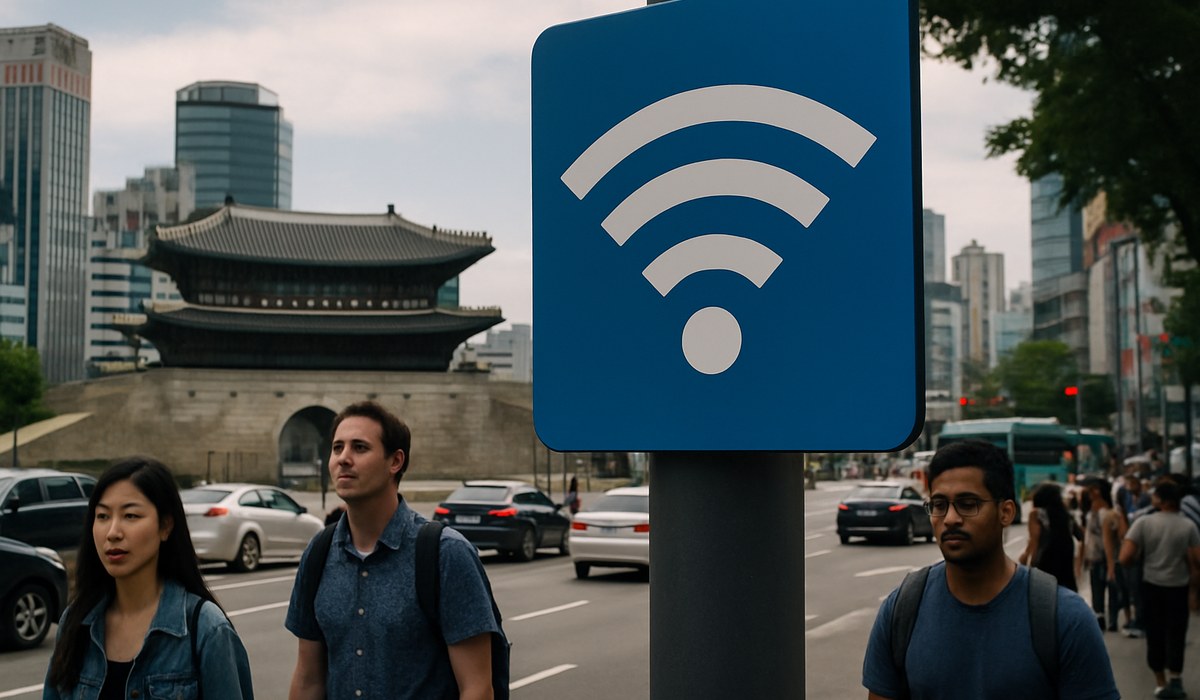
Image generated by AI
Imagine landing in Seoul and instantly connecting to free, unlimited WiFi across the entire city—no SIM cards, no roaming charges, no hunting for hotspots. That vision became reality this March as South Korea's capital launched a comprehensive network of data-free zones specifically designed for international travelers. According to World Travel & Tourism Council research, reliable internet connectivity now ranks among the top five factors influencing destination choice for 73% of global travelers, making Seoul's initiative a potentially game-changing move in Asia's competitive tourism landscape.
The rollout positions Seoul as the first major Asian capital to eliminate connectivity barriers through government-funded infrastructure rather than commercial partnerships. Initial coverage encompasses all subway stations, major tourist attractions, transportation hubs, and designated cultural districts throughout the metropolitan area. The Seoul Metropolitan Government estimates the network will serve approximately 8.5 million international visitors projected to arrive in 2026.
Quick Summary
- Seoul launches citywide free WiFi infrastructure eliminating roaming costs for international tourists starting March 2026
- Coverage spans subway systems, tourist attractions, airports, and cultural districts across the metropolitan region
- Initiative positions South Korea as Asia's first capital offering comprehensive connectivity without commercial prerequisites
- Network complements regional travel improvements including Japan's new electronic travel authorization system enhancing visitor experiences
How Seoul's Data-Free Zones Work: Coverage and Access Points
The infrastructure operates through a simplified authentication system requiring only passport verification at any access point. Travelers receive automatic seven-day renewable passes without email registration or personal data collection beyond entry documentation. Network speeds average 50-100 Mbps download capacity, sufficient for video streaming, navigation apps, and real-time translation services.
Coverage density concentrates around sixty-seven major tourist sites including Gyeongbokgung Palace, Namsan Tower, Myeongdong shopping district, and the entire Hongdae entertainment area. All nine subway lines provide uninterrupted connectivity, addressing a common pain point for travelers navigating Seoul's extensive underground transportation network. Incheon International Airport terminals feature dedicated tourist welcome stations where visitors activate their accounts before entering the city.
The Seoul Tourism Organization reports that pilot testing during February 2026 demonstrated 94% successful connection rates among international users. Technical infrastructure combines government-owned fiber networks with strategic placement of 12,000 access points across the city's 605 square kilometers. Unlike commercial WiFi services requiring app downloads or partnership sign-ups, the system functions through standard device settings accessible on any smartphone or tablet.
Park Ji-won, director of Seoul's Smart City Bureau, stated that eliminating connectivity barriers addresses feedback from tourism surveys where 68% of respondents cited expensive roaming fees as a significant travel concern. The initiative costs approximately $47 million annually, funded through national tourism development budgets rather than municipal operating funds.
What This Means for International Travelers and Your Travel Budget
Eliminating data roaming charges represents substantial savings for most international visitors. Standard roaming rates for major carriers average $10-15 daily or $60-100 for weekly travel packages. A typical week-long Seoul visit requiring constant connectivity for navigation, translation apps, and social media sharing could cost $70-150 depending on carrier and usage patterns. The free WiFi zones eliminate these expenses entirely.
Budget-conscious travelers gain the most significant advantages. Independent travelers who previously relied on physical maps, pre-downloaded offline guides, or limited connectivity through café WiFi can now access real-time information throughout their journeys. This accessibility particularly benefits travelers from markets where international roaming remains prohibitively expensive, including visitors from Southeast Asia, Latin America, and Eastern Europe.
The infrastructure also supports emerging travel patterns documented by UN World Tourism Organization statistics, showing 61% of Asian travelers now research and modify itineraries in real-time rather than following pre-planned schedules. Constant connectivity enables spontaneous restaurant discoveries through review platforms, last-minute attraction ticket purchases, and dynamic transportation routing based on current conditions.
Business travelers benefit through reliable video conferencing capabilities without purchasing premium roaming packages. Digital nomads can potentially extend stays without factoring expensive data plans into monthly budgets. Families traveling together reduce costs that multiply across multiple devices, as each phone, tablet, and laptop connects without per-device charges or connection limits.
The initiative arrives as regional connectivity improvements like Vietnam Airlines expanding routes increase visitor flows throughout Asia, making seamless digital access more valuable for multi-country itineraries. Travelers visiting both Seoul and other regional destinations can maintain consistent connectivity expectations in South Korea while planning for data needs elsewhere.
Comparing Seoul's Initiative to Global Smart Tourism Trends
Seoul's approach reflects broader global momentum toward treating digital connectivity as essential infrastructure rather than commercial amenity. According to Skift travel intelligence, fifteen major cities worldwide implemented or expanded public WiFi initiatives specifically targeting tourists during 2025, though most maintain partnership models requiring commercial relationships or advertising exposure.
European precedents include Barcelona's free WiFi covering 650 hotspots across the city center and Amsterdam's network spanning major cultural institutions. However, both require email registration and maintain connection time limits—typically two hours before requiring re-authentication. Singapore's Wireless@SG network provides extensive coverage but operates through commercial partnerships requiring app downloads and personal data sharing.
What distinguishes Seoul's model is its passport-only authentication system eliminating privacy concerns while maintaining security protocols. This approach addresses growing traveler wariness about data collection practices documented in consumer research showing 47% of international tourists express concern about WiFi networks requiring personal information.
The initiative also contrasts with emerging commercial solutions like global eSIM providers offering multi-country data packages. While services like Airalo or Holafly provide convenience, they still require purchases ranging from $5-30 depending on duration and data allowances. Seoul's approach positions connectivity as public infrastructure comparable to street signage or tourist information centers—essential services governments provide to facilitate visitor experiences.
Dubai implemented similar philosophy with DubaiWiFi covering tourist areas but maintains stricter content filtering that occasionally impacts VPN usage and certain social media platforms. Seoul's network operates without content restrictions beyond standard South Korean telecommunications regulations, providing travelers with consistent internet experiences.
Cities watching Seoul's implementation include Tokyo, Singapore, and Bangkok—major Asian tourism hubs where connectivity complaints frequently appear in visitor feedback. Singapore's tourism board reportedly commissioned feasibility studies examining Seoul's infrastructure costs and authentication systems for potential adaptation to their smaller but equally tech-forward city-state.
The competitive positioning extends beyond Asia, with Hanoi's emergence as Asia's innovation hotspot demonstrating how Southeast Asian destinations leverage technology to differentiate themselves in crowded tourism markets. Seoul's comprehensive connectivity infrastructure raises expectations for digital services across the region.
Making the Most of Free Connectivity: Tips for Visiting Seoul
Maximize the network by activating your access immediately upon airport arrival at designated tourist information desks near baggage claim. The initial authentication takes approximately three minutes and remains active throughout your passport-authorized stay period. Save credentials to your device for automatic reconnection when entering coverage zones throughout the city.
Download essential apps before leaving the airport while enjoying high-speed connectivity. Priority applications include Naver Maps (more accurate than Google Maps for Seoul navigation), KakaoTalk for communicating with hotels and restaurants, and Papago for real-time Korean-English translation. The Seoul Official Guide app provides walking tour routes optimized for maintaining WiFi connectivity through dense coverage areas.
Plan data-intensive activities strategically around coverage zones. Upload photos and videos to cloud storage when near subway stations or major attractions rather than relying on hotel WiFi. Stream content and make video calls while exploring covered areas rather than consuming limited hotel bandwidth. Download entertainment content for areas with reduced coverage, particularly palace gardens or mountain hiking trails where signal strength decreases.
Use the connectivity for real-time restaurant reservations through platforms like Catch Table or Naver Booking, which often provide better availability than walking in without reservations. Enable live location sharing with travel companions for easy meetups in crowded areas like Myeongdong or Dongdaemun markets. Activate translation apps during shopping interactions—merchants appreciate the effort even when WiFi facilitates the communication.
Travelers concerned about security should still maintain standard WiFi precautions despite the government-operated network. Use VPN services for banking transactions or sensitive communications. Disable automatic connections to prevent your device from attempting joins to similarly-named networks. Update your device's operating system before traveling to ensure latest security protocols.
The seven-day renewal system requires minimal effort—simply reconnect to any access point after the initial period expires and the system automatically extends your authorization based on passport entry dates. Visitors staying longer than standard tourist periods should verify extension procedures at hotel concierge desks or tourist information centers.
FAQ: Seoul's Free WiFi for Tourists
How fast is Seoul's free tourist WiFi compared to mobile data?
Network speeds average 50-100 Mbps for downloads, comparable to mid-tier mobile data plans and sufficient for streaming video, using navigation apps simultaneously with music, and conducting video calls. During peak evening hours in extremely crowded areas like Hongdae nightlife districts, speeds may throttle to 25-30 Mbps but remain functional for all standard travel activities. These speeds significantly exceed most hotel WiFi networks and match or surpass what many travelers' home connections provide.
Do I need to keep purchasing tourist SIM cards if this WiFi is available everywhere?
Coverage comprehensively spans subway systems and major tourist areas, but gaps exist in residential neighborhoods, mountain hiking trails, and some outer districts. Travelers spending most time in central Seoul visiting typical tourist attractions likely won't need SIM cards. However, those planning extensive exploration of residential areas, day trips to rural regions, or requiring guaranteed connectivity during all transportation segments should consider backup options. Most visitors find the free network sufficient for 85-90% of their daily connectivity needs.
Can I use the WiFi for my laptop or tablet, or just smartphones?
The network supports all WiFi-enabled devices including laptops, tablets, e-readers, and smartwatches. The passport authentication creates an account accessible across multiple devices simultaneously without per-device limits. Travelers can connect their phone, laptop, and tablet at the same time using the same credentials. This multi-device compatibility particularly benefits business travelers or digital nomads requiring laptop connectivity for work activities while exploring the city.
Is there a data cap or daily usage limit on the free network?
Seoul's tourist WiFi operates without data caps or daily usage limits. Travelers can stream video content, upload photo libraries, or conduct video conferences without worrying about throttling or connection termination. This unlimited approach distinguishes the service from many commercial WiFi providers that impose fair usage policies after certain consumption thresholds. However, the network reserves the right to temporarily limit bandwidth for users engaging in illegal downloads or activities violating terms of service.
What should I do if I can't connect or the network isn't working?
Tourist information centers at major subway stations, Incheon Airport terminals, and popular attractions offer technical support specifically for international visitors. English-speaking staff can troubleshoot connection issues, verify your authentication is properly configured, and provide alternative access points if specific locations experience technical difficulties. A 24-hour helpline (accessible through the Seoul Official Guide app) provides multilingual support for connectivity problems. Most connection issues resolve by forgetting the network in device settings and reconnecting through the standard authentication process.
Related Articles:
Disclaimer
This article is for informational and educational purposes only. It does not constitute legal, financial, or professional advice. While we strive to provide accurate and up-to-date information, travel policies, regulations, and conditions change rapidly. Always verify information with official sources before making travel decisions. Nomad Lawyer makes no representations about the accuracy, reliability, completeness, or suitability of the information provided. Readers should consult qualified professionals for advice specific to their circumstances. The views expressed in this article are those of the author and do not necessarily reflect the views of Nomad Lawyer.
Raushan Kumar
Founder & Lead Developer
Full-stack developer with 11+ years of experience and a passionate traveller. Raushan built Nomad Lawyer from the ground up with a vision to create the best travel and law experience on the web.
Learn more about our team →