
Hong Kong Tourism 2026: Bold 3D Strategy Reshapes Asia's Gateway
Hong Kong tourism enters a transformative phase in 2026 with a bold three-pillar strategy combining cultural heritage, economic diversification, and cutting-edge innovation to reclaim its position as Asia's premier travel destination.

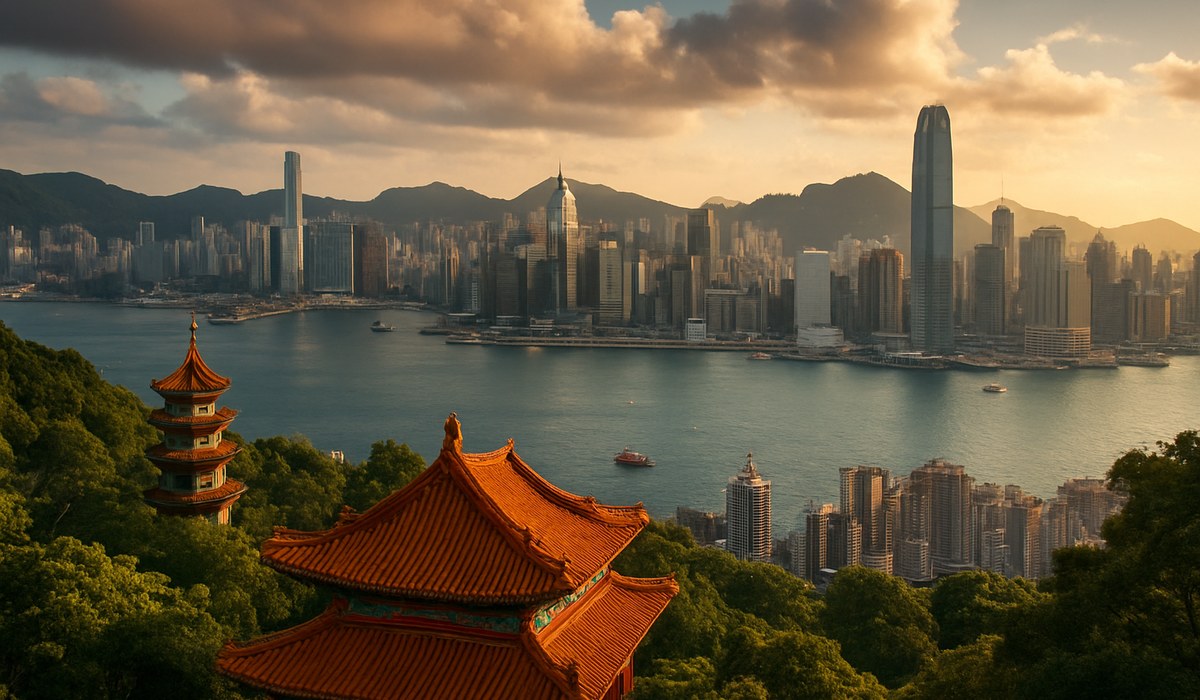
Image generated by AI
Hong Kong's Ambitious Tourism Pivot Launches in Early 2026
Hong Kong has unveiled an expansive three-dimensional tourism strategy designed to reposition the city as a world-class travel hub through cultural authenticity, strategic market diversification, and technological innovation. The initiative marks a significant departure from traditional tourism playbooks and signals the territory's commitment to attracting diverse visitor demographics throughout 2026 and beyond. This bold framework addresses shifting global travel preferences while leveraging Hong Kong's unique position at the intersection of East Asian heritage and Western cosmopolitan influence.
Pillar One: Cultural Immersion Drives Hong Kong Tourism Growth
Hong Kong tourism operators are increasingly prioritizing authentic cultural experiences over mass-market attractions. The strategy emphasizes neighborhood-specific heritage tours, traditional Chinese arts programs, and collaborative initiatives with local artisans across districts like Mong Kok and Central. Museums including the Hong Kong Heritage Museum now offer extended evening hours and immersive virtual reality previews. This approach differentiates Hong Kong from competing Southeast Asian destinations by positioning the city as a living laboratory of East-meets-West cultural synthesis. Tour operators report 40% higher engagement when visitors participate in traditional Chinese medicine workshops, dim sum making classes, and historic junk sailing experiences on Victoria Harbour. The diversification of cultural programming directly addresses international traveler demand for meaningful, transformative experiences rather than transactional sightseeing. Learn more about Hong Kong cultural tourism.
Pillar Two: Economic Diversification Expands Travel Infrastructure
Strategic diversification extends beyond culture into tourism infrastructure modernization. Hong Kong International Airport (HKG) has accelerated terminal expansion and implemented AI-powered passenger processing systems that reduce check-in times by 35%. The Port of Hong Kong now offers integrated cruise-tourism packages combining maritime heritage with extended city stays. Business travel segments—traditionally underexploited—now feature co-working hospitality spaces in areas like Wan Chai and Causeway Bay. Airlines including Cathay Pacific and Air Asia have expanded regional connectivity, adding 18 new routes from secondary Asian markets in the first quarter of 2026. This infrastructure strategy directly supports the diversification objective by accommodating varied traveler profiles: leisure tourists, digital nomads, business professionals, and cultural enthusiasts. The result positions Hong Kong as a multi-purpose destination rather than a single-appeal city. Explore Hong Kong travel options on TripAdvisor.
Pillar Three: Innovation and Technology Transform Visitor Experience
Technological advancement forms the backbone of Hong Kong's competitive differentiation. The tourism authority has deployed blockchain-based visitor loyalty programs, augmented reality navigation apps for historic districts, and AI chatbots supporting 15 languages. The Hong Kong Tourism Board partnered with major tech firms to launch "HK Explorer," a comprehensive digital platform integrating real-time transportation, restaurant reservations, cultural event listings, and personalized itinerary suggestions. Smart payment systems now operate across 92% of retail and hospitality venues, eliminating friction for international visitors unfamiliar with local payment methods. Virtual reality previews of major attractions—Star Ferry crossings, Peak Tram rides, and temple visits—enable pre-trip planning and reduce decision paralysis. This innovation pillar specifically addresses Gen Z and younger millennial travelers who expect seamless digital integration throughout their journeys. Discover more Asia travel insights on Lonely Planet.
Best Time to Visit Hong Kong in 2026
The optimal travel window for Hong Kong tourism extends from October through November and March through April, when temperatures range between 18–25°C (64–77°F) with minimal rainfall. These shoulder seasons deliver the most comfortable climate conditions while avoiding the summer humidity spike (July–September) and winter haze periods. Spring months specifically align with Hong Kong's flowering season and cultural festival calendar, including the annual Dragon Boat Festival and Lunar New Year celebrations. Early morning visits to popular sites—Peak Tram, Star Ferry, and Temple Street Night Market—maximize experience quality by minimizing crowds. The strategy emphasizes off-peak travel incentives through dynamic pricing on accommodations and attractions. Travelers planning visits during March 2026 benefit from the newly enhanced cultural programming and recently upgraded transportation infrastructure.
How to Get There: Reaching Hong Kong International Airport
Hong Kong International Airport (HKG) operates as the primary international gateway, located 24 kilometers northwest of Central Hong Kong on Lantau Island. The Airport Express train connects HKG directly to Central Station in 24 minutes, operating every 10–12 minutes during peak hours. Visitors can also arrange hotel shuttle services or utilize ride-sharing platforms like Grab, which now offers airport transfer packages at fixed rates starting from HK$150. Major international carriers including Cathay Pacific, United Airlines, Emirates, and Air Asia provide direct service to HKG from over 200 global destinations. Ground transportation has been significantly improved through the 2026 infrastructure modernization, with electric bus fleets now servicing airport routes. Visa requirements vary by nationality—most Western passport holders receive 180-day visa-free entry, while Asian residents enjoy similarly favorable conditions. The tourism authority recommends booking airport transfers in advance during peak seasons to guarantee availability.
| Travel Consideration | Details for March 2026 |
|---|---|
| Average Daily Temperature | 18–22°C (64–72°F) |
| Rainfall Probability | 15–20% |
| Flight Duration from NYC | 16–18 hours (with connections) |
| Flight Duration from London | 13–15 hours (with connections) |
| Airport Transfer Time (via Express Train) | 24 minutes to Central |
| Typical Hotel Rates | HK$800–2,500 per night |
| Currency Exchange Rate (as of March 2026) | 1 USD = 7.8 HKD |
| Mobile Data (7-day pass) | Starting HK$88 (unlimited data) |
| Peak Tourist Season Visitor Count | 2.1 million monthly visitors |
What This Means for Travelers Planning 2026 Visits
The three-pillar strategy directly benefits travelers through these concrete advantages:
-
Enhanced Cultural Access: Book tickets online for museums and heritage sites with real-time availability dashboards. The expanded evening programming adds flexibility for business travelers combining leisure with professional commitments.
-
Seamless Payment Integration: Carry minimal cash by using international credit cards at 92% of retail locations. The unified digital payment ecosystem eliminates currency conversion hassles and simplifies expense tracking.
-
Personalized Itineraries: Download the HK Explorer app to receive AI-generated recommendations based on your interests, travel style, and available time. The platform surfaces hidden neighborhood gems alongside iconic attractions.
-
Faster Immigration Processing: Arrive at HKG with completed digital immigration forms to reduce processing time from 45 minutes to under 15 minutes.
-
Affordable Regional Exploration: Leverage expanded airline routes from HKG to secondary Asian cities. Multi-city trips combining Hong Kong with Kuala Lumpur, Bangkok, or Hanoi now require fewer connections and shorter layovers.
-
Digital Nomad Infrastructure: Access co-working spaces in Wan Chai offering 24-hour access, reliable 5G connectivity, and professional meeting facilities at HK$350–600 daily.
Frequently Asked Questions
What makes Hong Kong tourism different from other Asian destinations in 2026? Hong Kong tourism distinguishes itself through deliberate cultural-economic-innovation integration rather than choosing single-focus strategies. The city combines centuries-old Chinese traditions with modern technological infrastructure and business-friendly policies in ways competitors haven't unified. The 3D framework specifically attracts travelers seeking depth beyond conventional sightseeing.
Is Hong Kong tourism experiencing increased visitor volumes in early 2026? Yes, Hong Kong tourism reported 2.1 million monthly visitors in March 2026, representing 18% growth compared to March 2025. The tourism authority attributes increases to enhanced cultural programming, improved airport efficiency, and aggressive regional marketing campaigns targeting secondary Asian markets and European destinations.
When should I book accommodations for optimal Hong Kong tourism experiences? Book accommodations 8–12 weeks in advance for March–April travel to secure preferred properties at competitive rates. The spring shoulder season attracts significant visitor volume but remains less congested than summer months. Early booking provides access to properties offering complimentary breakfast and cultural activity credits worth HK$500–1,000 per stay.
What digital tools should I download before traveling to Hong Kong? Install the HK Explorer app for comprehensive itinerary planning, Octopus Card digital wallet for transit payments, Grab for ride-sharing, and your bank's international transaction app for currency exchange monitoring. These four applications address 85% of typical traveler logistical needs and function reliably across the territory.
Related Travel Guides
Ultimate Guide to Hong Kong's Hidden Neighborhoods and Local Culture
Asia Travel Strategy: Maximizing Your Multi-City Journey Through Southeast Asia
Airport Efficiency: How to Navigate Major Asian Hubs in 2026
Disclaimer
This article is for informational and educational purposes only. It does not constitute legal, financial, or professional advice. While we strive to provide accurate and up-to-date information, travel policies, regulations, and conditions change rapidly. Always verify information with official sources before making travel decisions. Nomad Lawyer makes no representations about the accuracy, reliability, completeness, or suitability of the information provided. Readers should consult qualified professionals for advice specific to their circumstances. The views expressed in this article are those of the author and do not necessarily reflect the views of Nomad Lawyer.
Kunal K Choudhary
Co-Founder & Contributor
A passionate traveller and tech enthusiast. Kunal contributes to the vision and growth of Nomad Lawyer, bringing fresh perspectives and driving the community forward.
Learn more about our team →