
Senna Wellness Retreat Redefines Luxury Hospitality Through AI Integration and Human Connection 2026
Senna Wellness Retreat founder Vu Thien Ha outlines a shift in luxury hospitality, moving from product-based luxury to emotional connection and strategic AI implementation.

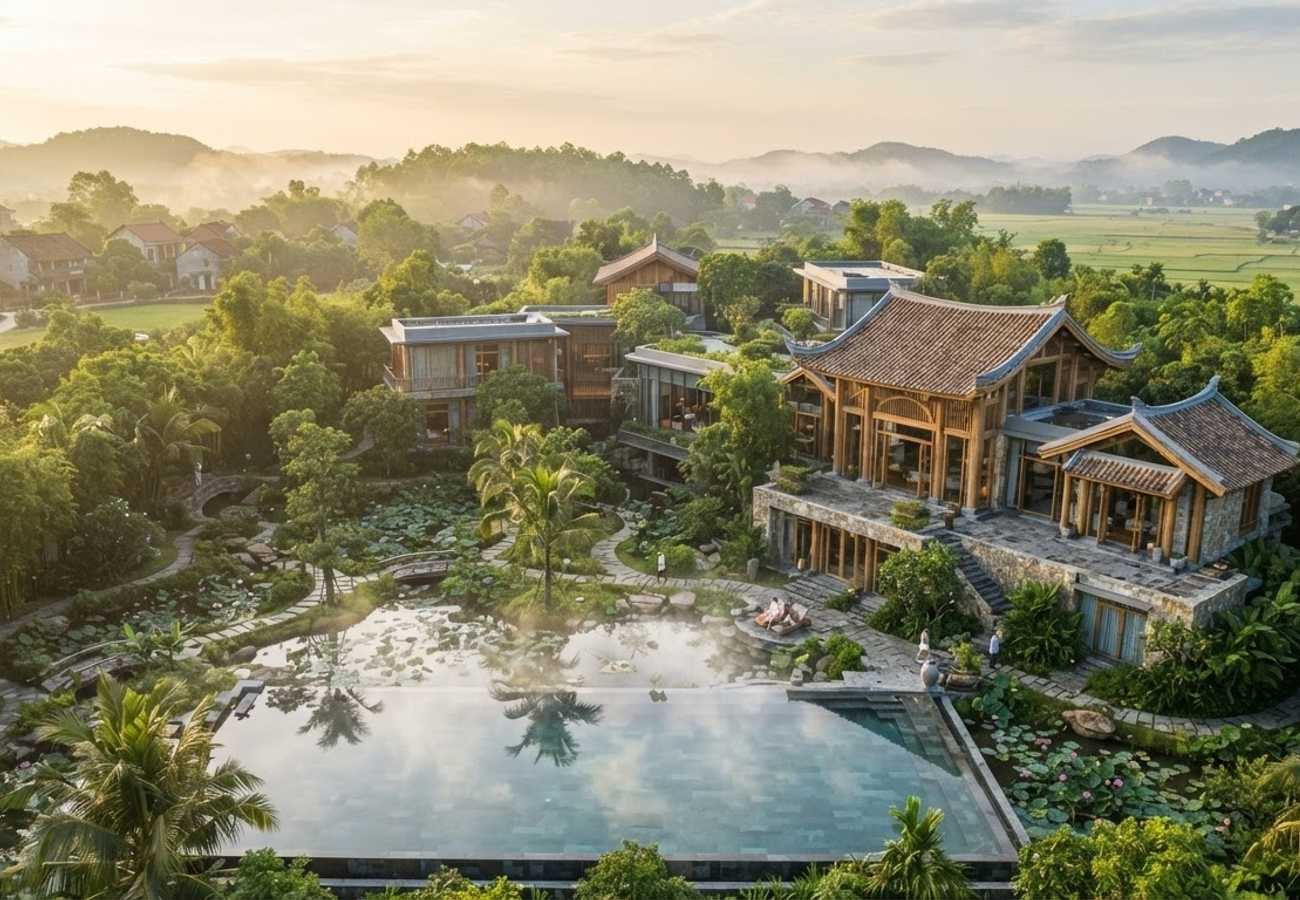
Image generated by AI
Luxury hospitality is pivoting away from material opulence toward emotional resonance, as guests increasingly prioritize how a stay makes them feel over the physical products provided.
At the Vietnam Hotel Innovation conference, Vu Thien Ha (known as Chip), founder and CEO of the Senna Wellness Retreat, detailed a strategic framework where technology serves as a catalyst for human interaction rather than a replacement. This shift marks a departure from traditional luxury, moving toward a model of "emotional luxury" centered on authenticity and well-being.
The Evolution of Wellness Hospitality
Senna Wellness Retreat operates on the premise that wellness must transcend the confines of a spa menu. Located in Bac Ninh, approximately 45 minutes from Hanoi, the retreat integrates food, accommodation, and service into a holistic philosophy of reconnection.
A key differentiator in Senna's operational model is its urban accessibility. While the industry standard typically places wellness retreats in remote mountains or secluded beaches, Senna brings these services closer to urban centers. This approach allows guests to integrate wellness into their lives without requiring a complete escape from their daily environments.
Redefining Luxury and the Role of AI
Market trends indicate that the modern traveler is less impressed by lavish surroundings and more attracted to meaningful experiences. Vu Thien Ha argues that the future of the sector lies in creating spaces that facilitate feeling better, rather than simply looking beautiful.
In this context, artificial intelligence is viewed as a tool for efficiency rather than a destination. The strategic application of AI at Senna focuses on:
- Analyzing and understanding guest preferences with higher precision.
- Automating repetitive administrative tasks.
- Increasing overall convenience for the guest.
The goal of this digital transformation is to liberate hospitality staff from routine labor, granting them more time to engage in high-value, meaningful interactions with guests.
Operational Pillars of the Senna Model
The retreat's strategy relies on a blend of local integration and a broad definition of sustainability.
Local Workforce and Development Vu Thien Ha emphasizes that hospitality remains a "people business." Senna prioritizes the employment of local personnel, viewing human development as the primary challenge and opportunity within the industry. By combining local manpower with insights from hotel owners and general managers, the retreat fosters an environment of continuous innovation.
Expanded Sustainability The retreat moves beyond the standard environmental checklist. Its sustainability framework includes:
- Preserving the specific cultural identity of the destination.
- Integrating nature into the immediate lives of the community.
- Direct investment in the local population.
Vietnam's Strategic Position in Asian Wellness
The Vietnamese market is uniquely positioned to lead in Asian wellness hospitality due to its diverse heritage, cuisine, and landscapes. Our analysis suggests that the growth of domestic tourism, coupled with an increasing global interest in meaningful travel, provides a significant opportunity for Vietnam to define a distinctive role in the global wellness economy.
Senna Wellness Retreat: Operational Overview
| Feature | Strategy |
|---|---|
| Location | Bac Ninh (45 mins from Hanoi) |
| Core Philosophy | Wellness beyond spa treatments; reconnection with nature/self |
| Luxury Definition | Emotional resonance and authenticity over physical products |
| AI Application | Automation of tasks to increase human interaction time |
| Sustainability Focus | Environmental impact, destination identity, and local investment |
| Staffing Model | Local manpower and cross-professional collaboration |
Why This Matters
From a logistical and market perspective, the Senna model highlights a critical transition in the high-end travel sector. For years, luxury was a "checklist" of amenities—marble floors, high-thread-count sheets, and gold accents. However, the "Information Gain" here is the shift toward Emotional ROI.
For travelers, this means the value proposition of a hotel is no longer about what the hotel has, but what the hotel enables. When AI handles the check-in and preference tracking, the human staff can pivot to emotional labor—empathy, storytelling, and personalized care. This reduces the "friction" of travel while increasing the "depth" of the experience.
Industry Outlook
We expect to see a rise in "Urban Wellness Hubs" that mimic the Senna model, breaking the monopoly that remote resorts have on the wellness market. As AI becomes commoditized, the competitive advantage for luxury hotels will shift entirely to the quality of their human capital. Hotels that fail to invest in the development of their local staff will find their AI tools provide efficiency but fail to provide the emotional connection that modern luxury guests now demand.
The future of luxury is not found in the product, but in the feeling.
Related Travel Guides
Disclaimer
This article is for informational and educational purposes only. It does not constitute legal, financial, or professional advice. While we strive to provide accurate and up-to-date information, travel policies, regulations, and conditions change rapidly. Always verify information with official sources before making travel decisions. Nomad Lawyer makes no representations about the accuracy, reliability, completeness, or suitability of the information provided. Readers should consult qualified professionals for advice specific to their circumstances. The views expressed in this article are those of the author and do not necessarily reflect the views of Nomad Lawyer.
Naina Thakur
Contributor & Travel Specialist
Travel enthusiast and legal writer covering visa regulations, responsible tourism, and cultural journeys across global destinations.
Learn more about our team →