
BWH Hotels Expands WorldHotels Independent Luxury Network Across EMEA in 2026
BWH Hotels is scaling its WorldHotels soft-brand platform across Europe, the Middle East, and Africa, allowing independent luxury properties to access global distribution without sacrificing local identity.

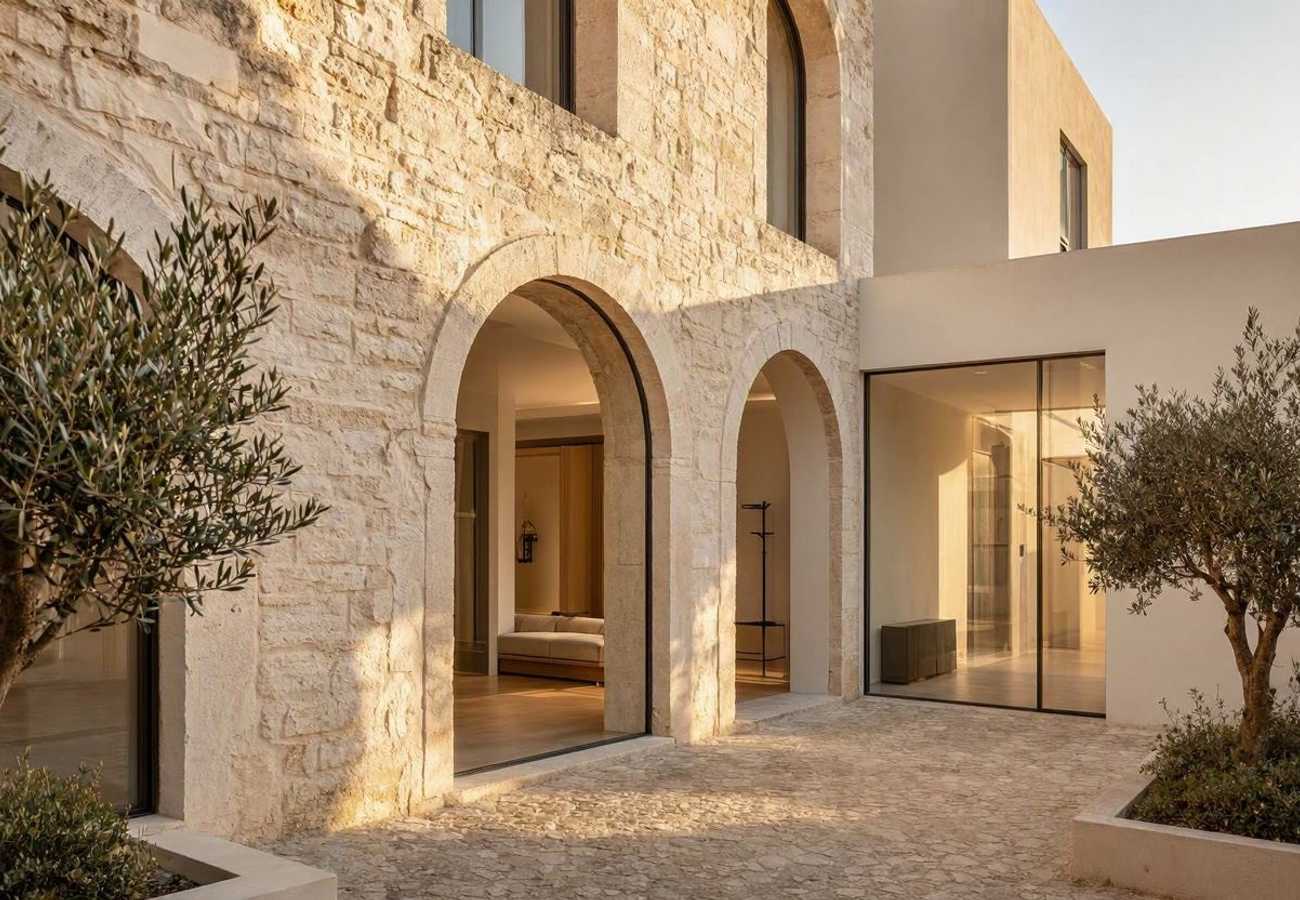
Image generated by AI
Two decades of organizational experience are now being leveraged by Wytze Van Den Berg, Vice President of EMEA for WorldHotels and BWH Hotels, to pivot the brand's growth strategy toward "soft-branding" across Europe, the Middle East, and Africa. This strategic shift prioritizes the acquisition of distinctive, high-end independent properties over simple volume-based portfolio expansion, signaling a move toward a curated luxury ecosystem.
The Rise of the Soft-Brand Model in EMEA
The hospitality sector is witnessing a fundamental shift in how independent owners view global partnerships. Historically, joining a major hotel group required a trade-off: the owner gained market visibility but lost the unique architectural and cultural identity of the property. BWH Hotels is countering this through the WorldHotels platform, which functions as a "soft brand."
Under this model, hotels maintain their original name, local branding, and destination-specific hospitality standards. However, they integrate into the backend infrastructure of BWH Hotels, gaining access to sophisticated commercial technology and global distribution systems that would be prohibitively expensive for a single independent owner to develop. This allows a boutique property in a rural Italian village or a luxury retreat in the Middle East to compete with global giants on a digital level while remaining a "local" experience for the guest.
Commercial Infrastructure and Market Focus
The expansion is not uniform; it is targeted. BWH Hotels is specifically eyeing France and Italy due to their dense tourism infrastructure and high leisure demand. In these markets, the challenge is not finding guests, but differentiating a property in a saturated environment.
The WorldHotels framework provides four primary commercial pillars to independent owners:
- Revenue Optimization: Data-driven pricing tools to maximize Average Daily Rate (ADR).
- Global Distribution: Integration into international booking channels to reduce reliance on high-commission third-party agencies.
- Loyalty Integration: Connecting independent stays to a broader loyalty network to drive repeat visits.
- Digital Visibility: Leveraging the marketing power of a global entity to reach international traveler segments.
Strategic Market Priorities for WorldHotels EMEA
| Market Region | Primary Growth Drivers | Key Guest Expectations | Strategic Focus |
|---|---|---|---|
| France & Italy | High leisure demand; established tourism | Authenticity, cultural immersion, sustainability | Market differentiation and visibility |
| Middle East | Luxury lifestyle growth; family travel | Privacy, personalized service, high-end luxury | Bespoke service and family-oriented hospitality |
| Africa | Emerging luxury retreats; eco-tourism | Nature-centric experiences, wellness | Destination-specific storytelling |
Expert Analysis: The Economics of "Authentic Luxury"
For the modern high-net-worth traveler, luxury has evolved from standardized opulence (gold leaf and marble) to "experiential authenticity." This shift creates a pricing premium for properties that can prove a genuine connection to their location.
For travelers booking through the WorldHotels network, the direct consequence is a hybrid experience: the reliability and booking security of a global chain combined with the eccentricity of an independent boutique. From a business perspective, the pricing pressure created by the rise of Airbnb Luxe and other peer-to-peer luxury rentals means traditional hotels must offer something "un-replicable."
By providing the commercial "plumbing" (distribution and tech) while leaving the "decor" (brand and culture) to the owner, BWH Hotels is essentially outsourcing the creative risk to the local owners while capturing the transactional value through its network. This reduces the overhead for the parent company and increases the survival rate of independent luxury assets.
Key Takeaways
- Identity Preservation: WorldHotels allows luxury properties to retain their unique name and local character while utilizing BWH Hotels' global infrastructure.
- Targeted Expansion: Growth is focused on high-value markets in France and Italy, rather than pursuing raw property counts.
- Service Evolution: The portfolio is expanding to include non-traditional luxury formats, including glamping and holistic wellness retreats.
- Commercial Support: Independent owners gain access to revenue management and loyalty programs previously reserved for large-scale franchises.
FAQ: WorldHotels EMEA 2026
What is a "soft brand" in the hotel industry? A soft brand is a collection of independent hotels that share the distribution, loyalty, and technology of a larger parent company but keep their own unique name and identity.
How does joining WorldHotels affect the guest experience? Guests receive the personalized, authentic feel of an independent boutique hotel but can often utilize the booking security and loyalty benefits associated with the BWH Hotels network.
Which countries are the primary focus for WorldHotels' current growth? The current strategy heavily targets France and Italy due to their strong luxury demand and diverse tourism landscapes.
Does WorldHotels only include traditional luxury hotels? No. The network is expanding to include luxury glamping sites and wellness-focused retreats that prioritize nature and mental wellbeing.
The future of luxury travel lies in the tension between global accessibility and local exclusivity.
Related Travel Guides
Disclaimer
This article is for informational and educational purposes only. It does not constitute legal, financial, or professional advice. While we strive to provide accurate and up-to-date information, travel policies, regulations, and conditions change rapidly. Always verify information with official sources before making travel decisions. Nomad Lawyer makes no representations about the accuracy, reliability, completeness, or suitability of the information provided. Readers should consult qualified professionals for advice specific to their circumstances. The views expressed in this article are those of the author and do not necessarily reflect the views of Nomad Lawyer.
Preeti Gunjan
Contributor & Community Manager
A passionate traveller and community builder. Preeti helps grow the Nomad Lawyer community, fostering engagement and bringing the reader experience to life.
Learn more about our team →