
Saudi Arabia and UAE Eye Tourism Surge as Oman and Iran Negotiate Strait of Hormuz Stability in 2026
A proposed maritime framework between Oman and Iran to secure the Strait of Hormuz is set to unlock new cruise corridors and boost visitor confidence across Saudi Arabia and the UAE.

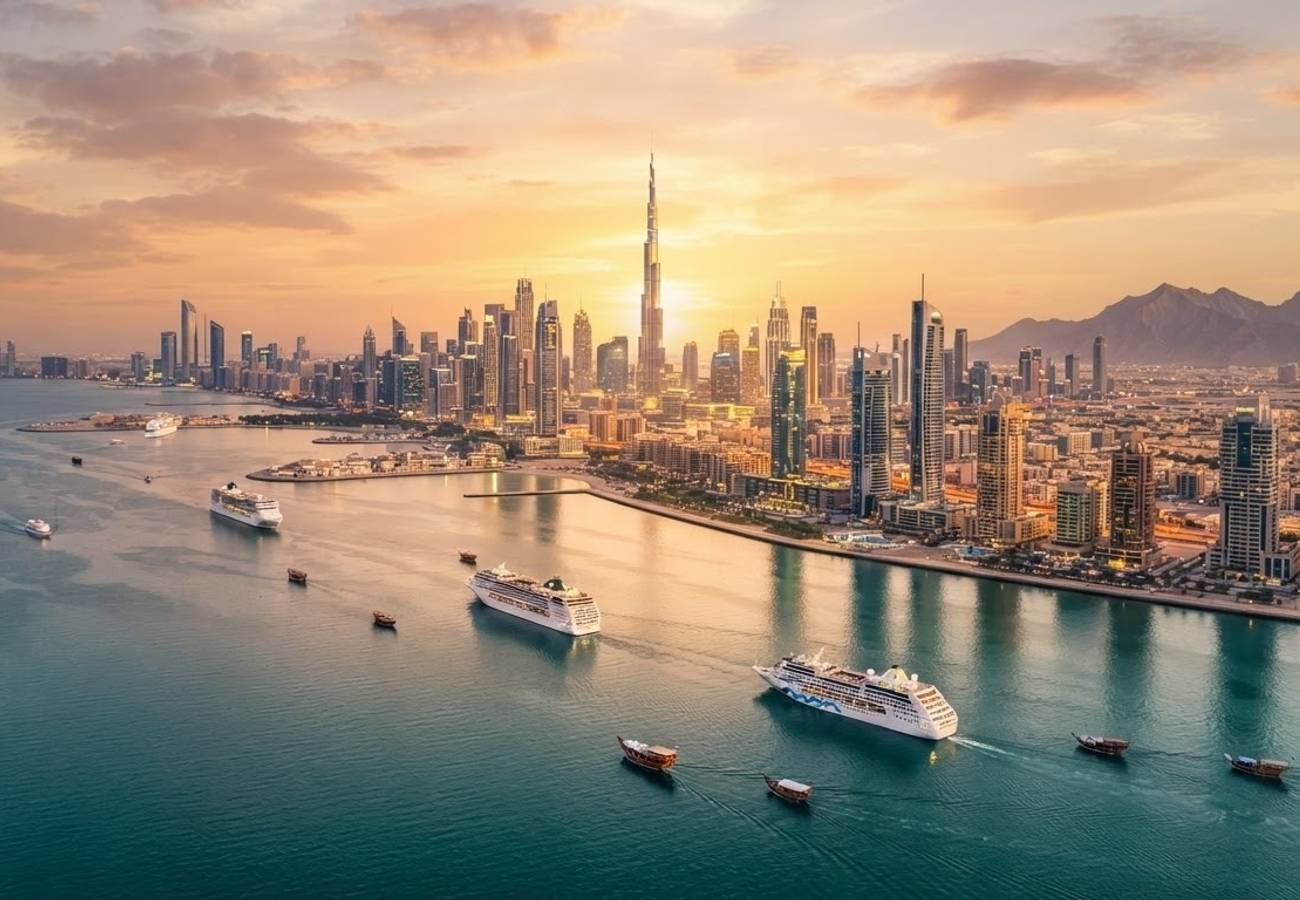
Image generated by AI
A proposed joint shipping corridor and mine-clearing initiative between Oman and Iran could trigger a massive rebound in regional travel confidence and energy trade stability.
The Strait of Hormuz, the world's most critical maritime artery for energy, is the focus of a new strategic framework between Oman and Iran. This agreement aims to establish a temporary joint navigation corridor and a coordinated effort to remove mines from the waterway. While the immediate goals are commercial and security-based, the ripple effects are expected to transform the tourism economies of Saudi Arabia, the UAE, Qatar, and beyond.
The Local Trend: From Security Corridor to Tourism Catalyst
The shift toward a structured maritime agreement marks a transition from reactive security measures to proactive economic diplomacy. For the visitor, the real impact is the removal of the "risk premium" associated with traveling to the Gulf. When maritime routes are perceived as secure, it doesn't just stabilize oil prices—it stabilizes the travel industry.
Oman is positioning itself as the primary bridge-builder in this arrangement. By leveraging its geographical position, Oman expects to see a direct increase in port activity and coastal tourism. Similarly, Iran stands to benefit from a shift in global perception, potentially opening its historical cities and cultural landmarks to a broader international audience as regional tensions ease.
Regional Impact and Economic Value
Saudi Arabia and Vision 2030
While Saudi Arabia does not manage the Strait of Hormuz directly, its economic trajectory is inextricably linked to regional stability. The Kingdom is currently pouring billions into luxury resorts, heritage sites, and religious tourism. A secure maritime environment acts as a force multiplier for these investments, ensuring that international visitors feel safe exploring the expansive goals of Vision 2030.
The UAE's Hub Strategy
The United Arab Emirates, specifically Dubai and Abu Dhabi, operates as a global nexus for aviation and luxury travel. The proposed stability in the Strait is expected to fuel a specific surge in cruise tourism. With safer waters, operators are more likely to expand multi-stop itineraries that link the UAE with Oman, Qatar, and Bahrain, creating a seamless "Gulf Circuit" for high-net-worth travelers.
Qatar, Bahrain, and Kuwait
For Qatar, the benefit is twofold: strengthened energy export security and a more attractive profile for business travel and major international events. Smaller economies like Bahrain and Kuwait will likely see an uptick in regional visitor movement and increased hospitality investment as the general atmosphere of the Gulf shifts toward cooperation.
Visitor Insider Tips for the Gulf Region
For those planning to visit these emerging hubs during this period of transition, keep these local insights in mind:
- The Multi-Country Loop: Rather than picking one city, plan a "Gulf Circuit." Combine the futuristic architecture of Dubai with the rugged mountains of Oman and the emerging luxury districts of Saudi Arabia.
- Off-Peak Window: Visit between November and March. The climate is mild, and this window aligns with the majority of regional cultural festivals and maritime events.
- Cultural Etiquette: When visiting heritage sites in Oman or Saudi Arabia, dress modestly. In rural areas, it is customary to accept coffee (gahwa) and dates as a sign of hospitality; refusing can be seen as impolite.
- Hidden Gem: Explore the Musandam Peninsula in Oman. It offers some of the most stunning fjord-like landscapes in the region and is a prime spot for dhow cruises.
Tourism Outlook: Long-Term Trajectory
The long-term success of this maritime framework will likely redefine the Middle East's image from a zone of geopolitical tension to a corridor of economic connectivity. If the joint navigation corridor remains stable, we can expect a permanent increase in cruise ship berths and a rise in "slow travel" options across the Arabian Peninsula.
Beyond the Gulf, the stability of the Strait of Hormuz provides a psychological safety net for travelers from India, China, Japan, and Europe. As energy markets stabilize and shipping uncertainty drops, the appetite for long-haul journeys to the Middle East is projected to grow.
The transition from maritime security to tourism prosperity marks a new chapter for Gulf diplomacy.
Related Travel Guides
Disclaimer
This article is for informational and educational purposes only. It does not constitute legal, financial, or professional advice. While we strive to provide accurate and up-to-date information, travel policies, regulations, and conditions change rapidly. Always verify information with official sources before making travel decisions. Nomad Lawyer makes no representations about the accuracy, reliability, completeness, or suitability of the information provided. Readers should consult qualified professionals for advice specific to their circumstances. The views expressed in this article are those of the author and do not necessarily reflect the views of Nomad Lawyer.
Preeti Gunjan
Contributor & Community Manager
A passionate traveller and community builder. Preeti helps grow the Nomad Lawyer community, fostering engagement and bringing the reader experience to life.
Learn more about our team →