
Saudi Arabia Tourism Hits $178 Billion GDP and Raises 2030 Visitor Target to 150 Million
Saudi Arabia has surpassed its original Vision 2030 goals, recording 122.6 million overnight visitors in 2025 and expanding its tourism GDP to $178 billion.

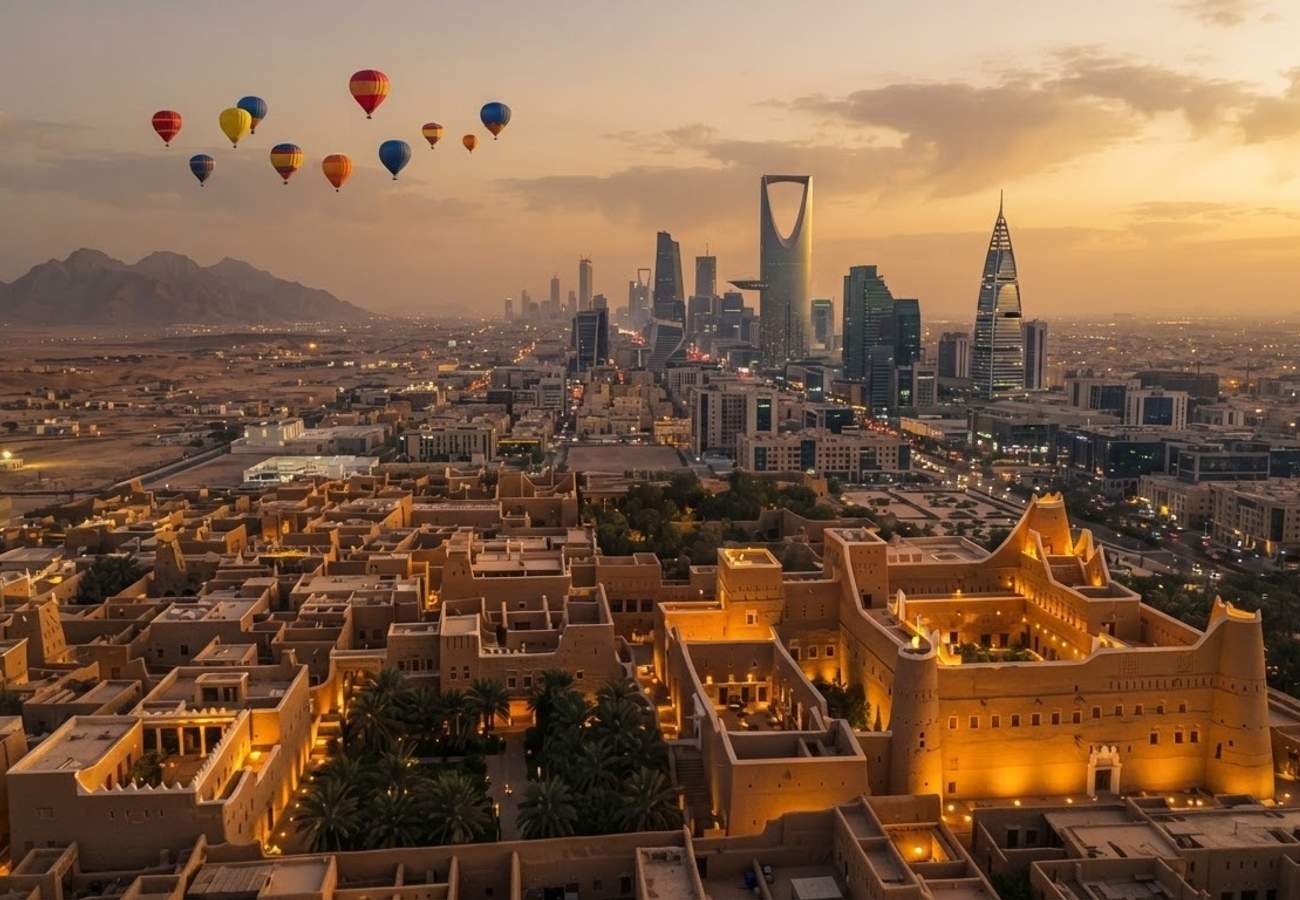
Image generated by AI
Saudi Arabia has shattered its initial tourism projections, recording 122.6 million overnight visitors in 2025 and contributing a massive $178 billion to its national GDP. This surge has prompted the Kingdom to aggressively increase its Vision 2030 target from 100 million to 150 million annual visitors.
The Kingdom is no longer simply planning for a tourism boom; it is currently experiencing one. Recent data indicates that Saudi Arabia has emerged as the dominant travel and tourism economy in the Middle East, leveraging a mix of high-end luxury developments, cultural heritage sites, and a strategic pivot toward data-driven visitor acquisition.
Middle East Tourism Leadership and Economic Growth
The economic footprint of the Saudi travel sector has expanded at a rate that significantly outpaces global averages. According to research from the World Travel & Tourism Council (WTTC) released in 2026, the sector contributed $178 billion to the GDP in 2025. This figure represents approximately 46% of the entire Middle East's travel and tourism economy.
While the global travel and tourism sector grew by 4.1% during the same period, Saudi Arabia's sector surged by 7.4%. This growth is not limited to volume but extends to value; international visitor spending climbed by 8.2%, and spending related to business travel saw a dramatic increase of over 55%.
Accelerating International Arrival Rates
The growth in international arrivals has been a primary driver of this expansion. Reports from the Saudi Tourism Authority show that international tourist numbers have grown by 69% compared to 2019 levels, a growth rate that currently leads the G20 nations.
The OECD confirms that the Kingdom welcomed 122.6 million overnight visitors in 2025. Because this milestone was achieved three years running, the government has officially shifted its ambitions. The original goal of 100 million visitors by 2030 has been replaced by a new, more aggressive target of 150 million annual tourists.
Data-Driven Strategy via Mastercard Partnership
To reach the 150-million-visitor mark, the Saudi Tourism Authority is integrating advanced predictive analytics into its marketing and operational strategies. In August 2026, a strategic collaboration with Mastercard was launched to refine how the Kingdom attracts travelers from priority global markets.
This partnership utilizes the Mastercard Economics Institute to analyze:
- Specific visitor segmentation and spending habits.
- Emerging travel trends and predictive movement patterns.
- The measurable impact of major events on tourism flow.
- Customized cultural experiences delivered through the Priceless platform.
For the traveler, this means a shift toward hyper-personalized tourism. Rather than generic campaigns, visitors can expect offerings tailored to their specific spending profiles and interests.
Diversifying the Luxury and Cultural Portfolio
The Kingdom is moving away from a reliance on religious tourism alone, though Mecca and Medina remain foundational pillars of the visitor economy. The current expansion focuses on "destination clusters" that blend luxury with heritage.
The Red Sea project is the cornerstone for coastal luxury, targeting high-net-worth travelers seeking secluded, eco-conscious escapes. Simultaneously, AlUla has become a global hub for archaeological and desert tourism, offering a blend of ancient history and high-end hospitality.
In urban centers, Diriyah is being developed as a primary cultural destination, centered on the historic At-Turaif district. This strategy ensures that the Kingdom offers a diverse portfolio—ranging from coastal resorts to desert landscapes and historic city centers—encouraging longer stays and repeat visits.
Global Events as Catalysts for Long-Term Growth
Saudi Arabia is positioning itself as a global event hub to ensure a steady stream of international arrivals. The upcoming Expo 2030 and the FIFA World Cup 2034 are expected to act as massive catalysts, bringing millions of first-time visitors to the region.
Industry observers suggest these events will serve as "entry points," introducing global audiences to the Kingdom's infrastructure. The goal is to convert short-term event attendees into long-term leisure tourists who explore the broader network of sites beyond the stadiums and exhibition halls.
Infrastructure and Aviation Connectivity
To support 150 million visitors, the Kingdom is aggressively expanding its transport networks. Riyadh and Jeddah continue to serve as the primary international gateways, but there is an increasing focus on improving direct connectivity to secondary hubs like AlUla and the Red Sea coast.
The objective is to transition from a "single-city" visit to a multi-destination itinerary, allowing travelers to move seamlessly between urban centers, heritage sites, and luxury resorts.
Saudi Tourism Performance Metrics
| Metric | 2025 Figure / Status | Growth/Target |
|---|---|---|
| Travel & Tourism GDP | $178 Billion | 7.4% Annual Growth |
| Overnight Visitors | 122.6 Million | Exceeded 100M Goal |
| Intl. Visitor Growth | 69% (vs 2019) | G20 Leader |
| Business Travel Spend | Increased > 55% | Rapid Corporate Expansion |
| 2030 Visitor Target | 150 Million | Revised Upward from 100M |
| Regional GDP Share | 46% of Middle East | Largest in Region |
Why This Matters: The Shift in Global Travel Dynamics
For the international traveler and the digital nomad, this transformation signifies a fundamental shift in the Middle East's accessibility. The move from a closed economy to a data-driven tourism powerhouse means that the "barrier to entry" is disappearing.
From a logistical standpoint, the integration of Mastercard's predictive data suggests that visa processes and tourist services will become increasingly frictionless. For the luxury traveler, the development of the Red Sea and AlUla creates a viable alternative to traditional hubs like Dubai or the Maldives.
Most importantly, the aggressive target of 150 million visitors indicates that Saudi Arabia is not just seeking "numbers," but is investing in the infrastructure—aviation, hotels, and digital services—necessary to sustain that volume. This creates a more stable and predictable environment for international investors and high-end tour operators.
The Kingdom's transition from a regional player to a global tourism titan is now a matter of documented data rather than future projection.
Related Travel Guides
Disclaimer
This article is for informational and educational purposes only. It does not constitute legal, financial, or professional advice. While we strive to provide accurate and up-to-date information, travel policies, regulations, and conditions change rapidly. Always verify information with official sources before making travel decisions. Nomad Lawyer makes no representations about the accuracy, reliability, completeness, or suitability of the information provided. Readers should consult qualified professionals for advice specific to their circumstances. The views expressed in this article are those of the author and do not necessarily reflect the views of Nomad Lawyer.
Kunal K Choudhary
Co-Founder & Contributor
A passionate traveller and tech enthusiast. Kunal contributes to the vision and growth of Nomad Lawyer, bringing fresh perspectives and driving the community forward.
Learn more about our team →