
Saudi Arabia Tightens Makkah Entry Rules Ahead of Hajj 2026
Saudi Arabia has suspended Umrah permits and enforced strict Makkah entry restrictions from mid-April through May 2026 to manage pilgrim capacity before Hajj season, requiring travelers to schedule trips earlier.

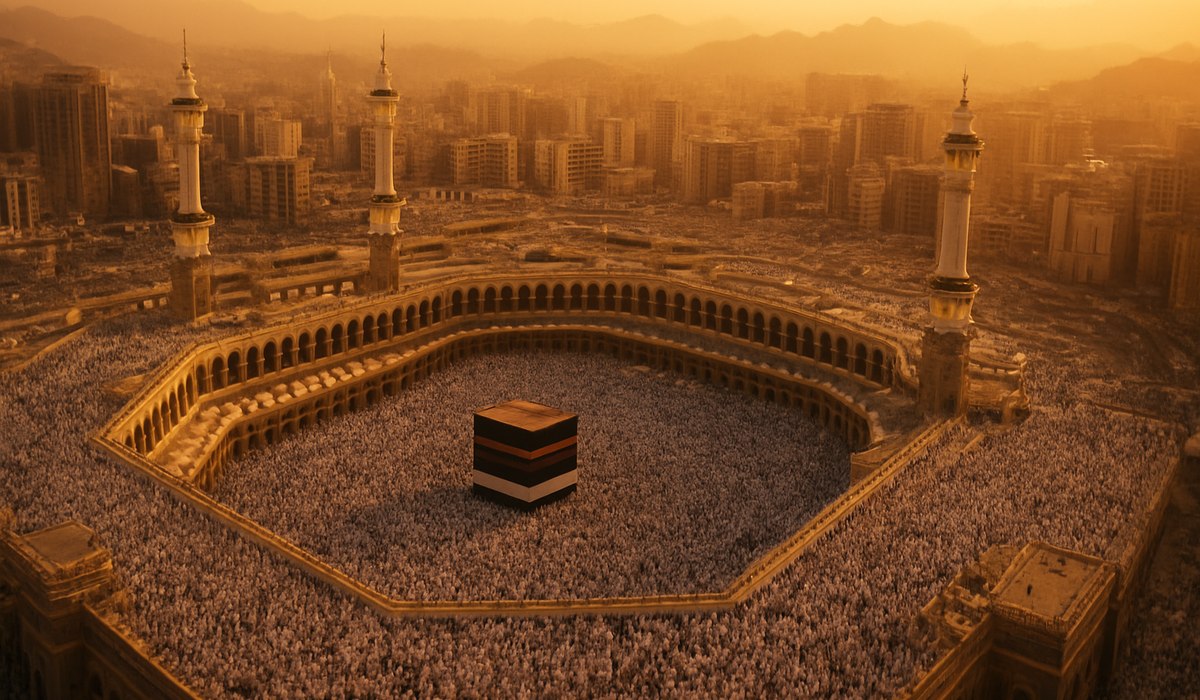
Image generated by AI
Saudi Arabia Tightens Entry Controls to Makkah Ahead of Hajj 2026
Saudi Arabia has implemented sweeping entry restrictions and temporarily suspended Umrah permit issuance from mid-April through the end of May 2026 to regulate pilgrim flows before the annual Hajj season. Non-Hajj visitors and most international pilgrims must vacate Makkah by April 18, while new arrivals face near-total entry bans during the restricted window. The policy shift forces travelers planning Makkah visits to reschedule trips to earlier months or risk missing access to Islam's holiest city during peak travel season.
Who Qualifies for Makkah Entry During Restrictions?
Access to Makkah during the April 18–May 31 restricted period is limited to five categories of travelers:
Hajj visa holders with valid permits issued by Saudi authorities qualify for unrestricted entry and movement throughout the holy city and surrounding pilgrimage zones. Pilgrims holding confirmed Hajj bookings registered through the Nusuk platform maintain full access to accommodation, transportation hubs, and ritual sites.
Makkah residents with officially registered national identity cards or valid Saudi residency permits issued in the city retain movement rights. Local workers employed at holy sites or in Makkah municipal positions are exempt from entry restrictions via work authorization documentation.
Approved work permit holders employed in essential services—healthcare, security, hospitality, and mosque operations—may enter using employer-verified credentials linked to the Nusuk digital platform. This category includes both Saudi citizens and expatriate workers.
All other visa categories including tourist visas, standard visit visas, and business visas face entry denial during the restricted window. Saudi Arabia tightens these rules to prevent congestion and ensure infrastructure capacity for the massive Hajj influx expected in June 2026.
New Cut-Off Dates and Visa Rules for Makkah Access
The entry restrictions operate on two critical deadlines that reshape travel planning for 2026.
April 18, 2026 marks the mandatory departure date for most Umrah pilgrims and non-Hajj visitors. Any traveler without a confirmed Hajj permit or Makkah residency must leave the city by midnight on this date or face visa status violations. Airlines and transport providers have been notified to cease most non-Hajj tourist traffic into Makkah beginning April 17.
May 31, 2026 closes the restricted entry period, though full normalization of Umrah permits and casual visitor access may not resume until after Hajj concludes in early July 2026. Early summer travel to Makkah is not currently recommended pending official guidance.
International pilgrims planning Makkah trips must book travel exclusively during January through early April 2026. Tour operators report that February and March slots are filling rapidly as travelers adjust to the new restrictions. The policy effectively compresses the annual Umrah season into a five-month window rather than the traditional year-round schedule.
For residents elsewhere in Saudi Arabia, travel to Makkah during the restricted period requires advance entry permits obtained through local government channels. Digital applications through municipality portals must be submitted at least 15 days before intended travel. Family visits and non-essential travel are discouraged during this window through official advisories distributed via SMS and WhatsApp.
Entry Restrictions by Visa Category and Residency Status
Specific visa types face varying restrictions based on Saudi Arabia's tiered access framework:
Standard visit and tourist visas are completely barred from Makkah entry between April 18 and May 31. Travelers holding these visa categories should cancel or reschedule bookings during this period. No exceptions are granted for short-term visits or last-minute travel requests.
Business visas tied to Jeddah, Riyadh, or Dammam remain valid for those cities but do not authorize Makkah access during restrictions. Business travelers cannot extend trips to include holy city tourism during the blackout window.
Expatriate work permits renewed through 2026 contain coded restrictions flagging individual movement boundaries. Some employment categories maintain unrestricted access to Makkah, while others—particularly temporary or seasonal workers—face entry denial matching the tourist restrictions. Employers must verify individual codes through the Ministry of Human Resources portal.
Hajj-specific pilgrimage visas supersede all other restrictions and remain valid for 14 days from entry, allowing pilgrims to arrive up to two weeks before Hajj rituals begin on June 15, 2026. These permits are non-transferable and linked to individual digital identity records.
Saudi citizens and GCC nationals (holders of Gulf Cooperation Council residency) face reduced but not eliminated restrictions. Citizens may enter Makkah with minimal documentation, though domestic entry permits become mandatory for those residing in other regions. GCC nationals require visa-like authorization similar to other international visitors.
The restrictions apply equally to both first-time and repeat visitors—no exemptions are granted based on travel history.
Suspension of Umrah Permits to Ease Congestion
The temporary halt on new Umrah permits represents the centerpiece of Saudi Arabia tightens policies for 2026. Effective April 15, the Nusuk platform ceased issuing fresh time slots, accommodation packages, and entry authorizations for independent Umrah pilgrims. Only pre-approved bookings made before the suspension date remain valid, provided travelers complete their visit and depart by April 18.
Congestion management drove this decision. Previous Hajj seasons experienced severe bottlenecks when late-arriving Umrah pilgrims overlapped with early Hajj movement logistics. Grand Mosque capacity is restricted to approximately 2 million worshippers daily during Hajj, and operational planners determined that non-Hajj traffic during April-May creates unmanageable strain.
Travel agencies are responding by aggressively marketing Umrah packages for February and March 2026, offering discounted rates to shift demand away from the blackout window. Industry data suggests 60-70% of annual Umrah bookings now concentrate in the first quarter rather than distributed throughout the year.
Permitted travelers already holding confirmed Umrah bookings enjoy unchanged access to Grand Mosque and other holy sites until their departure deadline. Late extensions or permit modifications are not available after April 15, even for medical emergencies, as the system has been locked to prevent new entries.
Technology-Driven Permits and Digital Identity Systems
Saudi Arabia tightens entry enforcement through the Nusuk digital platform, which now serves as the primary gateway for all Makkah movement permissions. Every pilgrim, resident, and worker requires authenticated digital credentials stored in centralized government databases and verified at entry checkpoints via QR codes and biometric scanners.
Hajj pilgrims receive Nusuk-issued digital identity cards linked to their accommodation, transportation permits, and daily movement schedules across Mina, Arafat, and Muzdalifah. These cards cannot be shared, transferred, or used by alternate individuals—biometric verification at checkpoints prevents proxy access.
Work permits for site employees are now issued exclusively through digital channels, eliminating paper documentation and reducing fraud. Security personnel at Makkah's 42 designated entry checkpoints scan credentials against real-time databases, with results updated every 60 seconds to prevent unauthorized entry by suspended or expired permits.
International pilgrims benefit from integrated health and visa data stored within Nusuk, reducing processing delays and enabling predictive crowd management. Officials can track real-time occupancy levels in specific zones of the Grand Mosque and adjust entry flows accordingly, improving safety and reducing crush-incident risks.
For travelers, maintaining updated
Disclaimer
This article is for informational and educational purposes only. It does not constitute legal, financial, or professional advice. While we strive to provide accurate and up-to-date information, travel policies, regulations, and conditions change rapidly. Always verify information with official sources before making travel decisions. Nomad Lawyer makes no representations about the accuracy, reliability, completeness, or suitability of the information provided. Readers should consult qualified professionals for advice specific to their circumstances. The views expressed in this article are those of the author and do not necessarily reflect the views of Nomad Lawyer.
Preeti Gunjan
Contributor & Community Manager
A passionate traveller and community builder. Preeti helps grow the Nomad Lawyer community, fostering engagement and bringing the reader experience to life.
Learn more about our team →