
Travel Bahrain Joins 31+ Nations: Hotels Face Severe Booking Crisis
Travel Bahrain joins 31 nations hit by UK travel restrictions and airspace closures in March 2026, triggering unprecedented hotel cancellations across Middle East and Central Asia.

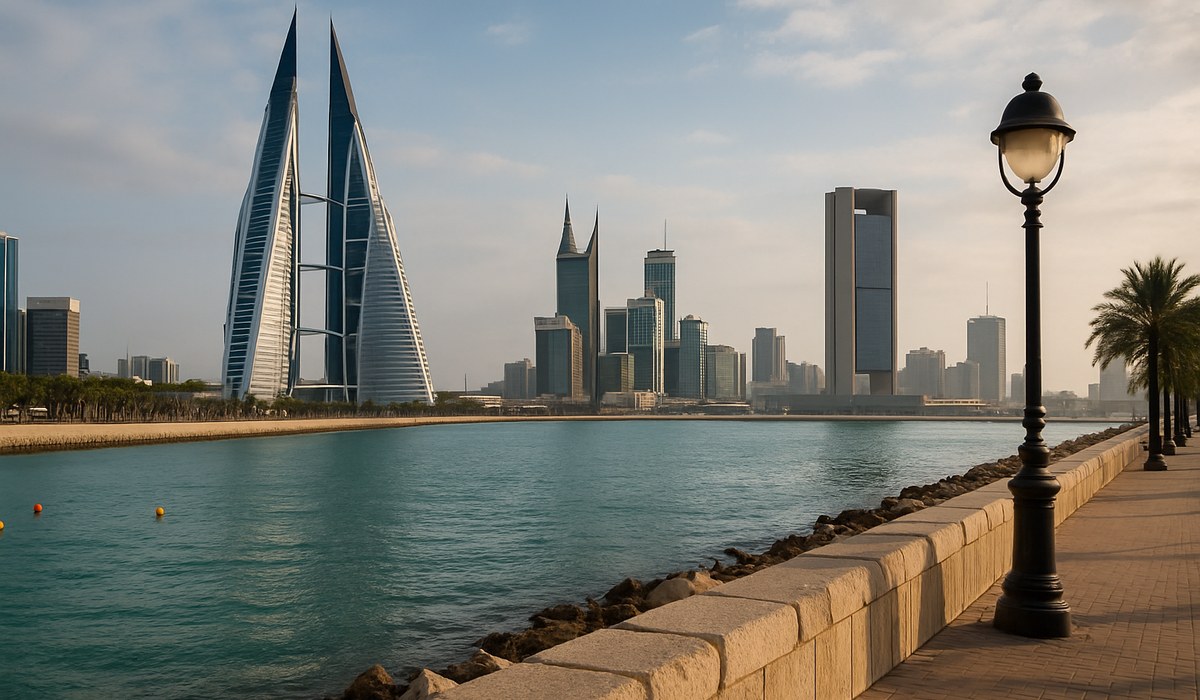
Image generated by AI
Quick Summary • Bahrain, UAE, Saudi Arabia, Jordan, Turkey, Azerbaijan, India and 25 additional countries face UK 'Do Not Travel' advisories and coordinated airspace shutdowns • Hotel operators across the Middle East and Central Asia report wave of spring cancellations threatening Q2 revenue projections • Major international chains activate crisis protocols as geopolitical tensions between Iran, United States and Israel disrupt regional aviation infrastructure • Industry analysts warn of potential 40-60% occupancy declines in affected destinations through summer 2026
Hotel operators from Bahrain to Turkey are confronting their most severe booking crisis in years as sweeping UK travel advisories and airspace shutdowns across the Middle East and Central Asia threaten to erase millions in spring revenue. The coordinated restrictions, affecting thirty-one nations simultaneously, represent an unprecedented challenge for hospitality businesses that had finally recovered from pandemic-era disruptions.
The crisis intensified following escalating military tensions involving Iran, the United States, and Israel, prompting aviation authorities across multiple jurisdictions to implement immediate airspace closures. British Foreign Office officials issued stringent warnings against all travel to the affected regions, triggering contractual force majeure clauses and cancellation cascades throughout the global hotel distribution ecosystem.
Properties in financial hubs including Dubai, Abu Dhabi, and Manama are experiencing the sharpest immediate impact, with corporate travel bookings—which typically account for 35-45% of weekday occupancy—evaporating within 72 hours of the advisory announcements. Leisure-focused resorts in Jordan and Turkey report similar distress, as European tour operators suspend package programmes through at least June 2026.
Hotel Industry Faces Immediate Revenue Impact Across Affected Regions
Revenue managers at properties spanning from Bahrain's luxury waterfront developments to Azerbaijan's business hotels are recalculating financial projections as cancellation notifications flood central reservation systems. The timing proves particularly devastating, coinciding with the traditionally robust spring travel season when advance bookings typically secure 60-75% of available inventory.
According to STR's latest Middle East hotel performance data, regional occupancy rates had been tracking 8.2% ahead of 2025 benchmarks before the restrictions took effect. Industry analysts now project potential declines of 40-60% across affected markets, with revenue per available room metrics facing even steeper contractions due to distressed pricing strategies.
Independent boutique properties face disproportionate vulnerability compared to internationally backed hotel chains. Smaller operators lack the capital reserves and geographic diversification to absorb prolonged occupancy shocks, raising concerns about potential property closures or distressed asset sales before peak summer season arrives.
Hotels in Saudi Arabia report particularly acute challenges as the Kingdom's ambitious tourism development initiatives—designed to attract 150 million annual visitors by 2030—encounter their first major external stress test. Properties that had aggressively expanded capacity based on Vision 2030 projections now confront the prospect of operating with single-digit occupancy percentages through second quarter 2026.
Financial strain extends beyond room revenue losses. Food and beverage operations, spa facilities, and ancillary services that depend on guest volumes are implementing staff furloughs and reducing operating hours. Conference centers in Dubai and Abu Dhabi have postponed or relocated major events, compounding revenue shortfalls across multiple business segments.
Airspace Closures Disrupt International Chains and Independent Properties
The coordinated airspace restrictions have severed critical aviation links connecting European source markets to hotel properties throughout the affected corridor. Major carriers suspended service on over 200 routes, eliminating the physical infrastructure necessary for guest arrivals regardless of individual traveler willingness to visit.
Properties serving as airline crew accommodation—a typically stable revenue stream—are experiencing contract suspensions as carriers reroute operations away from restricted airspace. This secondary impact eliminates what had been considered recession-resistant business for hotels near international airports in Istanbul, Dubai, and New Delhi.
Turkey's hotel sector faces compounded pressure from both the UK advisory and its geographic position along flight corridors that airlines now actively avoid. Properties in Antalya and Istanbul that depend heavily on British holidaymakers—who represented 18% of Turkey's foreign visitors in 2025—are witnessing forward bookings collapse through autumn 2026.
Azerbaijan's emerging hospitality market, which had been cultivating international recognition through recent development projects, faces setbacks to its destination marketing investments. Hotels in Baku report corporate clients indefinitely postponing business conferences and energy sector meetings that had driven weekday demand.
Jordan's heritage tourism properties, particularly those serving as gateways to Petra and Wadi Rum, confront existential threats as specialized tour operators cancel entire seasonal programmes. These hotels often operate with thin margins during the best circumstances, leaving little buffer to withstand extended demand disruptions.
India's diverse hotel landscape—spanning from Mumbai's business hotels to Kerala's resort properties—experiences varying impact levels based on guest composition. Properties heavily dependent on UK and European travelers face immediate distress, while those serving domestic and regional Asian markets maintain more stable performance.
Strategic Response: How Hotels Are Managing Cancellations and Refunds
Major international hotel operators have activated contingency frameworks developed during previous crisis periods, though the scale and geographic breadth of this disruption exceeds most planning scenarios. American Hotel & Lodging Association crisis management protocols are being adapted for implementation across affected Middle Eastern and Asian properties.
Leading chains are implementing flexible rebooking policies that extend beyond standard force majeure provisions, recognizing that customer retention during this crisis will determine competitive positioning when markets eventually stabilize. Properties are offering penalty-free cancellations with extended rebooking windows through 2027, attempting to preserve customer relationships despite immediate revenue sacrifices.
Revenue management teams are deploying dynamic pricing algorithms to capture any remaining demand from travelers exempt from or willing to disregard official advisories. However, these strategies risk brand dilution if rate reductions become too aggressive or create guest mix concerns.
Some operators are pivoting toward domestic and regional travelers less affected by UK advisories or European airspace considerations. Hotels in the UAE and Saudi Arabia are intensifying marketing toward GCC residents, while Turkish properties are emphasizing domestic holiday packages to offset international cancellations.
The UK's expanded 'Do Not Travel' warnings affecting 52 nations compound strategic challenges, as many properties face simultaneous restrictions across multiple source markets. This forces hotels to develop increasingly sophisticated market segmentation strategies to identify viable demand pockets.
Properties are also scrutinizing operational costs with unprecedented intensity. Non-essential capital projects are being deferred, discretionary spending eliminated, and workforce levels adjusted to match dramatically reduced occupancy projections. Some hotels are considering temporary closures of entire floors or property wings to concentrate remaining guests and reduce utility costs.
Long-Term Implications for Middle East and Central Asian Hospitality Markets
The current crisis accelerates pre-existing questions about tourism development strategies in geopolitically volatile regions. Hotel investors and developers who had committed capital based on optimistic growth projections are reassessing fundamental assumptions about risk-adjusted returns in affected markets.
Scheduled hotel openings throughout 2026 face potential delays as investors demand renegotiated terms or additional security provisions before releasing construction financing. This could constrain supply growth precisely when markets eventually recover, potentially triggering future capacity shortages and rate inflation.
The disruption may permanently alter source market diversification strategies for Middle Eastern destinations. Properties are likely to reduce dependence on any single geographic feeder market, even if that requires accepting lower average daily rates from more diverse guest compositions.
At the same time, hotels in markets like Croatia's stricter visitor regulations are watching carefully, recognizing that European alternatives may capture market share from travelers seeking Mediterranean experiences without geopolitical complications. This competitive dynamic could reshape long-term destination preferences.
Industry leadership groups convening at events such as the upcoming global hospitality summit at IHIF Berlin are expected to prioritize crisis resilience frameworks and political risk mitigation strategies in their programme agendas. The consensus is emerging that geopolitical volatility represents a permanent operational variable rather than an exceptional circumstance.
Insurance and risk transfer mechanisms are being fundamentally reconsidered. Many hotels discovered that standard policies exclude losses from government travel advisories or airspace restrictions, leaving properties financially exposed. This will likely drive demand for specialized political risk and business interruption coverage, increasing operating costs even after the current crisis resolves.
Hotel management contracts and franchise agreements are being scrutinized for provisions addressing prolonged force majeure scenarios. Property owners are seeking greater clarity on performance guarantees, fee structures, and exit rights when external factors beyond operator control devastate financial performance.
FAQ: What Hotel Guests and Industry Professionals Need to Know
Are hotels in affected countries legally required to offer full refunds?
Contractual obligations vary significantly based on booking channel, rate type, and specific terms accepted at reservation. Most major chains are voluntarily offering flexible cancellation policies despite potential contractual rights to retain prepayments. Guests should contact properties directly or work through their booking platform to understand specific options. Travel insurance policies may provide additional recovery mechanisms depending on coverage terms.
Can hotels remain financially viable with occupancy rates below 20%?
Most full-service hotels require 40-50% occupancy to cover fixed operating costs before generating profit. Extended periods below breakeven thresholds force difficult decisions about temporary closures, staff reductions, or distressed asset sales. Limited-service properties have lower breakeven points but still face severe pressure. Government support programs and lender forbearance will likely determine how many properties survive intact.
What safety protocols should hotels communicate to guests who choose to travel despite advisories?
Properties should provide transparent information about local security situations without creating unnecessary alarm. This includes sharing WHO's current travel health advisories, coordinating with local embassy contacts, establishing communication protocols for emergencies, and ensuring staff training on crisis response procedures. Hotels have duty-of-care obligations that extend beyond normal hospitality services during elevated risk periods.
How are hotel loyalty programs handling points and elite status during this crisis?
Major programs are generally extending expiration dates and waiving activity requirements for status qualification, recognizing that members physically cannot travel to many destinations. Specific policies vary by brand, so members should consult programme terms. Some chains are offering bonus points for rebooking cancelled trips to future dates as an incentive to maintain customer relationships.
Will hotel development projects in affected regions continue as planned?
Many projects already under construction will likely proceed to completion given sunk costs, though timelines may extend. New project launches face greater uncertainty as investors reassess risk-return profiles and financing sources become more selective. Markets with strong domestic demand fundamentals and government backing will fare better than those dependent primarily on international tourism flows.
Related Articles:
Disclaimer
This article is for informational and educational purposes only. It does not constitute legal, financial, or professional advice. While we strive to provide accurate and up-to-date information, travel policies, regulations, and conditions change rapidly. Always verify information with official sources before making travel decisions. Nomad Lawyer makes no representations about the accuracy, reliability, completeness, or suitability of the information provided. Readers should consult qualified professionals for advice specific to their circumstances. The views expressed in this article are those of the author and do not necessarily reflect the views of Nomad Lawyer.
Kunal K Choudhary
Co-Founder & Contributor
A passionate traveller and tech enthusiast. Kunal contributes to the vision and growth of Nomad Lawyer, bringing fresh perspectives and driving the community forward.
Learn more about our team →