
Saudi Arabia Launches One-Year Multiple-Entry Umrah Visa to Simplify Access for UK Pilgrims
Saudi Arabia introduces a 365-day multiple-entry Umrah visa allowing stays up to 90 days, offering UK pilgrims unprecedented flexibility for religious travel.

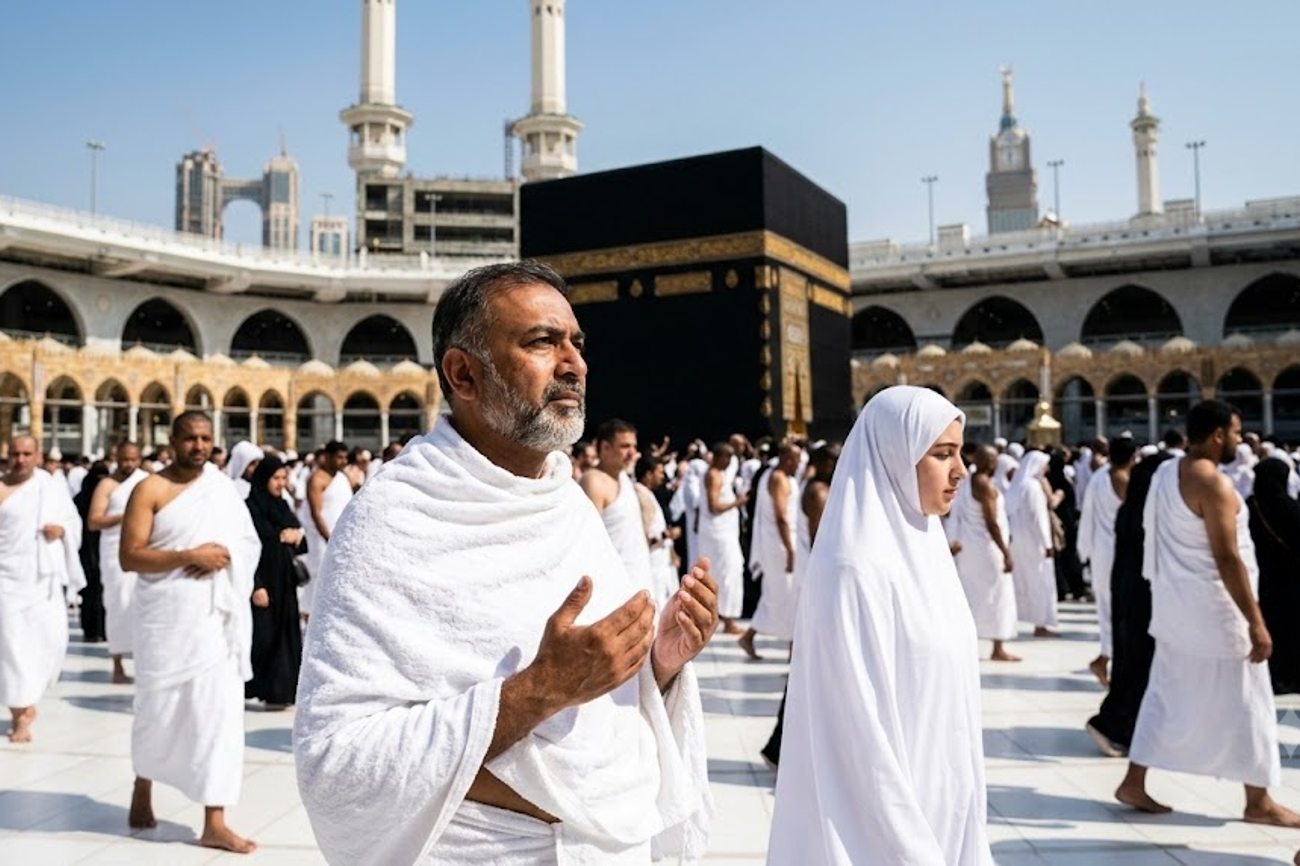
Image generated by AI
Riyadh, September 9, 2026 —
Saudi Arabia has fundamentally altered the landscape of religious travel by implementing a one-year multiple-entry Umrah visa. This new regulatory framework allows eligible international pilgrims, specifically those traveling from the United Kingdom, to enter the Kingdom multiple times within a 365-day window, provided their cumulative stay does not exceed 90 days. The initiative, spearheaded by the Saudi Ministry of Hajj and Umrah, is designed to streamline arrival processes and enhance the overall spiritual experience for millions of Muslims worldwide.
Modernizing the Pilgrimage Ecosystem
The shift toward a multiple-entry system marks a departure from the traditional single-journey visa models that previously dictated the timing and frequency of Umrah trips. Under the previous regime, pilgrims often faced the logistical burden of applying for new visas for every individual visit, which frequently clashed with professional obligations and family schedules.
By extending the validity period to a full year, the Saudi government is effectively decoupling the visa application process from the specific travel date. This allows frequent visitors to plan their spiritual journeys with greater spontaneity and less administrative friction. According to reports from the Saudi Press Agency (SPA), the primary objective is to improve operational efficiency while enriching the experience for those visiting the Two Holy Mosques.
This policy is not an isolated change but a core component of the Pilgrim Experience Programme. This program operates under the umbrella of Saudi Vision 2030, a comprehensive national blueprint aimed at diversifying the economy and upgrading the Kingdom's infrastructure to handle a massive increase in annual visitor numbers.
Technical Specifications of the 2026 Umrah Visa
The updated visa framework is designed for simplicity and digital integration. While the visa remains valid for a year, the strict limitation on the total duration of stay ensures that the system is used for its intended purpose of pilgrimage and short-term tourism rather than long-term residency.
The following table outlines the specific parameters of the new visa:
| Visa Feature | Details |
|---|---|
| Visa type | Multiple-entry Umrah visa |
| Validity period | 365 days from issuance |
| Maximum cumulative stay | Up to 90 days |
| Purpose | Umrah pilgrimage travel |
| Application route | Official Saudi visa channels |
Industry observers indicate that while the visa provides more freedom, it does not waive standard entry requirements. Travelers from the UK must still ensure their passports meet validity standards and adhere to the latest health and safety guidelines issued by Saudi authorities.
Strategic Impact on UK Pilgrimage Patterns
The United Kingdom represents a critical demographic for Saudi Arabia’s religious tourism sector. For British Muslims, the ability to enter the Kingdom multiple times within a year changes the financial and logistical calculus of performing Umrah.
Previously, the cost and time associated with repeated visa applications acted as a deterrent for those wishing to visit Makkah and Madinah more than once per year. The new 365-day validity period specifically benefits several key groups:
- Multi-Trip Families: Households that prefer to split their annual pilgrimages across different seasons or family groupings.
- Elderly Travelers: Pilgrims who may require shorter, more frequent trips to manage health or mobility challenges.
- Seasonal Visitors: Those who wish to perform Umrah during both the quieter months and the high-demand period of Ramadan without renewing their paperwork.
- Cultural Tourists: Travelers who intend to combine their spiritual duties with visits to the Kingdom's emerging tourism hubs.
Integrating Religious Duty with Cultural Tourism
The expansion of visa access is a calculated move to encourage "spiritual-plus" tourism. By making it easier to enter the country, Saudi Arabia is inviting pilgrims to explore the Kingdom's broader heritage beyond the religious centers of Makkah and Madinah.
Under the Vision 2030 strategy, the government is promoting a diversified tourism portfolio. Pilgrims utilizing the multiple-entry visa are now more likely to incorporate visits to:
- AlUla: Exploring the ancient archaeological landscapes and Nabataean tombs.
- Jeddah: Visiting the historic Al-Balad district and the Red Sea coast.
- Riyadh: Engaging with the capital's modern cultural attractions and museums.
- Madinah: Deepening their understanding of early Islamic history through various historic sites.
This approach transforms the pilgrimage from a single-purpose trip into a broader exploration of Saudi Arabian culture and history, thereby increasing the average spend and duration of stay for international visitors.
Why This Matters: The Traveler's Perspective
For the average traveler, this policy shift removes the "visa anxiety" that often accompanies international religious travel. From a logistical standpoint, the transition to a one-year validity period means that a sudden window of availability in a work schedule can now be converted into a spiritual journey without waiting for visa processing times.
Furthermore, this creates a more sustainable travel pattern. Instead of one long, exhausting trip, pilgrims can opt for shorter, more frequent visits, reducing the physical strain on elderly travelers and allowing for a more reflective spiritual experience. Legally, the cumulative 90-day limit provides a clear boundary, ensuring that the visa remains a tool for tourism and worship rather than a loophole for unauthorized employment.
The integration of these visas into official digital channels also means that the "paper trail" of pilgrimage is disappearing, replaced by seamless digital authorizations that can be managed via smartphone, aligning with the global trend toward paperless travel.
Related Travel Guides
Disclaimer
This article is for informational and educational purposes only. It does not constitute legal, financial, or professional advice. While we strive to provide accurate and up-to-date information, travel policies, regulations, and conditions change rapidly. Always verify information with official sources before making travel decisions. Nomad Lawyer makes no representations about the accuracy, reliability, completeness, or suitability of the information provided. Readers should consult qualified professionals for advice specific to their circumstances. The views expressed in this article are those of the author and do not necessarily reflect the views of Nomad Lawyer.
Kunal K Choudhary
Co-Founder & Contributor
A passionate traveller and tech enthusiast. Kunal contributes to the vision and growth of Nomad Lawyer, bringing fresh perspectives and driving the community forward.
Learn more about our team →