
Tourism Diplomacy: Saudi Arabia and GCC Focus on China Partnerships
Riyadh-based discussions between the GCC and China in August 2026 seek to strengthen travel corridors, visa systems, and tourism investment.

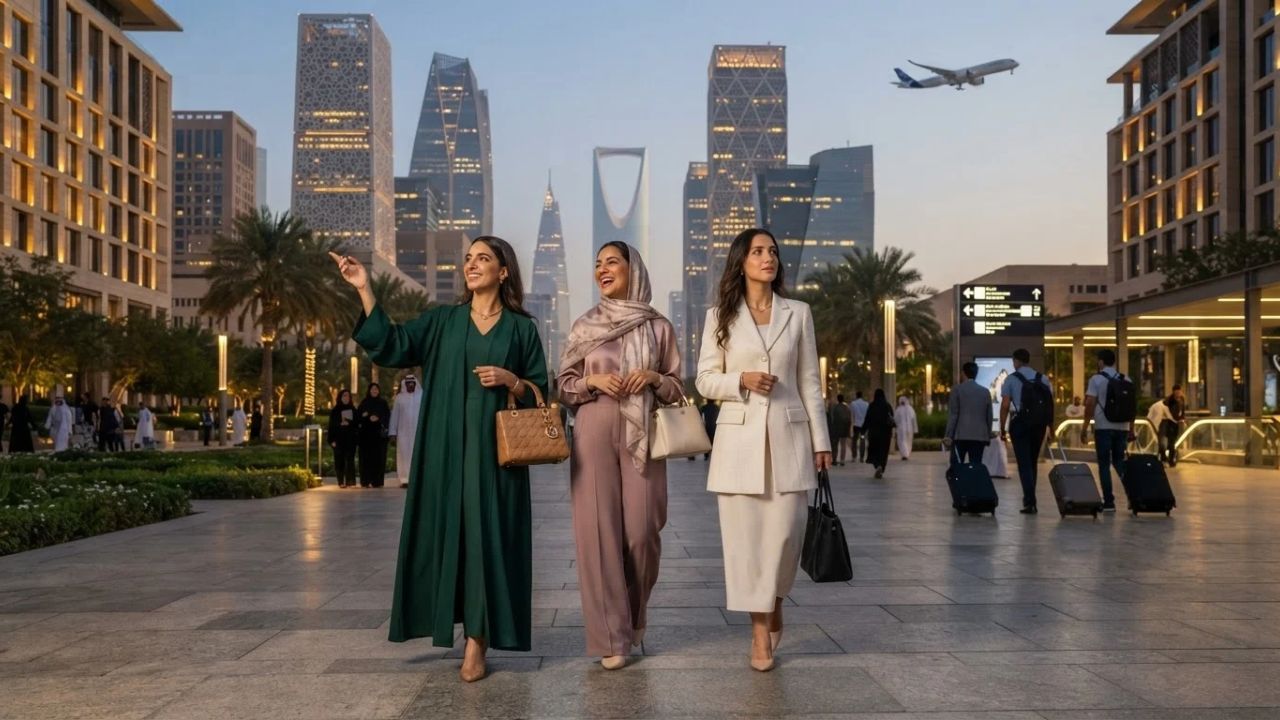
Image generated by AI
Riyadh-based discussions between the GCC and China in August 2026 seek to strengthen travel corridors, visa systems, and tourism investment. The Saudi Ministry of Tourism indicates that developing Sino-GCC partnerships supports economic resilience.
The Evolution of Tourism Diplomacy in the Gulf
A significant trend in Gulf economic planning is the deployment of tourism diplomacy to maintain international travel markets during periods of regional tension. Historically, destination marketing functioned independently of bilateral political frameworks, focusing primarily on consumer campaigns in Western markets. In 2026, GCC member states coordinate diplomatic dialogues with East Asian partners, using trade and travel corridors to secure long-term passenger demand and infrastructure investments.
By aligning tourism promotion with political and technology agreements, Gulf authorities aim to stabilize aviation routes and maritime access. This model supports regional hotels, retail hubs, and transport networks, creating a structured framework for market growth.
GCC-China Joint Action Plan and Policy History
The strategic partnership with China builds on several established agreements:
- Action Plan Period: The official GCC–China Joint Action Plan runs from 2023 to 2027, following the first China–GCC summit in Riyadh in December 2022.
- Sector Inclusion: Confirmed in May 2025, the joint plan explicitly includes tourism alongside cybersecurity, education, agriculture, and environmental cooperation.
- eVisa Access: Saudi Arabia’s tourist eVisa provides eligible Chinese passport holders with a one-year, multiple-entry visa allowing stays of up to 90 days.
- Host Cities: Riyadh will host major international meetings, including the sixth United Nations World Data Forum in November 2026.
These diplomatic frameworks establish formal mechanisms for technical meetings and tourism promotion.
Saudi Tourism Growth and Industry Scale
Official statistics from the Saudi Ministry of Tourism and GASTAT show the growing scale of the travel sector:
- Annual Tourists: Recorded approximately 116 million domestic and inbound tourists in 2024, representing growth of 6% from 2023.
- Inbound Arrivals: Contributed around 30 million visitors, with domestic travelers accounting for 86 million.
- Tourism Spending: Reached SAR283.8 billion in total 2024 expenditure, with inbound spending contributing SAR168.5 billion.
- Employment Count: Registered 983,253 workers in tourism activities in Q1 2025, up 4.1% from 944,299 in Q1 2024.
- Labor Mix: Saudi nationals represented 243,369 workers, while non-Saudis totaled 739,884. Tourism represents 5.4% of total economy employment and 8.1% of private-sector employment.
- Hospitality Metrics: Hotel room occupancy reached 63% in Q1 2025, up 2.1 percentage points from 60.9% in Q1 2024. Average daily rates were SAR477 (compared with SAR494 in Q1 2024).
- Establishment Expansion: Licensed accommodation establishments rose to 4,988 in Q1 2025, up from 2,802 in Q1 2024.
These metrics show that domestic demand provides a strong buffer when international corridors face volatility.
Maritime Cruise Corridors and Aviation Access
Security along key Gulf channels is essential for supporting multi-destination cruise and flight schedules:
- Strait of Hormuz Security: The International Maritime Organization (IMO) reported in July 2026 that hundreds of vessels and around 6,000 seafarers remained stranded in the Gulf, emphasizing maritime risks.
- Cruise Systems: The regional cruise network links ports in Dubai, Abu Dhabi, Doha, Bahrain, Muscat, Khasab, and the Red Sea.
- Aviation Pressures: Airspace monitoring and precautionary rerouting can increase fuel consumption and flight times, making bilateral aviation talks important.
- Chinese Services: Expanding Mandarin-language signs, digital payment compatibility, and targeted packages helps convert traffic rights into tourist arrivals.
These infrastructure connections support the recovery of maritime and air networks.
Saudi Arabia Tourism Industry Coordinates
The table below breaks down the key tourism indicators, spending figures, labor statistics, and coordinating bodies recorded on August 23, 2026:
| Industry Indicator | 2024 Annual Result | Q1 2025 Sector Result | Hospitality Occupancy | Licensed Establishments | Primary Coordinating Board |
|---|---|---|---|---|---|
| Total Tourists | 116 million (Up 6%) | 983,253 workers | 63% occupancy | 4,988 facilities | Saudi Ministry of Tourism |
| Inbound Count | 30 million visitors | Up 4.1% year on year | Up 2.1 percentage points | Up from 2,802 facilities | General Authority for Statistics |
| Total Spend | SAR283.8 billion | 243,369 Saudi workers | SAR477 average rate | Private-sector share: 8.1% | Secretariat General of the GCC |
These coordinates outline the indicators, results, occupancy levels, facilities, and boards established for the tourism sector.
Resource Stewardship and Eco-Focus
For the traveler, the benefit of choosing modern rail networks (such as the Haramain High-Speed Railway) is the reduction in carbon emissions compared to regional domestic flights. Utilizing electrified rail to travel between Jeddah, Makkah, and Medina supports low-impact pilgrimage transit.
Additionally, booking hotels that prioritize local hiring and source food from regional agricultural projects keeps travel revenue within host communities. Respecting local environmental codes in heritage sites like AlUla preserves archaeological landscapes.
For comparison, you can explore the changing dynamics of Stimulus Launch: Taiwan Unveils Billion-Dollar Repeat Visitor Rewards to see how destinations promote visitor spend. For transit updates, comparing travel scheduling matches other networks, such as Economic Policy: LNG Revenue Shock Challenges Qatar's Tourism Diversification updates. This trend is similar to the tourism growth seen in other destinations, as detailed in our guide on how Utica, New York Emerges as an Affordable Northeast Tourism Hub.
Visitor Insider Tips: Navigating Gulf Travel
If you are planning to travel to Saudi Arabia and the GCC, keep these practical tips in mind:
- Apply for the eVisa Online: If holding an eligible passport, apply via the official portal to secure your 90-day tourist entry in ahead of travel.
- Coordinate Multi-Destination Visas: Ensure you check entry rules for every country in your itinerary, as the GCC does not currently operate a single visa system.
- Monitor Flight Route Feeds: Use airline notification systems to stay informed about potential airspace rerouting or schedule changes.
- Check Cruise Itinerary Status: Reconfirm embarkation details directly with your cruise line, as security in the Strait of Hormuz can affect port calls.
- Pack for Regional Climates: If visiting mountain areas like Aseer, pack warm layers, as temperatures differ significantly from the desert plains.
Long-Term Outlook for GCC-China Tourism
The long-term outlook for transit in the Gulf is focused on deploying smart border-crossing gates, integrating digital payment networks with East Asian systems, and expanding direct airline capacity. As interest in cultural, business, and stopover travel remains strong, regional planning boards will cooperate to maintain secure transit infrastructure.
By protecting local heritage and supporting community markets, the tourism sector aims to build a sustainable destination network.
FAQ
How many tourists visited Saudi Arabia in 2024?
Saudi Arabia recorded approximately 116 million domestic and inbound tourists in 2024, representing growth of 6 percent from 2023.
What is the GCC-China Joint Action Plan?
It is a strategic cooperation framework running from 2023 to 2027 that covers multiple fields, including tourism, technology, and cybersecurity.
What are the terms of the Saudi tourist eVisa?
The eVisa is a one-year, multiple-entry visa allowing tourists to stay for up to 90 days for leisure, events, and Umrah.
How many workers are employed in Saudi tourism?
During the first quarter of 2025, there were 983,253 workers in Saudi tourism activities, representing 5.4 percent of total employment.
Stay updated on the regional travel regulations and diplomatic initiatives shaping Gulf tourism.
Related Travel Guides
Disclaimer
This article is for informational and educational purposes only. It does not constitute legal, financial, or professional advice. While we strive to provide accurate and up-to-date information, travel policies, regulations, and conditions change rapidly. Always verify information with official sources before making travel decisions. Nomad Lawyer makes no representations about the accuracy, reliability, completeness, or suitability of the information provided. Readers should consult qualified professionals for advice specific to their circumstances. The views expressed in this article are those of the author and do not necessarily reflect the views of Nomad Lawyer.
Raushan Kumar
Founder & Lead Developer
Full-stack developer with 11+ years of experience and a passionate traveller. Raushan built Nomad Lawyer from the ground up with a vision to create the best travel and law experience on the web.
Learn more about our team →