
Saudi GACA Passenger Document Checks Reshape Kingdom Travel
Saudi Arabia formalizes airline document checks with a new passenger security system guide. Discover the passport, visa, and transit requirements for 2026.

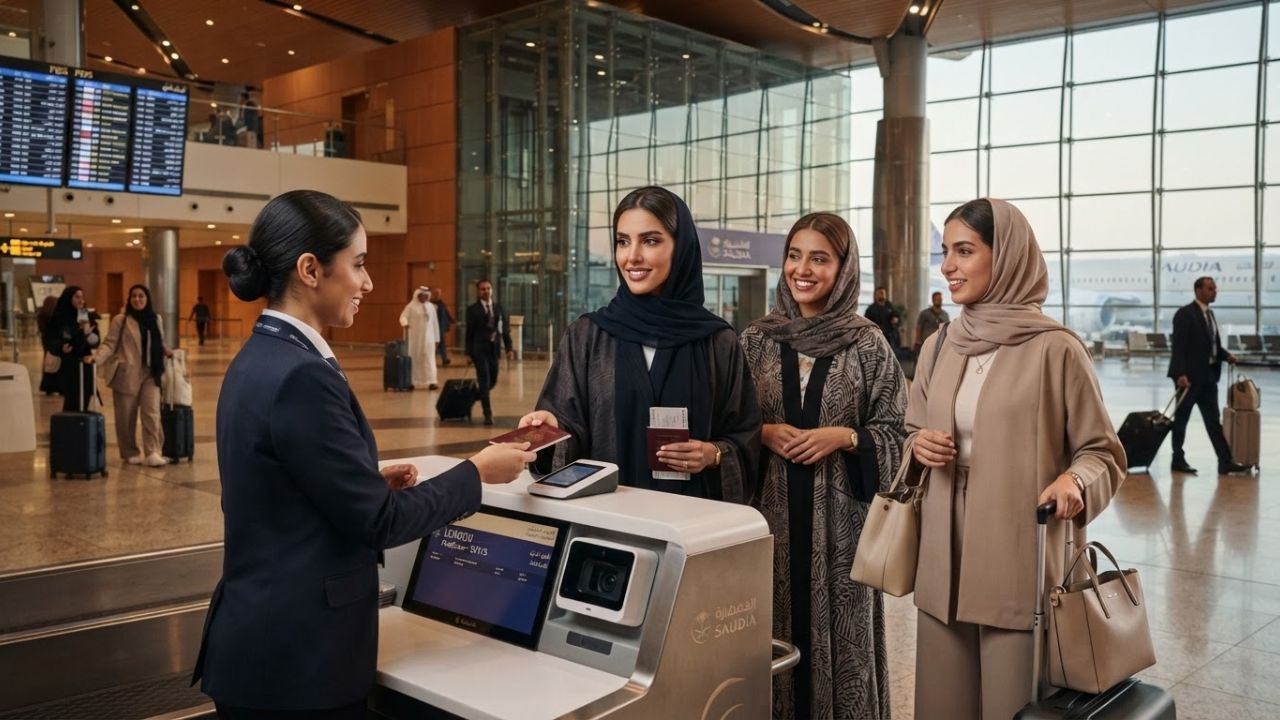
Image generated by AI
Following the General Authority of Civil Aviation's publication of an operational guide on June 30, 2026, air carriers must verify passenger visas and passports through Advance Passenger Processing.
GACA Formalizes Digital Passenger Document Verification
Saudi Arabia's passenger verification procedures have entered a more structured, digital operating phase following the General Authority of Civil Aviation (GACA) publication of an operational guide for the Passenger Security System on June 30, 2026. The guide instructs all air carriers and aircraft operators serving the Kingdom to execute systematic pre-departure checks. Rather than a simple review of passenger documents, the framework mandates that airlines verify passport validity, ensure visa information matches the passport presented, and utilize Advance Passenger Processing (APP) systems.
The APP system facilitates real-time data exchange between airlines and Saudi government authorities while travelers check in at departure terminals. This interactive processing enables carriers to receive immediate electronic boarding clearance. The framework strengthens previous security guidelines, such as Circular 57110/5 published on June 21, 2022, which first assigned travel document verification responsibilities to airlines. The June 2026 guide provides the operational details required for digital compliance as the Kingdom handles a growing volume of international visitors, business travelers, and pilgrims.
Saudi Arabia Travel and Aviation Statistics (2025)
| Metric | Statistical Value |
|---|---|
| Annual Airport Passengers | 140.9 million passengers (9.6% annual growth) |
| International Airport Traffic | Approximately 76 million passengers |
| Domestic Airport Traffic | Approximately 65 million passengers |
| Total Annual Tourists | 123 million (29.3 million inbound, 93.3 million domestic) |
| Inbound Visitor Spend | Estimated SAR 172 billion |
| First Quarter Umrah Performers | Over 15.2 million (6.52 million external, 82.2% via airports) |
Prior to the guide's publication, Saudi Arabia's airport infrastructure handled 128 million passengers and approximately 905,000 flights in 2024. The massive scale highlights why GACA is prioritizing automated passenger data systems to streamline border processes.
Diverting Tourism Revenues to Eco-Tourism and Local Heritage
For the traveler, the real impact of standardized document checks is the assurance of a seamless entry process that supports sustainable tourism development. By resolving document mismatches before departure, travelers avoid the risk of denied entry at border checkpoints, ensuring their travel spending directly benefits local economies. Inbound tourism spending, which reached an estimated SAR 172 billion in 2025, supports family-owned hotels, traditional dining venues, and community-guided tours across the Kingdom.
The Saudi Ministry of Tourism and the Ministry of Hajj and Umrah emphasize that digital passenger systems are vital for managing tourist flows equitably. When visitors travel with the correct visa and passport documentation, they can easily participate in regional eco-tourism initiatives, such as desert preservation stays in the Aseer region or cultural heritage tours in historic Diriyah, funding community development and habitat conservation programs.
Local Insider Tips for Navigating Saudi Entry Requirements
To make the most of your journey and ensure a smooth transit, keep these practical visitor tips in mind:
- Identify Off-Peak Visit Windows: Plan your travel during the cooler winter months of November to February to enjoy comfortable outdoor sightseeing. For religious pilgrimages, perform Umrah during the shoulder periods of October or late April to avoid the peak crowds of Ramadan and the Hajj season.
- Observe Local Cultural Etiquette: Respect local traditions by dressing modestly in public spaces. Women should wear loose-fitting clothing that covers shoulders and knees, and men should wear long trousers. Always seek permission before photographing citizens or government and military installations.
- Savor Local Dining Specialties: Enjoy authentic Saudi dishes like Kabsa (spiced rice with chicken or lamb) or Saleeg (a creamy milk rice dish) at traditional, family-owned restaurants. Pair your meal with Qahwa (Arabic cardamom coffee) and local dates to support regional agricultural cooperatives.
- Explore Under-the-Radar Heritage Sites: While AlUla and Riyadh's Masmak Fortress are popular, take time to explore the ancient mud-brick village of Rijal Almaa in the Asir province, or visit the historic oasis of Al-Ahsa, ensuring you consult official guides to support local conservation.
Long-Term Outlook for Saudi Aviation and Infrastructure
In the long run, the implementation of GACA's Passenger Security System guide will support Saudi Arabia's Vision 2030 goal of becoming a leading international passenger and logistics hub. Standardizing Advance Passenger Information (API) and Passenger Name Record (PNR) transmissions in alignment with International Civil Aviation Organization (ICAO) guidelines will enable carriers to operate more efficiently.
As international passenger volumes rise beyond 140.9 million, these automated checks will reduce wait times at border gates and minimize the operational costs of handling incorrectly documented passengers. By building a secure, digital gateway, the Kingdom is establishing a resilient transit network that supports long-term commercial trade, religious tourism, and leisure travel for decades to come.
Related Travel Guides
Disclaimer
This article is for informational and educational purposes only. It does not constitute legal, financial, or professional advice. While we strive to provide accurate and up-to-date information, travel policies, regulations, and conditions change rapidly. Always verify information with official sources before making travel decisions. Nomad Lawyer makes no representations about the accuracy, reliability, completeness, or suitability of the information provided. Readers should consult qualified professionals for advice specific to their circumstances. The views expressed in this article are those of the author and do not necessarily reflect the views of Nomad Lawyer.
Preeti Gunjan
Contributor & Community Manager
A passionate traveller and community builder. Preeti helps grow the Nomad Lawyer community, fostering engagement and bringing the reader experience to life.
Learn more about our team →