
Sargassum-Smart Caribbean Travel Guide 2026: The Insider Strategy for Grand Cayman, Aruba, and Curaçao

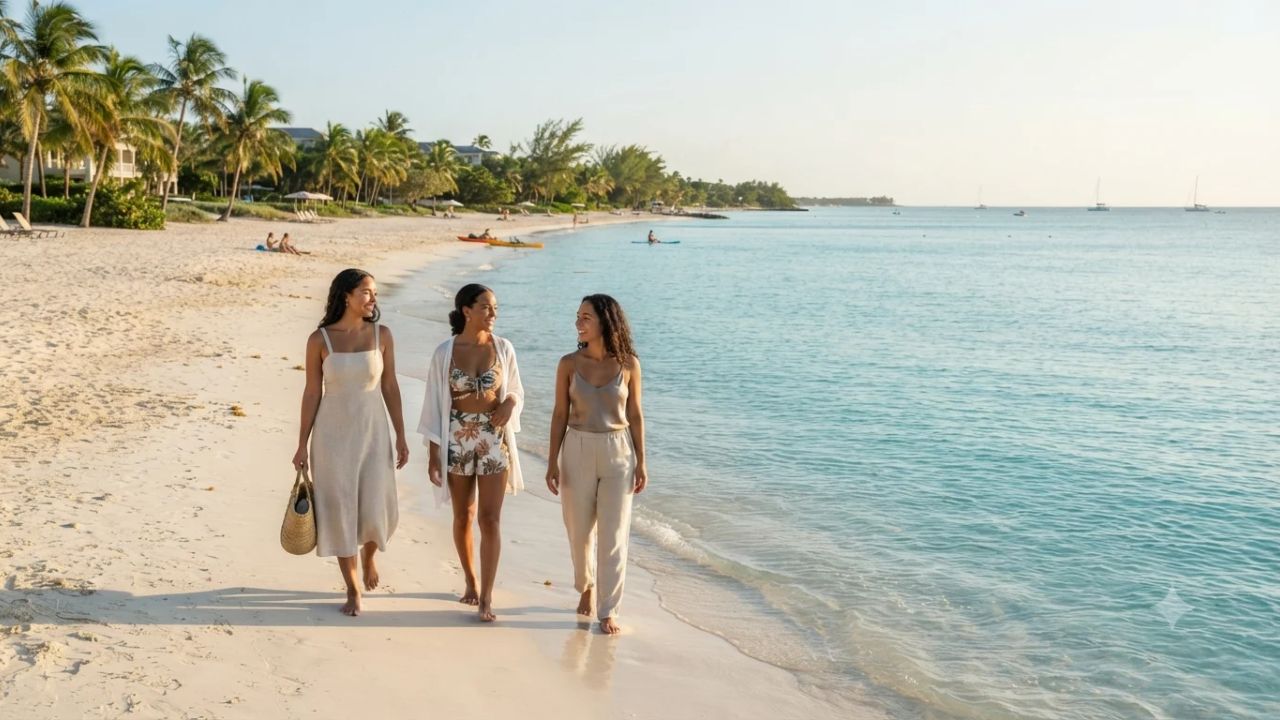
Sargassum seaweed blooms do not blanket the Caribbean uniformly; because pelagic algae is steered entirely by prevailing easterly trade winds and ocean currents, a beach on an island's western lee can remain turquoise while the eastern Atlantic shore absorbs heavy influxes. Since pelagic sargassum emerged as a recurrent regional environmental challenge in 2011, satellite monitoring from the National Oceanic and Atmospheric Administration Daily Sargassum Inundation Risk (SIR) system has tracked coastal risks across 50 to 100-kilometer sectors, categorizing exposure into Low, Warning, Medium, and High bands. For discerning holidaymakers in 2026, planning a successful beach escape is no longer about picking an island at random—it is about mastering coastal orientation.
By targeting sheltered western and southern coastlines, travelers can enjoy pristine swimming conditions across premier territories such as Grand Cayman's Seven Mile Beach, Aruba's Eagle Beach, and Curaçao's Mambo Beach. Official tourism data confirms surging international demand for these strategically positioned destinations. In Turks and Caicos, total arrivals jumped by roughly 350% from 431,237 in 2021 to 1,942,266 in 2025, with stayover visitors climbing from 404,664 to 640,754. Similarly, Curaçao recorded 788,427 stayover visitors and 881,665 cruise passengers in 2025, achieving 1,714,335 total arrivals and a high average length of stay of 8.4 nights.
The Top Sheltered Coastlines for Sargassum-Resilient Vacations
Understanding the geographic orientation and infrastructure of individual Caribbean coastlines allows travelers to structure flexible, worry-free getaways:
1. Seven Mile Beach (Grand Cayman)
Positioned on the sheltered western flank of Grand Cayman, Seven Mile Beach benefits from natural barriers that shield its powder-soft white coral sands from open Atlantic swells. According to the Cayman Islands Department of Tourism, the territory recorded 429,284 stayover visitors in 2023—with 82.8% arriving from the United States—and welcomed 370,093 American stayover guests in 2025. With island hotel inventory exceeding 8,000 rooms, visitors can combine calm western-shore swimming with world-renowned excursions to Stingray City and waterfront dining in George Town.
2. Eagle Beach and Palm Beach (Aruba)
Situated along the southwestern lee of the island, Aruba is naturally angled away from Atlantic sargassum drift tracks. Having welcomed more than one million annual visitors since 2022, Aruba pairs wide, uncrowded sands at Eagle Beach with vibrant resort amenities along Palm Beach, complemented by inland desert explorations across Arikok National Park.
3. Mambo Beach and Westpunt (Curaçao)
Curaçao's southern Caribbean-facing coastline provides calm, reef-protected bays. With stayover arrivals increasing from 582,409 in 2023 to 700,249 in 2024 and 788,427 in 2025, the island's Dutch colonial capital of Willemstad offers historic UNESCO-style architecture, world-class wall diving, and beach club culture that ensures vacations never rely on a single shoreline.
4. Grace Bay (Providenciales, Turks and Caicos)
Set on the northern coast of Providenciales, Grace Bay features expansive offshore barrier reefs that break ocean swells. The island's mature resort corridor offers exceptional sailing, kayaking, and day boat charters across adjacent uninhabited cays.
5. Playa Norte (Isla Mujeres) and Cozumel's West Coast (Mexico)
North of Cancún, Isla Mujeres benefits from a sheltered northern orientation at Playa Norte, where shallow sandbars remain calm. Across the bay in Cozumel, the western shoreline faces the Mexican mainland, shielding its coral walls from open-ocean drift. Cozumel recorded 2.788 million cruise passengers and 766 vessel calls during the first seven months of 2025.
6. Frederiksted Beach (St. Croix, U.S. Virgin Islands)
Positioned on St. Croix's western shore, Frederiksted provides placid waters, 18th-century Danish fortresses, and sunset pier views, sheltered from the heavier surf of the eastern Atlantic tip at Point Udall.
7. Playa Dominicus and Bayahíbe (Dominican Republic)
Located along the southeastern Caribbean Sea, the Blue Flag-certified sands of Playa Dominicus serve as the launchpad for protected catamarans heading toward Saona Island, Catalina Island, and the coastal mangrove forests of Cotubanamá National Park.
8. Seven Mile Beach in Negril (Jamaica)
Anchoring Jamaica's westernmost tip, Negril's crescent bay is famed for calm evening swimming, beachside jerk smokehouses, and the limestone cliffs of the West End, drawing from Jamaica's 2.9 million stayover arrivals recorded in 2024.
Coastal Geometry and Ocean Current Dynamics
The movement of sargassum across the Atlantic Equatorial belt is dictated by the North Equatorial and Caribbean Currents, which push floating mats westward into windward eastern shorelines. Islands like Barbados, Antigua, and the Riviera Maya coast of Mexico feature long eastern exposures that bear the brunt of incoming blooms during spring and summer months.
In contrast, islands with high central mountain ridges—or those whose primary resort belts face west toward the Caribbean interior—create a natural wind-shadow effect. This geographic protection drastically reduces the frequency and density of shore landings.
Visitor Insider Tips for Planning a Sargassum-Resilient Holiday
Travelers can protect their beach vacation by implementing proactive booking and on-the-ground strategies:
- Book Accommodations on Western or Leeward Shorelines: When reserving resorts in Grand Cayman, Aruba, Jamaica, or Cozumel, ensure your hotel faces west or south to maximize calm water and avoid prevailing easterly weed drift.
- Monitor NOAA Satellite Inundation Risk Maps Before Departure: Check the official NOAA Daily Sargassum Inundation Risk portal 72 hours prior to travel to assess real-time algal density around your destination's coastal quadrant.
- Select Destinations with Varied Activities Beyond the Beach: Choose islands like Curaçao or St. Croix that feature historic colonial architecture, cultural museums, hiking trails, and boat charters so your holiday itinerary never depends on a single patch of sand.
- Inquire About Hotel Beach Management Protocols: Before paying deposits, ask hotel concierge desks whether the property deploys floating offshore deflection booms or conducts early-morning mechanical beach grooming.
- Pack Reef-Safe Non-Nano Zinc Sunscreen and Dry Bags: Protect fragile coral reef ecosystems while snorkeling clear leeward waters by avoiding chemical oxybenzone sunscreens, and keep electronics safe during inter-island boat transfers in waterproof dry sacks.
Marine Conservation and Sustainable Seaweed Management
While massive nearshore sargassum accumulation causes localized oxygen depletion and odor issues on affected coastlines, pelagic sargassum in the open ocean forms a vital floating nursery for juvenile sea turtles, flying fish, and marine birds.
Caribbean tourism authorities and environmental ministries are increasingly collaborating with scientific research institutes to transform harvested sargassum into organic agricultural fertilizers, biogas energy, and sustainable building materials. Concurrently, strict marine park protections across Grand Cayman, Aruba, and Turks and Caicos ensure that beach maintenance teams do not disrupt nesting sea turtle habitats or remove essential stabilizing sand dunes.
FAQ: Caribbean Sargassum Planning 2026
What causes sargassum seaweed to wash ashore in the Caribbean?
Sargassum is floating brown macroalgae that proliferates in warm, nutrient-rich Atlantic waters and is carried into Caribbean coastlines by prevailing easterly trade winds and ocean currents.
Which side of a Caribbean island has the least sargassum?
Western and southwestern (leeward) coastlines typically experience the lowest risk because central island landmasses shield them from easterly ocean currents and trade winds.
What months are sargassum levels highest in the Caribbean?
Sargassum influxes generally peak during the warmer spring and summer months between April and August, while winter months (November to February) historically see significantly lower activity.
Is sargassum harmful to swimmers?
In open, clear water, sargassum is harmless to humans, though heavy shoreline accumulations can produce sulfurous odors as it decomposes and may cause mild skin irritation.
Understanding ocean winds and choosing the right coastline turns Caribbean vacation planning into a guaranteed recipe for crystal-clear shores and unforgettable island sunsets.
Related Travel Guides
Disclaimer
This article is for informational and educational purposes only. It does not constitute legal, financial, or professional advice. While we strive to provide accurate and up-to-date information, travel policies, regulations, and conditions change rapidly. Always verify information with official sources before making travel decisions. Nomad Lawyer makes no representations about the accuracy, reliability, completeness, or suitability of the information provided. Readers should consult qualified professionals for advice specific to their circumstances. The views expressed in this article are those of the author and do not necessarily reflect the views of Nomad Lawyer.
Raushan Kumar
Founder & Lead Developer
Full-stack developer with 11+ years of experience and a passionate traveller. Raushan built Nomad Lawyer from the ground up with a vision to create the best travel and law experience on the web.
Learn more about our team →