
San Salvador Lights Up as Festival Ícaro Unveils Bold Salvadoran Animation
San Salvador Lights Up as Festival Ícaro Unveils Bold Salvadoran Animation

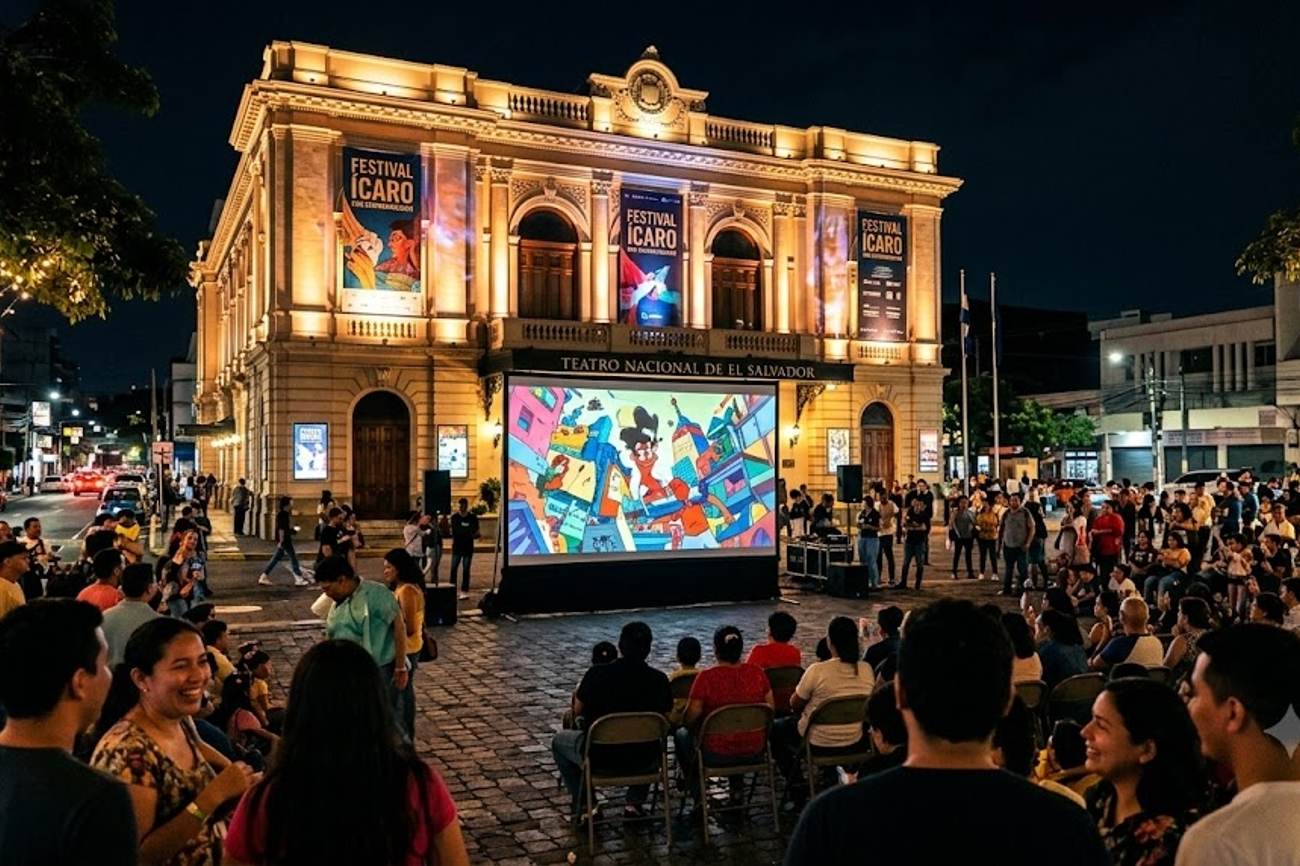
Image generated by AI
title: Salvadoran Animation and the Art of Memory in San Salvador description: A deep dive into the subversive world of Salvadoran animated shorts and the cultural heartbeat of Colonia San Benito.
Most people associate animation with children's entertainment, but in San Salvador, it is being used as a sharp tool for political memory and social critique. On 23 September 2026, the city will host a specialized cinema evening featuring Salvadoran animated short films, proving that a few minutes of hand-drawn imagery can carry more historical weight than a feature-length documentary.
The Evolution of the Salvadoran Screen
San Salvador is currently experiencing a cinematic awakening where young creators are reclaiming the narrative of their country. While the main XXIX Festival Ícaro El Salvador took place from 8 to 12 September, the cultural momentum continues with a focused animation cycle. This specific event, held at 7pm on 23 September 2026, is a collaboration between the Centro Cultural de España en El Salvador, Audiovisuales UCA, and Festival Ícaro.
This is not a standard film festival; it is a curated exploration of the Salvadoran psyche. By utilizing animation, filmmakers are able to visualize trauma, hope, and systemic struggle in ways that live-action cinema often cannot. The programme consists of six films with a total combined running time of approximately 42 minutes, yet the emotional gravity of these works extends far beyond their duration.
What Makes San Salvador's Animation Different
The strength of this movement lies in its refusal to shy away from the "difficult" parts of the national identity. Rather than focusing on the tourist-friendly imagery of coffee plantations or volcanic peaks, these filmmakers use the medium to archive the voices of the marginalized.
One of the most striking examples is Prudencia Ayala, presidenta. This nine-minute piece breathes life into the legacy of Prudencia Ayala, a trailblazing figure who fought for women's suffrage and civil rights. By animating her struggle, the film transforms a historical figure into a living symbol for a new generation of Salvadorans. Similarly, Memoria viva: Febe Elizabeth Velásquez, a seven-minute work produced by El Kolectivo San Jacinto, focuses on a trade union leader active during the civil conflict. These films serve as visual monuments, ensuring that the figures who shaped the country are not erased by time.
The emotional spectrum of the evening is broad. La última ave cantora, directed by José Aguirre Palacios, runs for 17 minutes and uses a fantasy setting—two children dreaming of escaping an oppressive city—to mirror the very real desires of youth seeking safety and freedom. In contrast, the three-minute short Maktub by Adriana Michelson and Daniel Flamenco captures the visceral, daily anxiety of a woman unsure if she will return home safely.
Even the shorter works pack a punch. Alex Cruz’s Hado, released in 2025, lasts only two minutes but manages to encapsulate a lifetime of regret as an older man confronts his past. To balance the intensity, Arturo López Rodas offers El sonido del mar, a four-minute mystery involving a castaway and a sailor searching for a mythical creature, showcasing the local scene's ability to pivot from social realism to surrealism.
Visitor Insider Tips
If you are planning to attend this event or visit San Salvador during the festival cycle, avoid the generic tourist hubs and embed yourself in the local rhythm.
Where to Base Yourself: Stay in or near Colonia San Benito. This is the neighborhood where the Centro Cultural de España en El Salvador is located on Calle La Reforma. It is the city's intellectual and cultural heart, filled with walkable streets, upscale dining, and galleries.
Timing Your Visit: To avoid the heaviest traffic in San Salvador—which can be unpredictable—plan to arrive in San Benito at least two hours before the 7pm screening. Use this time to explore the surrounding cafes.
Transport Hacks: While taxis are plentiful, using ride-sharing apps is generally more reliable for navigating to specific addresses like Calle La Reforma. If you are venturing further, check the official tourism board for updated safety and transit corridors.
Local Etiquette: When attending cultural events at the Centro Cultural de España, dress is typically "smart casual." Salvadorans take great pride in their artistic presentations, and showing respect through your attire is appreciated.
Regional Flavors: Before the screening, seek out a local pupusería. While pupusas are found everywhere, the small, family-run spots in San Benito often offer a more authentic, less commercialized version of the national dish.
Cultural and Environmental Context
The intersection of art and history in El Salvador is a delicate one. For decades, the country's narrative was dominated by the scars of civil war. The current surge in independent animation represents a shift toward "memory work"—the process of using art to heal and remember.
By hosting these screenings at the Centro Cultural de España, the city is creating a safe space for dialogue. This is critical because many of the themes explored—such as those in Maktub or La última ave cantora—touch upon the ongoing challenges of migration and urban insecurity.
Furthermore, the support of organizations like UNESCO in promoting intangible cultural heritage helps these filmmakers gain international visibility. The transition from the main festival dates (8-12 September) to this specialized animation night on 23 September demonstrates a commitment to sustainable cultural tourism. Instead of a one-off event that floods the city for a few days, the extended cycle allows for a deeper, more meaningful engagement between visitors and the local creative community.
FAQ: Visiting San Salvador 2026
What is the best time to visit San Salvador? The window from September to November is excellent for cultural events like Festival Ícaro. However, for the best weather, the dry season from November to April is preferred to avoid heavy tropical rains.
Do I need a visa to enter El Salvador? Visa requirements depend on your nationality. Many citizens from the US, Canada, and the EU enter visa-free for tourism. Always check the latest requirements via the official government portal or your local embassy.
How do I get to Colonia San Benito from the airport? The fastest way from El Salvador International Airport (SAL) is via an authorized airport taxi or a pre-arranged shuttle. The trip to Colonia San Benito typically takes 45 to 90 minutes depending on traffic.
Is it safe for solo travelers? San Salvador has seen significant improvements in safety, especially in areas like Colonia San Benito. However, it is advised to stay in well-lit, populated areas and use registered transport services after dark.
The real soul of San Salvador isn't found in its monuments, but in the 42 minutes of animation that dare to tell the truth.
#SanSalvadorCulture #FestivalIcaro2026 #SalvadoranAnimation #ColoniaSanBenito #ElSalvadorTravel2026 #CentralAmericanCinema
Related Travel Guides
- Ireland’s Galway Oyster Festival Wins Global Attention as Seafood Tourism Celebrates Europe’s Best Autumn Experiences: All You Need to Know
- Tierra del Fuego Takes Over FIT 2026 With 50 Tourism Providers and a Game-Changing Argentina-Chile Route
- Assam’s Concert Tourism Revolution Begins As Guwahati Welcomes BURPP Festival 2026 And Global Travel Opportunities
Disclaimer
This article is for informational and educational purposes only. It does not constitute legal, financial, or professional advice. While we strive to provide accurate and up-to-date information, travel policies, regulations, and conditions change rapidly. Always verify information with official sources before making travel decisions. Nomad Lawyer makes no representations about the accuracy, reliability, completeness, or suitability of the information provided. Readers should consult qualified professionals for advice specific to their circumstances. The views expressed in this article are those of the author and do not necessarily reflect the views of Nomad Lawyer.
Raushan Kumar
Founder & Lead Developer
Full-stack developer with 11+ years of experience and a passionate traveller. Raushan built Nomad Lawyer from the ground up with a vision to create the best travel and law experience on the web.
Learn more about our team →