
New NAIA Infra Corp and Philippine Airlines Sign Agreement to Reduce Manila Airport Delays 2026
San Miguel-led New NAIA Infra Corp (NNIC) and Philippine Airlines have established a first-of-its-kind Airport Use Agreement to curb chronic congestion and improve on-time performance at Ninoy Aquino International Airport.

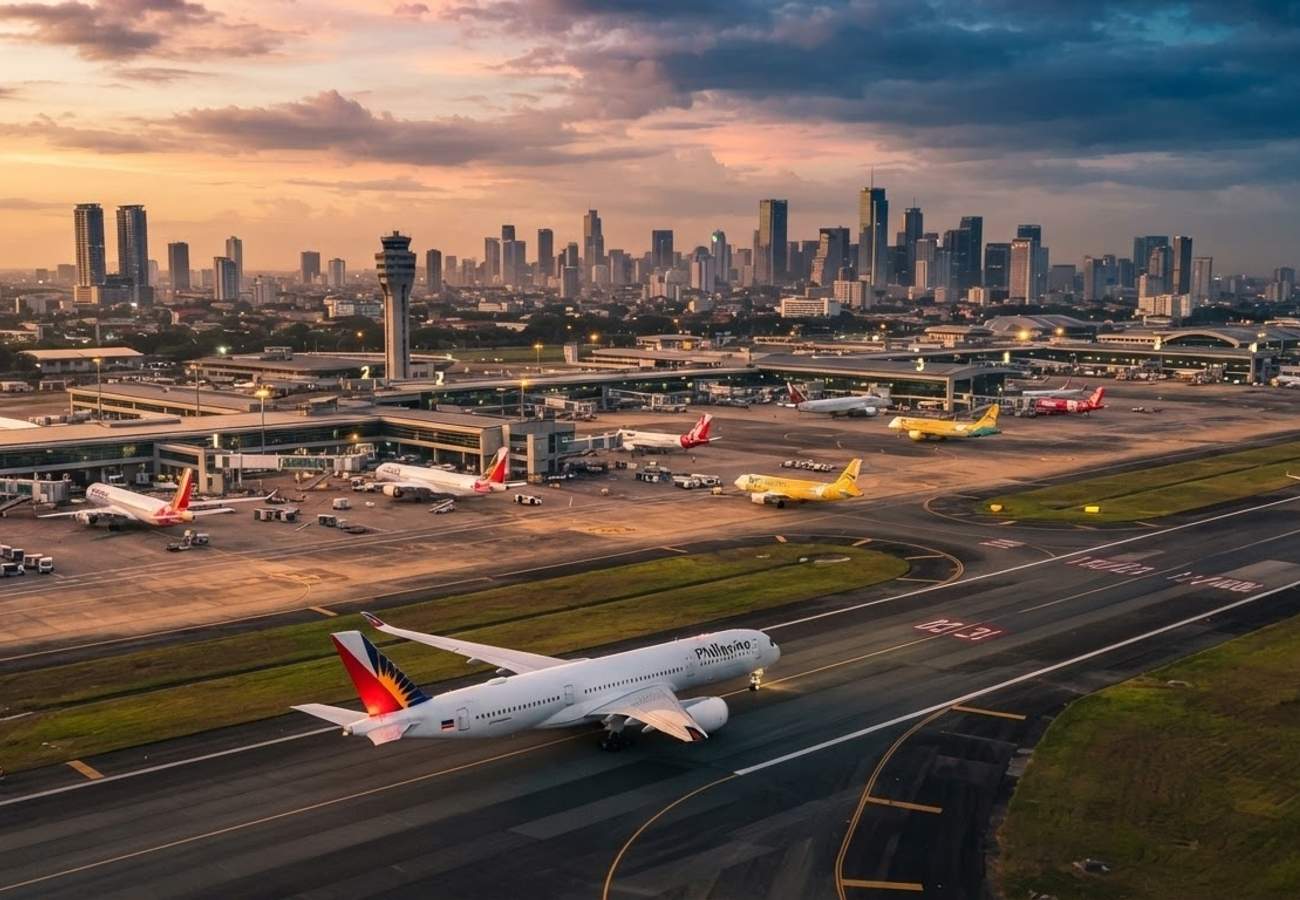
Image generated by AI
San Miguel-led New NAIA Infra Corp (NNIC) and Philippine Airlines (PAL) have entered a strategic Airport Use Agreement designed to eliminate chronic operational bottlenecks at Ninoy Aquino International Airport (NAIA).
The agreement marks a shift toward standardized, performance-based contracts at Manila’s primary gateway, using the national flag carrier as the primary test case for systemic reliability improvements.
Standardizing Operations at Manila's Main Hub
The New NAIA Infra Corp, a consortium led by San Miguel Corporation and including the Incheon International Airport Corporation, has implemented a framework that aligns Philippine Airlines' daily operations with the service benchmarks required by NNIC’s government concession.
This agreement is the first of its kind under the current private management. It replaces fragmented, bespoke arrangements with a unified set of Key Performance Indicators (KPIs) focused on three primary areas:
- Aircraft Turnaround Times: Reducing the window between landing and next takeoff.
- On-Time Departures: Establishing strict punctuality targets to prevent ripple-effect delays.
- Peak-Hour Management: Coordinating ground movements to mitigate congestion during high-traffic banks.
By embedding these shared metrics, NNIC and PAL can now pinpoint exactly where delays originate—whether they are airside, landside, or ground-handling related—allowing for immediate corrective action.
The Infrastructure Backdrop
The deal follows the 2024 acquisition of a 15-year concession by NNIC, which officially took over airport operations in September 2024. The project is a PHP170.6 billion initiative aimed at rehabilitating a hub that has long operated above its designed capacity.
Under the terms of the public-private partnership (PPP), NNIC is mandated to share more than 80 percent of gross revenue with the Philippine state. The current phase involves phased construction and systems upgrades, including:
- Expansion of automated passenger processing systems.
- Reconfiguration of terminal assignments to optimize flow.
- Modernization of curbside and terminal operations.
Philippine Airlines as the Operational Pilot
As one of the largest users of NAIA, Philippine Airlines is the launch partner for this standardized contract model. The scale of PAL's hub operations makes it the most effective entity to pilot the framework before NNIC rolls out similar agreements to other domestic and international carriers.
Our analysis of the operational layout indicates that aligning gate availability and runway scheduling with PAL’s network plans is a prerequisite for reducing "knock-on" delays that currently plague the carrier's domestic and international schedules. Furthermore, the agreement creates a formal communication channel to manage temporary facility closures and construction-related disruptions.
Operational Framework Summary
| Feature | Detail |
|---|---|
| Lead Operator | New NAIA Infra Corp (NNIC) |
| Primary Partner | Philippine Airlines (PAL) |
| Concession Value | PHP170.6 Billion |
| Concession Term | 15 Years (Started Sept 2024) |
| Revenue Share | >80% to the State |
| Core Focus | Turnaround times, on-time departures, peak-hour flow |
Why This Matters
For the frequent traveler and the aviation industry, this move signals the end of the "fragmented management" era at NAIA. Historically, delays at Manila were often a result of finger-pointing between the airport authority and the airlines. By signing a contract that links airline performance to airport infrastructure goals, the responsibility is now shared and measurable.
From a logistical perspective, this means that if a delay occurs, there is a data-backed trail to determine if the failure was due to gate availability (NNIC) or ground handling (PAL). This accountability is the only way to successfully manage a hub that is undergoing massive construction while remaining fully operational.
Industry Outlook
The NNIC-PAL framework is a blueprint. If this pilot yields measurable improvements in on-time performance, expect every carrier at NAIA to be moved onto similar standardized contracts.
This strategy aligns with San Miguel Corporation's broader aviation roadmap, which includes the development of a greenfield international airport in Bulacan. The experience gained at NAIA—specifically in managing high-density traffic through data-driven contracts—will likely be applied to the Bulacan project to ensure the new gateway avoids the systemic congestion that defined NAIA's previous decades.
The success of this partnership will determine if the PPP model can truly modernize Philippine aviation.
Related Travel Guides
Disclaimer
This article is for informational and educational purposes only. It does not constitute legal, financial, or professional advice. While we strive to provide accurate and up-to-date information, travel policies, regulations, and conditions change rapidly. Always verify information with official sources before making travel decisions. Nomad Lawyer makes no representations about the accuracy, reliability, completeness, or suitability of the information provided. Readers should consult qualified professionals for advice specific to their circumstances. The views expressed in this article are those of the author and do not necessarily reflect the views of Nomad Lawyer.
Kunal K Choudhary
Co-Founder & Contributor
A passionate traveller and tech enthusiast. Kunal contributes to the vision and growth of Nomad Lawyer, bringing fresh perspectives and driving the community forward.
Learn more about our team →