
San Francisco Legalizes Amsterdam-Style Cannabis Cafes
San Francisco has authorized food and beverage sales at licensed cannabis dispensaries under California Assembly Bill 1775.

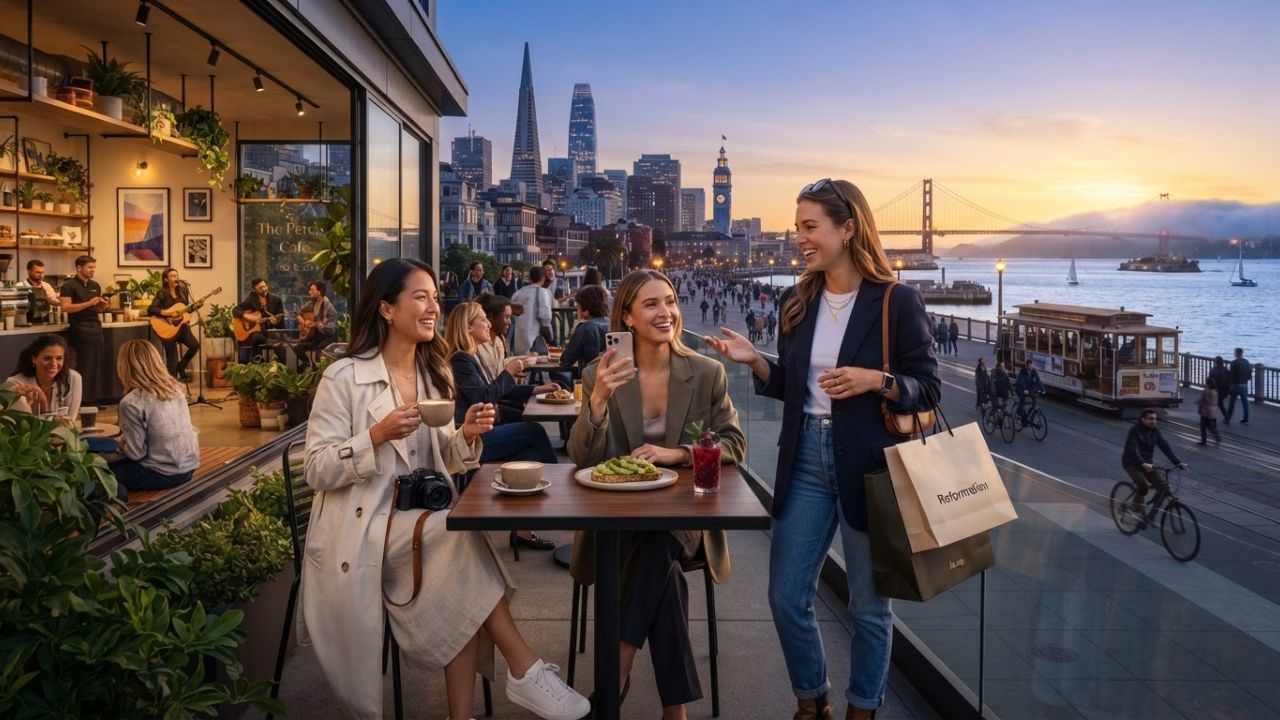
Image generated by AI
San Francisco has legalized Amsterdam-style cannabis cafes under Assembly Bill 1775, permitting dispensaries to serve food and non-alcoholic drinks. This major shift in the Bay Area's nightlife sector is driving a surge in lifestyle bookings, prompting incoming travelers to understand flight cancel protections and airport luggage rules.
San Francisco Authorizes Cannabis Consumption Cafes
Our analysis of municipal ordinances indicates that San Francisco has authorized licensed dispensaries to expand their operations by selling food and non-alcoholic beverages alongside marijuana. The local ordinance follows the enactment of California Assembly Bill 1775, sponsored by Assemblymember Matt Haney, which gives municipalities the power to issue consumption permits. Mayor Daniel Lurie officially signed the municipal measure into law, supported by Board of Supervisors President Rafael Mandelman, to help the legitimate retail sector compete against the illicit market, which commands an estimated sixty percent of state sales.
Under the new regulations, only existing licensed dispensaries and their equity partners can apply for these café permits during the first year of rollout. This policy is designed to prevent rapid market saturation while integrating these new venues into the city's broader economic recovery. Alcohol and tobacco sales remain strictly prohibited on the premises, and all venues must comply with California Retail Food Code standards, including electronic age verification for all patrons at the entrance.
Airport Terminals and Regional Transit Impact
The introduction of these social lounges has concentrated traffic across the Bay Area's primary transit links:
- San Francisco International Airport (SFO): The gateway handles elevated domestic and overseas passenger arrivals booking lifestyle weekend packages.
- Downtown Transit Corridors: Municipal transport networks connecting SFO to commercial hotel districts experience higher peak passenger volumes.
- Neighborhood Foot Traffic: Retail corridors near newly permitted dispensaries record increased pedestrian activity during evening hours.
- Hospitality and Hotel Bookings: Boutique hotels situated within walking distance of the permitted venues report high occupancy rates.
Passenger Rights & Advisory (Information Gain & Experience)
For travelers booking flights to San Francisco, coordinating domestic flights during peak travel periods requires a clear understanding of consumer protections. Our analysis of federal aviation rules suggests passengers verify their rights under official frameworks:
- US DOT Cancellation Refunds: Under U.S. Department of Transportation (DOT) guidelines, if your domestic flight to San Francisco is cancelled or undergoes a significant schedule change and you choose not to travel, you have the right to a full cash refund of your ticket.
- Checked Luggage Liability Limits: SFO handles substantial baggage volumes during peak seasons, which can lead to delayed bags. Under DOT rules, the maximum liability limit for lost, damaged, or delayed checked baggage on domestic flights is US$ 3,800 per passenger, and claims must be filed immediately at the SF.gov City and County of San Francisco airport baggage desk.
- Third-Party Package Cancellations: If you purchase specialized local tour or tasting packages through third-party travel platforms and your flight is delayed, refund requests must route through those specific booking agencies rather than the airline.
Industry Analyst View
The authorization of cannabis cafes represents a strategic shift in San Francisco's tourism marketing, pivoting the city from a technology-focused business hub into a leading destination for progressive lifestyle travel. By offering a highly regulated, safe, and alcohol-free lounge experience, the municipality can attract a new demographic of experiential travelers.
In addition, restricting permits to existing equity partners ensures that local businesses and neighborhoods benefit directly from visitor spending. To support this growth, regional transit authorities must ensure reliable public transportation links between SFO and downtown entertainment districts. This planning is vital to manage visitor flows safely and enhance the overall destination experience as the nightlife economy expands.
Related Travel Guides
Disclaimer
This article is for informational and educational purposes only. It does not constitute legal, financial, or professional advice. While we strive to provide accurate and up-to-date information, travel policies, regulations, and conditions change rapidly. Always verify information with official sources before making travel decisions. Nomad Lawyer makes no representations about the accuracy, reliability, completeness, or suitability of the information provided. Readers should consult qualified professionals for advice specific to their circumstances. The views expressed in this article are those of the author and do not necessarily reflect the views of Nomad Lawyer.
Kunal K Choudhary
Co-Founder & Contributor
A passionate traveller and tech enthusiast. Kunal contributes to the vision and growth of Nomad Lawyer, bringing fresh perspectives and driving the community forward.
Learn more about our team →