
Samoa Expands Marine Ecotourism and Rainforest Trekking Across Upolu and Savai’i in 2026
Samoa is diversifying its tourism portfolio by launching marine ecotourism circuits in coastal villages and new rainforest trekking routes across Upolu and Savai’i to promote conservation.

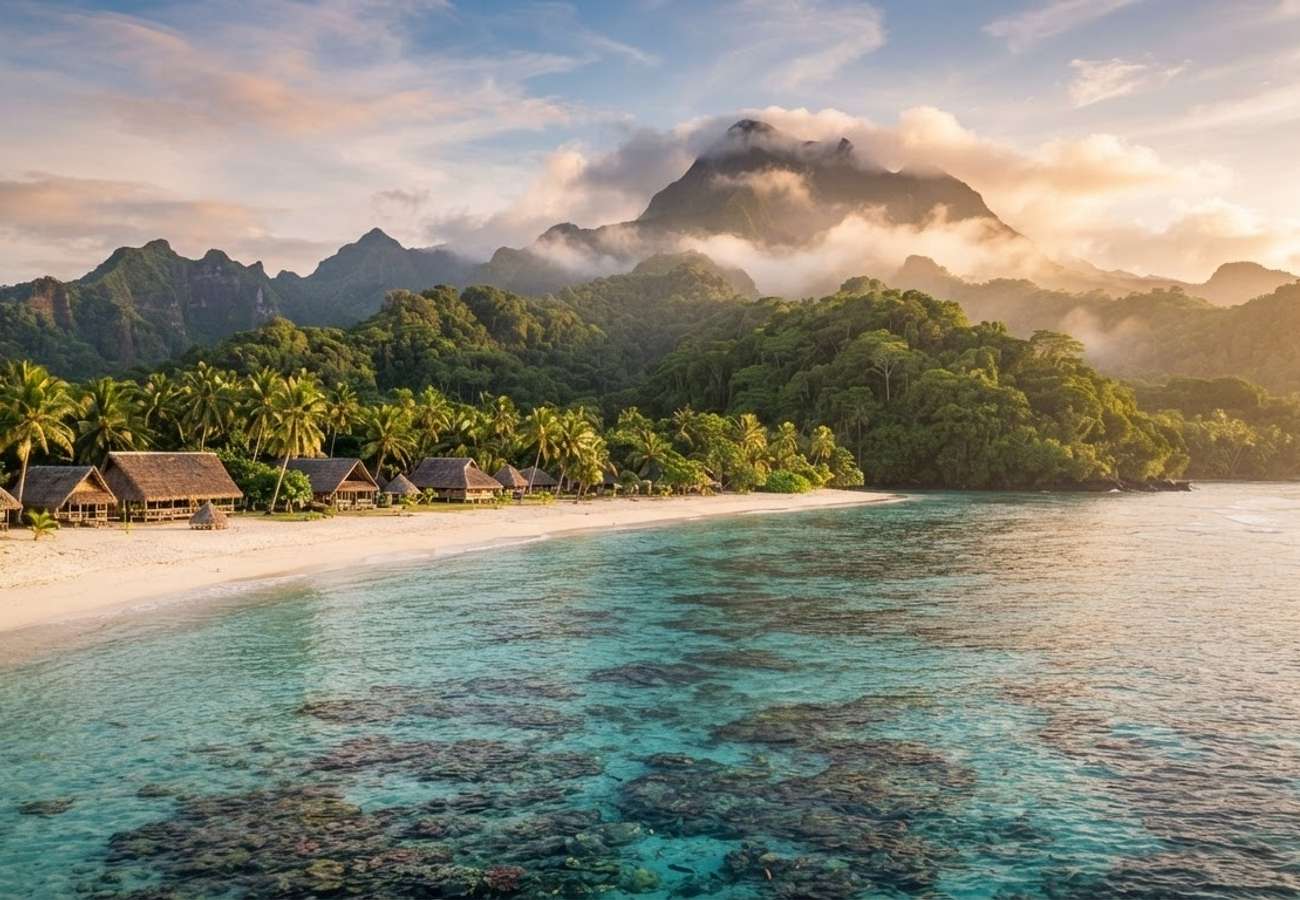
Image generated by AI
Samoa is shifting its tourism model from passive beach resorts to active, community-led conservation. By integrating marine protection with cultural immersion, the islands are now offering high-value experiences that distribute economic benefits directly to rural villages.
The South Pacific destination is aggressively expanding its tourism footprint beyond traditional shoreline holidays. A new strategic focus on marine ecotourism circuits and inland exploration is transforming how international visitors interact with the islands of Upolu and Savai’i.
This evolution centers on a "village-first" approach, where reef conservation and indigenous stewardship are the primary attractions rather than secondary features.
Coastal Village Integration and Marine Stewardship
Samoa has established a network of marine ecotourism hubs designed to move travelers away from isolated resorts and into the heart of coastal communities. This initiative focuses on four primary regions: Lalomanu, Falealili, Lefaga, and Manase.
These hubs utilize a model of community stewardship, where local guides lead visitors through coral reefs and coastal habitats. This ensures that tourism activity directly funds the protection of the marine resources that these villages depend on for survival.
Regional Breakdown of Coastal Hubs
- Lalomanu (Upolu): Located on the southeastern coast, this area blends its famous white-sand beaches with community-led reef experiences, allowing tourists to engage with conservation efforts.
- Falealili and Lefaga (Upolu): These regions expand the coastal network, offering a deeper look at how marine resources are managed in daily village life.
- Manase (Savai’i): Serving as the primary gateway to the northern coast of Samoa's largest island, Manase provides a slower pace of travel and a starting point for exploring Savai’i's extensive underwater environments.
Moving Inland: Rainforest and Volcanic Exploration
To prevent over-tourism on the beaches, Samoa has mapped and opened new rainforest trekking routes. These trails are designed to draw visitors into the rugged interiors of both Upolu and Savai’i.
The inland experience is characterized by a shift in geography, moving from turquoise waters to dense tropical vegetation and dramatic crater landscapes. These routes connect natural landmarks with cultural villages, providing a comprehensive view of the islands' volcanic origins.
For those staying in Apia, Upolu offers the most convenient access to these trails. Conversely, Savai’i attracts those seeking solitude, offering more expansive volcanic terrains and quieter forest environments.
Cultural Immersion via the Teuila Festival
While nature is a primary draw, the Teuila Cultural Festival remains the cornerstone of Samoa's heritage tourism. The festival has seen a surge in international bookings, as travelers increasingly seek immersive experiences over generic sightseeing.
The event serves as a concentrated showcase of Samoan identity, featuring several key pillars:
- Siva Afi: The world-renowned traditional fire knife dance.
- Tatau Arts: Demonstrations of traditional Samoan tattooing practices.
- Culinary Heritage: A focus on indigenous food preparation and local flavors.
- Performing Arts: Traditional music and dance that define the region's social fabric.
Diversified Travel Itineraries in Samoa
The integration of these three pillars—marine, inland, and cultural—allows for a multi-dimensional itinerary. A modern visitor can now transition from reef exploration in Lalomanu to hiking volcanic craters in the interior, ending with a cultural immersion during the Teuila festivities.
This variety is a deliberate strategy to encourage longer stays and ensure that tourism revenue reaches remote areas far from the capital.
Samoa Tourism Expansion Summary
| Feature | Focus Areas | Key Attractions | Primary Goal |
|---|---|---|---|
| Marine Ecotourism | Lalomanu, Falealili, Lefaga, Manase | Reef protection, village guiding | Coastal conservation |
| Inland Trekking | Upolu & Savai’i Interiors | Rainforests, volcanic craters | Tourism dispersal |
| Cultural Tourism | National / Festival Sites | Siva Afi, Tattooing, Local Cuisine | Heritage preservation |
Key Takeaways
- Community-Centric Model: Tourism is shifting toward village-led stewardship in Lalomanu, Falealili, Lefaga, and Manase.
- Geographic Diversification: New rainforest and crater trails are reducing pressure on coastal resorts.
- Cultural Anchors: The Teuila Cultural Festival remains the primary driver for high-season international arrivals.
- Conservation Link: Marine activities are now explicitly tied to reef protection and environmental education.
Frequently Asked Questions
Which areas are best for marine ecotourism in Samoa? Visitors should focus on Lalomanu, Falealili, and Lefaga on Upolu, and Manase on Savai’i for the most authentic community-led reef experiences.
What can I expect from the inland trekking routes? The trails lead through dense rainforests to volcanic crater landscapes and traditional cultural villages, offering a stark contrast to the beach environment.
When is the best time to experience Samoan culture? Timing a visit around the annual Teuila Cultural Festival provides the most concentrated access to Siva Afi dancing, traditional tattooing, and indigenous cuisine.
Samoa is redefining the South Pacific getaway by proving that luxury and conservation can coexist through community-led tourism.
Related Travel Guides
Disclaimer
This article is for informational and educational purposes only. It does not constitute legal, financial, or professional advice. While we strive to provide accurate and up-to-date information, travel policies, regulations, and conditions change rapidly. Always verify information with official sources before making travel decisions. Nomad Lawyer makes no representations about the accuracy, reliability, completeness, or suitability of the information provided. Readers should consult qualified professionals for advice specific to their circumstances. The views expressed in this article are those of the author and do not necessarily reflect the views of Nomad Lawyer.
Preeti Gunjan
Contributor & Community Manager
A passionate traveller and community builder. Preeti helps grow the Nomad Lawyer community, fostering engagement and bringing the reader experience to life.
Learn more about our team →