
Saint Lucia Joins Bahamas, Colombia, Brazil, Guyana, Aruba, Curaçao, And More Places In Emergency As Twin Venezuela Earthquakes Hit Hotel Bookings, Airports, Ports And Tourism Across South America And Caribbean Region
Twin Venezuela earthquakes trigger tourism emergency in Saint Lucia, Bahamas, Colombia, and Brazil, disrupting cruise ro

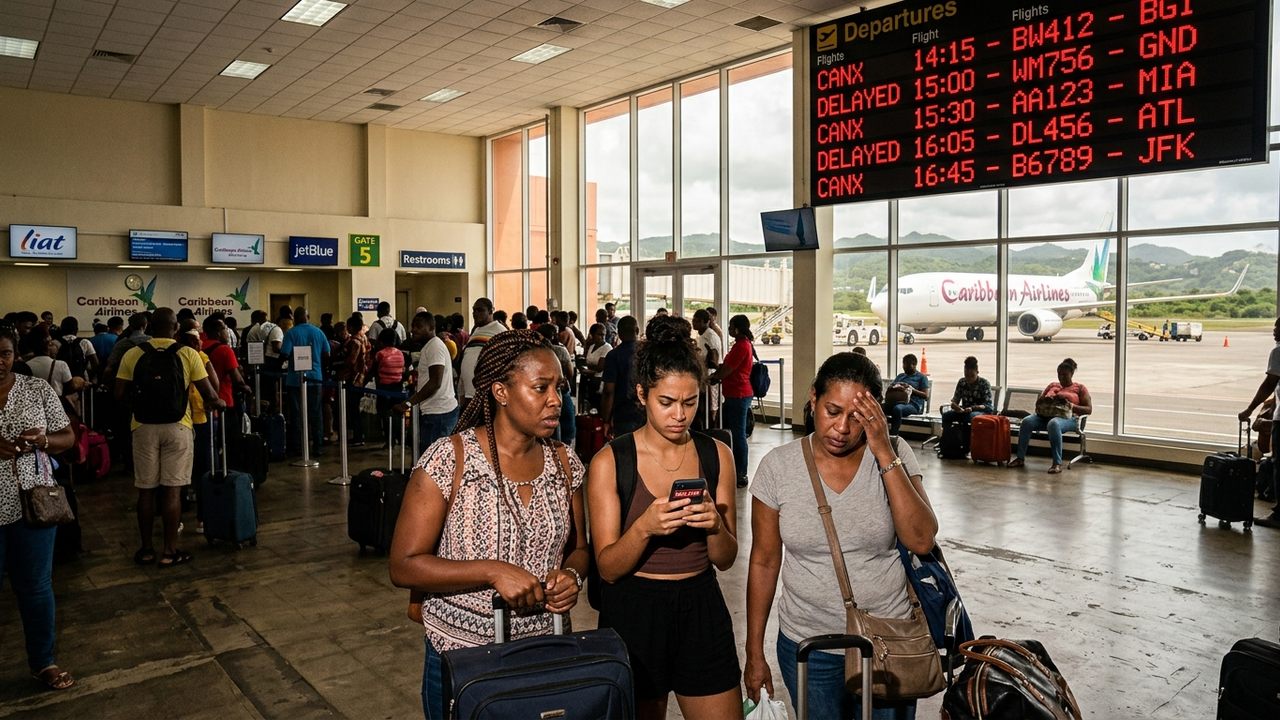
Image generated by AI
[Caracas, June 25, 2026] — A catastrophic sequence of twin earthquakes in Venezuela has triggered a regional tourism emergency, disrupting aviation, cruise operations, and hotel bookings across Saint Lucia, the Bahamas, Colombia, Brazil, Guyana, Aruba, and Curaçao. The seismic events, occurring seconds apart, have created a cascading economic shockwave that is forcing multiple Caribbean and South American nations to activate emergency protocols and recalibrate travel itineraries.
The geological disaster has centered on northern Venezuela, but the repercussions are being felt far beyond the epicenter. Industry sources indicate that the region's interconnected nature has turned a localized disaster into a systemic crisis, affecting everything from maritime navigation in the Caribbean basin to eco-tourism corridors in the Amazon. As safety assessments continue, the regional tourism network is grappling with a significant decline in traveler confidence and a surge in precautionary cancellations.
Venezuela Faces Severe Infrastructure Collapse and Tourism Halt
Venezuela serves as the ground zero for this crisis, experiencing devastating structural failures in critical urban centers and coastal hubs. Reports indicate that Caracas and La Guaira have suffered significant collapses, leading to the immediate evacuation of hotels as engineers conduct urgent safety audits.
The nation's transportation infrastructure has been severely compromised, with major road networks and port facilities sustaining heavy damage. The coastal tourism belt, while smaller than those of its neighbors, has been effectively paralyzed. Aviation operations through Caracas have faced repeated interruptions as authorities conduct rigorous safety inspections of runways and terminals. Furthermore, all cruise-related activities at La Guaira have been suspended. The combination of physical destruction and official travel warnings has caused international arrivals to plummet, placing the domestic tourism sector in a state of total emergency.
Saint Lucia and the Bahamas Manage Cruise and Booking Volatility
While Saint Lucia has avoided physical damage, the island is experiencing a "psychological shock" to its tourism economy. According to maritime reports, cruise operators managing Caribbean loops are actively modifying their routes to bypass Venezuelan coastal waters. This shift in navigation has led to a ripple effect in port scheduling.
Local hotel operators in Saint Lucia report a noticeable dip in forward bookings from North American and European markets. This trend is attributed to a heightened perception of regional risk rather than any actual threat to the island's infrastructure. The national tourism authority remains in a state of high alert, monitoring cruise arrivals to ensure port safety is maintained despite the regional instability.
Similarly, the Bahamas is facing a recalibration of its cruise industry. Because the Bahamas serves as a primary hub for multi-destination Caribbean voyages, the seismic emergency in Venezuela has forced major cruise lines to shuffle port sequences and overnight stays. While Nassau and Freeport remain structurally sound, hotel managers report cautious booking patterns. Travelers are increasingly hesitant to commit to multi-country itineraries that include the southern Caribbean.
Colombia and Brazil Adjust Northern Border Tourism Circuits
Colombia is facing the most direct terrestrial impact due to its proximity to the disaster zone. Although no structural damage has been reported within Colombian borders, the tourism industry in western and northern regions has entered a precautionary phase. Tour operators have suspended all itineraries that include cross-border travel into Venezuela.
Major leisure destinations such as Santa Marta and Cartagena are seeing adjustments in cruise planning as maritime routes are redrawn. Additionally, specialized eco-tourism circuits that typically bridge the Andean and Amazonian regions are being re-evaluated. The primary challenge for Colombia is logistical, as operators struggle to maintain regional mobility amidst the uncertainty.
In Brazil, the impact is concentrated in the northern corridors of Roraima and Amazonas. Some tremors were reported in remote border zones, prompting a shift toward precautionary safety protocols. Jungle expedition companies and river cruise operators are currently reviewing their communication strategies and adjusting itineraries that approach the Venezuelan border. While major hubs like São Paulo and Rio de Janeiro remain unaffected, the adventure tourism segment in the north is seeing a sharp increase in risk sensitivity.
Guyana, Aruba, and Curaçao Implement Precautionary Monitoring
Guyana has activated its seismic monitoring systems to maintain readiness, though it has not suffered physical damage. The impact here is primarily preventive; hotel occupancy in Georgetown remains stable, but there is a documented hesitation in bookings for multi-country South American travel packages. Eco-tourism operators in the Amazon basin are closely tracking the situation to ensure traveler safety.
In the Dutch Caribbean, Aruba and Curaçao are managing the crisis through maritime safety adjustments. Aruba briefly issued a tsunami advisory during the initial seismic alerts, which was later withdrawn. Despite this, cruise lines have modified course planning for vessels operating in waters adjacent to Venezuela.
Curaçao is seeing similar trends, with port authorities strengthening monitoring for all incoming vessels. While hotel operations remain functional, there is a reported decline in forward bookings for multi-destination Caribbean cruises. Both islands are currently exposed to volatility driven by regional perception rather than operational failure.
Regional Tourism System Analysis
The twin earthquakes have exposed the fragility of the Caribbean and South American travel ecosystem. The impact can be categorized into three distinct layers:
| Impact Sector | Primary Effect | Operational Status |
|---|---|---|
| Aviation | Route reviews and hub avoidance | Functional but cautious |
| Cruise Lines | Itinerary reshuffling and route diversion | Active with modifications |
| Hotel Market | Booking hesitation and cancellations | Stable in hubs; low in border zones |
| Insurance | Risk reassessment for regional travel | Under review |
| Infrastructure | Total collapse in epicenter (Venezuela) | Critical failure in target zones |
South American Travel Confidence Under Pressure
The current crisis is characterized as a "confidence shock." While the physical destruction is localized within Venezuela, the narrative of instability is spreading. Data suggests that international travelers are now avoiding complex, multi-country itineraries in favor of isolated, "safe-haven" destinations.
This shift indicates that the northern tourism corridor—spanning Venezuela, Colombia, Guyana, and northern Brazil—is experiencing a perception-driven slowdown. The speed at which global tourism responds to risk narratives demonstrates that these destinations do not operate in isolation but as a single, interconnected economic unit.
The recovery of the region will depend on more than just the physical reconstruction of Venezuelan infrastructure. It will require a coordinated communication effort to restore confidence in the safety of the wider Caribbean and South American travel networks. Until then, the regional tourism system remains under significant stress.
Related Travel Guides
Disclaimer
This article is for informational and educational purposes only. It does not constitute legal, financial, or professional advice. While we strive to provide accurate and up-to-date information, travel policies, regulations, and conditions change rapidly. Always verify information with official sources before making travel decisions. Nomad Lawyer makes no representations about the accuracy, reliability, completeness, or suitability of the information provided. Readers should consult qualified professionals for advice specific to their circumstances. The views expressed in this article are those of the author and do not necessarily reflect the views of Nomad Lawyer.
Raushan Kumar
Founder & Lead Developer
Full-stack developer with 11+ years of experience and a passionate traveller. Raushan built Nomad Lawyer from the ground up with a vision to create the best travel and law experience on the web.
Learn more about our team →