
Ryanair Demands Immediate Suspension of EU Biometric Border Checks Amid Summer Travel Meltdown Fears
Europe's largest airline warns that the new Entry Exit System infrastructure is completely unequipped to handle peak holiday traffic, risking endless queues and mass flight disruptions across the Schengen zone.

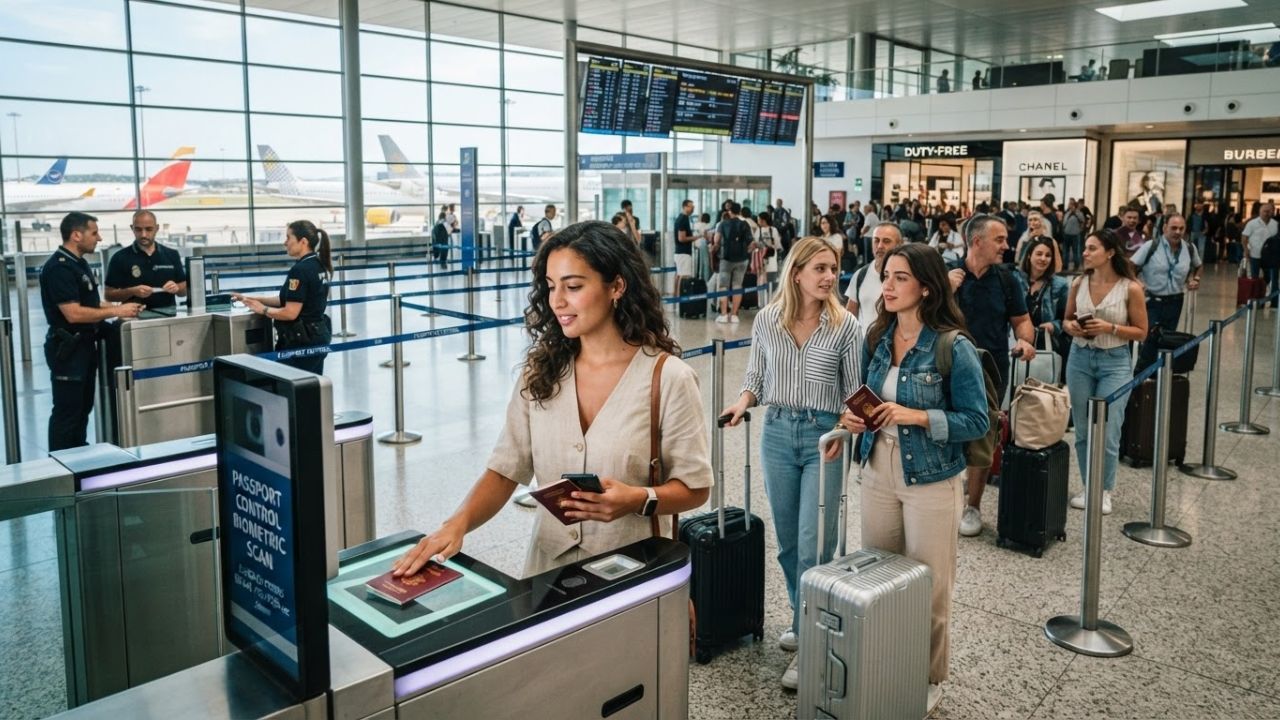
Image generated by AI
[Dublin, July 3] — Millions of international travelers navigating European airports this summer are facing the severe threat of endless passport queues and missed departures as a massive dispute over border processing capacity escalates. Ryanair, currently operating as Europe’s largest airline, has issued a stark warning that the continued implementation of the European Union’s new Entry Exit System (EES) is structurally incompatible with peak seasonal holiday traffic. Designed to mandate biometric fingerprint and facial registrations for all non-EU visitors entering the Schengen area, the system is actively buckling under massive passenger volumes. As international foot traffic intensifies, severe concerns are mounting that frontline airport infrastructure is entirely unprepared, setting the stage for a catastrophic operational meltdown across major continental gateways.
The escalating crisis has forced the European Commission to schedule an urgent emergency meeting with aviation industry representatives next Tuesday. Commercial airlines, airport operators, and global trade organizations are uniformly arguing that maintaining the strict biometric requirements throughout July and August will paralyze passenger movement. Tensions have reached a boiling point, with industry leaders demanding an immediate, system-wide suspension of the EES to prevent widespread holiday disasters.
Ryanair Triggers Alarm Over EES Readiness
A forceful operational alert has been broadcast by Ryanair executives, unequivocally stating that the Entry Exit System has not reached sufficient technical readiness for widespread summer deployment. According to internal carrier assessments, the physical infrastructure required to process biometric data remains vastly under-resourced at airfields that traditionally process extreme volumes of leisure traffic. Airline management argues that vulnerable international families should not be forced into the center of a failing governmental IT rollout during the busiest transit weeks of the calendar year.
The airline explicitly warned that if the system operates at full capacity from mid-July onwards, passengers will face significantly prolonged queues at passport control, resulting in guaranteed missed flights and cascading operational disruption across the entire European airspace network. Consequently, formal requests have already been submitted demanding the immediate suspension of the system until at least September in nations highly exposed to seasonal tourism.
Airlines and Airports Demand Total Summer Suspension
This intense operational panic is not isolated to a single carrier. Airlines for Europe and Airports Council International have officially joined the aggressive pushback against Brussels. Both heavy-hitting aviation organizations have formally petitioned the European Commission to suspend all new border procedures for the duration of July and August. Furthermore, industry lobbyists have suggested that if operational readiness remains unverified, the suspension should be extended completely until next summer.
The primary driver of this unified resistance is terminal logistics. Airport infrastructure, raw staffing levels, and biometric processing terminals simply cannot handle the enormous surge in international arrivals. Industry representatives are also sounding the alarm regarding frontline employee safety; as waiting times spiral out of control, airport personnel are reportedly facing severe verbal abuse and frustration from stranded passengers.
Schengen Airports Facing the Highest Disruption Risks
Based on aggressive leisure travel forecasting, Ryanair has identified a specific network of European airports already experiencing severe operational friction. These facilities possess a highly volatile combination of massive seasonal holiday demand and inadequate biometric processing footprints.
According to flight data analysts, the following airports are currently considered the most vulnerable to an EES-driven meltdown:
- Tenerife South, Spain
- Palma, Spain
- Alicante, Spain
- Málaga, Spain
- Milan Bergamo, Italy
- Krakow, Poland
- Paris Beauvais, France
Unless emergency mitigation measures are deployed immediately, aviation authorities anticipate extreme operational strain at these specific regional hubs as inbound holiday traffic peaks over the next four weeks.
The Operational Mechanics of the Entry Exit System
Under development for a decade, the EES was engineered to fortify Schengen border management by digitizing the exact movements of non-EU nationals. Implementation finally began last October after years of technical delays. During a traveler’s first arrival into the bloc, border guards must actively register their fingerprints and facial images. On subsequent journeys, these digital biometric records are verified during entry and exit checks.
The core objective is to create a flawless digital record of international movements while enhancing continental security. However, this modernization introduces complex new processing steps that inevitably require significantly more physical time at the border control desk than traditional passport stamping. Currently, Ireland and Cyprus remain the only European Union member states explicitly excluded from the EES framework.
European Union Responds With Temporary Relief Measures
European Union officials have publicly conceded that severe temporary challenges are highly likely during the summer rush. To prevent total terminal collapse, authorities have surprisingly granted local airports the operational permission to suspend EES checks entirely at any point during July and August if passenger queues become excessively long and dangerous.
Additionally, emergency border personnel are being scrambled to vulnerable checkpoints. This rapid-response approach was recently utilized at Lisbon airport following an urgent request for operational assistance. Despite the industry panic, EU officials maintain a defensive posture, reporting that average biometric verification processing times currently sit at approximately 70 seconds per passenger, insisting that most airports have not suffered major catastrophic failures during the initial rollout phases.
A Fragmented Rollout Across the Continent
The actual implementation of the EES remains highly fragmented. While the program is officially live, several major tourist markets—including France, Italy, and Greece—have yet to enforce every technical aspect of the system.
Despite these gaps, European authorities confirm that over 100 million entries and exits have already been processed under the new biometric framework. Annual border crossings across participating states are estimated to range between 200 million and 300 million. To date, more than 100 million of the estimated 500 million non-EU citizens who transit the bloc annually have successfully completed their initial biometric registrations.
Why This Matters
Our analysis of the EES rollout indicates a massive, systemic failure in governmental operational planning. By attempting to scale untested, highly complex biometric processing architecture precisely during the absolute peak of the European summer travel season, the EU has essentially engineered a logistical crisis. The 70-second processing time cited by EU officials may sound brief in a vacuum, but when applied to a terminal processing 15,000 non-EU arrivals in a single morning, that metric guarantees compounding, multi-hour delays. By finally granting airports the authority to temporarily abandon the EES checks when queues grow too long, Brussels has essentially admitted that the system is currently unworkable at scale. This guarantees that security protocols will be wildly inconsistent across the continent, directly punishing passengers who arrive during peak hours while rewarding those who slip through when the system is locally deactivated.
Industry Outlook
Market trends suggest that the upcoming emergency meeting between the European Commission and aviation leaders will result in a quiet, de facto suspension of the EES across the most congested Mediterranean hubs for the remainder of the summer. Airlines simply cannot afford the financial ruin associated with thousands of missed connections, and local governments will not risk alienating lucrative international tourists with three-hour passport queues. Over the next 12 months, expect major European airports to demand massive structural funding from Brussels to physically expand their border control halls, as current terminal footprints cannot accommodate the required number of biometric kiosks. Until the infrastructure catches up with the legislation, international travelers navigating the Schengen zone must bake at least two hours of additional buffer time into their airport transit schedules.
Related Travel Guides
- Global Aviation Suffers 2.2% Passenger Collapse as Middle East Conflicts Fracture Key Flight Routes
- Foreign World Cup Fans Ditch Coastal Hubs for Authentic American Tailgates in the Heartland
- TSA Loopholes Revealed: How Passengers Are Legally Carrying Live Fish and Ice Blocks Through Airport Security
- World Cup Tourists Spark Massive U.S. Retail Frenzy Over American Ranch Dressing
- DFW Airport Faces 1.75 Million Passenger Meltdown as July 4th Collides With FIFA World Cup
Disclaimer
This article is for informational and educational purposes only. It does not constitute legal, financial, or professional advice. While we strive to provide accurate and up-to-date information, travel policies, regulations, and conditions change rapidly. Always verify information with official sources before making travel decisions. Nomad Lawyer makes no representations about the accuracy, reliability, completeness, or suitability of the information provided. Readers should consult qualified professionals for advice specific to their circumstances. The views expressed in this article are those of the author and do not necessarily reflect the views of Nomad Lawyer.
Kunal K Choudhary
Co-Founder & Contributor
A passionate traveller and tech enthusiast. Kunal contributes to the vision and growth of Nomad Lawyer, bringing fresh perspectives and driving the community forward.
Learn more about our team →