
TSA Loopholes Revealed: How Passengers Are Legally Carrying Live Fish and Ice Blocks Through Airport Security
As holiday travel surges, savvy flyers are exploiting highly specific TSA exemptions to bypass strict liquid limits and transport unusual items like live aquatic pets directly into aircraft cabins.

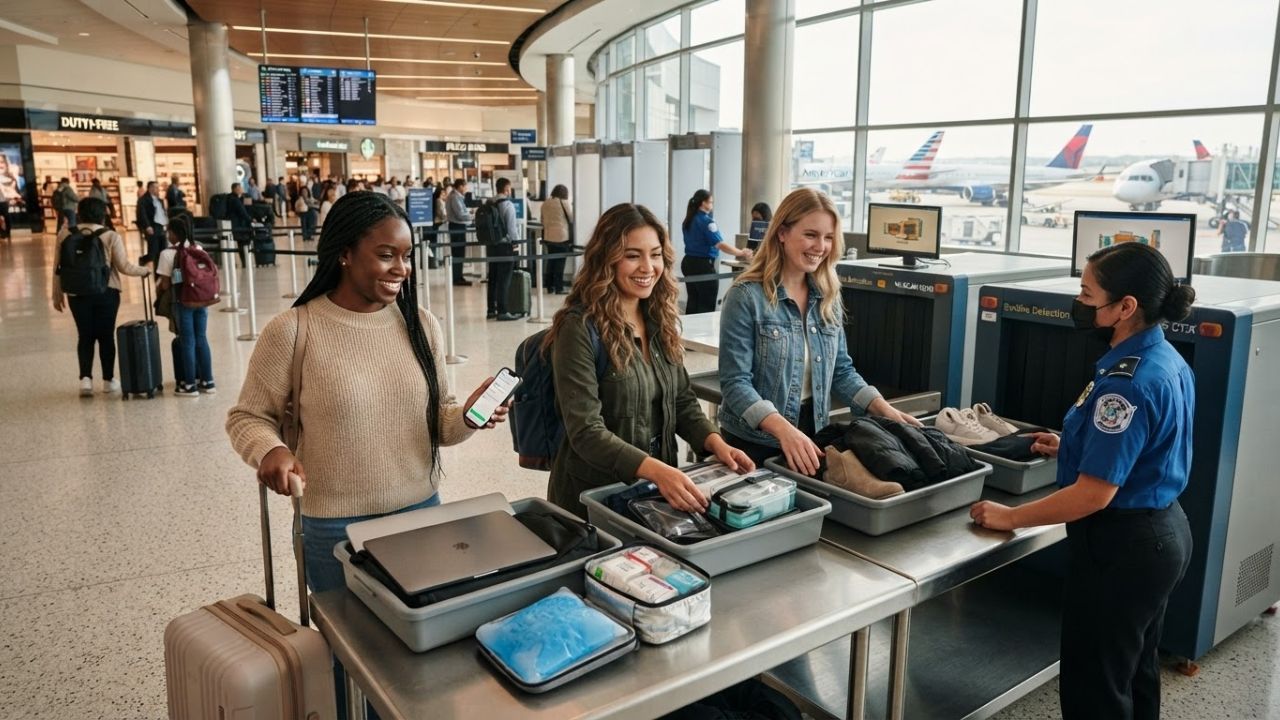
Image generated by AI
[Chicago, July 3] — Across major United States transit hubs stretching from Los Angeles to Chicago, a highly educated segment of commercial passengers is fundamentally rewriting traditional airport security behaviors. While standard security checkpoints remain highly stressful bottlenecks where passengers routinely discard perfectly safe personal belongings, savvy travelers are aggressively leveraging obscure federal guidelines to bypass standard limitations. By understanding precisely which items are exempt from rigid commercial aviation safety protocols, domestic holidaymakers and corporate commuters are successfully carrying seemingly prohibited cargo—including live aquatic pets and large frozen goods—directly into passenger cabins without facing terminal confiscations.
The basic legal architecture dictating United States aviation security is strictly enforced by the Transportation Security Administration (TSA). While administrative manuals published on the TSA.gov database actively uphold the famous 3-1-1 limitation for fluids, gels, and aerosols, federal transport directors maintain a highly flexible, authorized database of unusual exceptions. Because the general public largely misunderstands these structural loopholes, millions of pounds of compliant personal property are unnecessarily dumped into terminal disposal bins annually.
Bypassing Liquid Bans With Live Fish and Solid Ice
The most highly disruptive exemptions verified by federal screeners involve the legal transit of biological and perishable cargo. Despite strict federal bans on standard water bottles, passengers are fully authorized to carry live fish through terminal security, provided the aquatic pets are secured within transparent, spill-proof containers filled with water.
Furthermore, travelers transporting premium gourmet goods or specialized medical supplies can legally carry massive blocks of commercial ice or frozen gel packs directly through the gates. The defining legal metric here is the physical state of the item: the cooling elements must remain completely frozen solid upon entering the screening machine. If any melting has occurred and standing liquid or slush is present, the item immediately defaults to standard fluid restrictions and will face automatic rejection by frontline agents.
CT Scanners and Strategic Staging Accelerate Processing
Our analysis of aviation data indicates a direct correlation between public awareness of these baggage permissions and massive upward surges in passenger throughput speeds. The rapid deployment of advanced computed tomography (CT) scanners across major metropolitan airports currently allows screening agents to aggressively evaluate complex materials without forcing passengers to deconstruct their carry-on luggage.
Tourism boards confirm that these technical upgrades function best when passengers proactively stage unusual items. By independently separating authorized oddities—such as solid pies, knitting needles, and specific medical equipment—flyers prevent automated X-ray line stoppages, alleviating systemic terminal congestion.
Key Facts Breakdown
- Live Fish Transport: Completely legal if stored in a transparent, spill-proof water container and declared to supervisors upon arrival.
- Frozen Goods Exception: Solid blocks of ice and frozen gel packs are exempt from the 3-1-1 rule, but any melted slush triggers automatic confiscation.
- Hand Tools: Tools measuring under seven inches in length are officially permitted in carry-on bags.
- Additional Exemptions: Solid pies, knitting needles, and specific medical equipment are widely permitted.
- Staging Protocol: Place highly unusual items flat inside independent plastic screening bins to avoid X-ray blockages.
- Digital Verification: Travelers should utilize the federal "What Can I Bring?" search portal on TSA.gov for real-time legal reviews before packing.
Why This Matters
The widespread exploitation of these highly specific TSA loopholes highlights a massive structural inefficiency within the commercial aviation sector: the massive information gap between federal regulators and the flying public. When everyday travelers unnecessarily surrender solid food items, short tools, or frozen gel packs because they blindly assume a blanket ban exists, they create massive, localized delays at the checkpoint. By mastering these exemptions and independently utilizing TSA digital verification portals, passengers are shifting the operational burden away from frontline security staff. This informed compliance effectively weaponizes federal regulations in the traveler’s favor, permanently eliminating the anxiety of the security lane and ensuring high-value personal goods actually make it to the destination.
Industry Outlook
Market trends suggest that as advanced CT scanners achieve total market saturation across all U.S. transit hubs over the next 24 months, the TSA will likely expand its database of approved cabin exemptions. As screening software becomes highly proficient at differentiating between benign biological cargo (like live fish) and volatile liquid threats, expect federal aviation authorities to quietly relax restrictions on other complex household items. In the immediate future, terminal operators will increasingly deploy digital signage and automated mobile alerts specifically detailing these obscure loopholes, pushing travelers to pre-sort their unusual cargo before reaching the belts. Passengers who refuse to utilize the "What Can I Bring?" digital tool will continue to face unnecessary confiscations, while informed flyers will navigate peak holiday bottlenecks with zero friction.
Related Travel Guides
- Foreign World Cup Fans Ditch Coastal Hubs for Authentic American Tailgates in the Heartland
- World Cup Tourists Spark Massive U.S. Retail Frenzy Over American Ranch Dressing
- How Resident Advisor is Structurally Redefining Global Nightlife Tourism
- Bumbayé Festival de Verano Drives Massive Cultural Tourism Surge to Cali
- Global Aviation Suffers 2.2% Passenger Collapse as Middle East Conflicts Fracture Key Flight Routes
Disclaimer
This article is for informational and educational purposes only. It does not constitute legal, financial, or professional advice. While we strive to provide accurate and up-to-date information, travel policies, regulations, and conditions change rapidly. Always verify information with official sources before making travel decisions. Nomad Lawyer makes no representations about the accuracy, reliability, completeness, or suitability of the information provided. Readers should consult qualified professionals for advice specific to their circumstances. The views expressed in this article are those of the author and do not necessarily reflect the views of Nomad Lawyer.
Kunal K Choudhary
Co-Founder & Contributor
A passionate traveller and tech enthusiast. Kunal contributes to the vision and growth of Nomad Lawyer, bringing fresh perspectives and driving the community forward.
Learn more about our team →