
Russia Vows to Maintain Civil Aviation Operations After Zelensky 2026 Airspace Security Warning
Russian transport authorities pledge to keep domestic and international flights running despite President Zelensky's warnings that expanding Ukrainian drone campaigns make Russian airspace hazardous for commercial aviation.

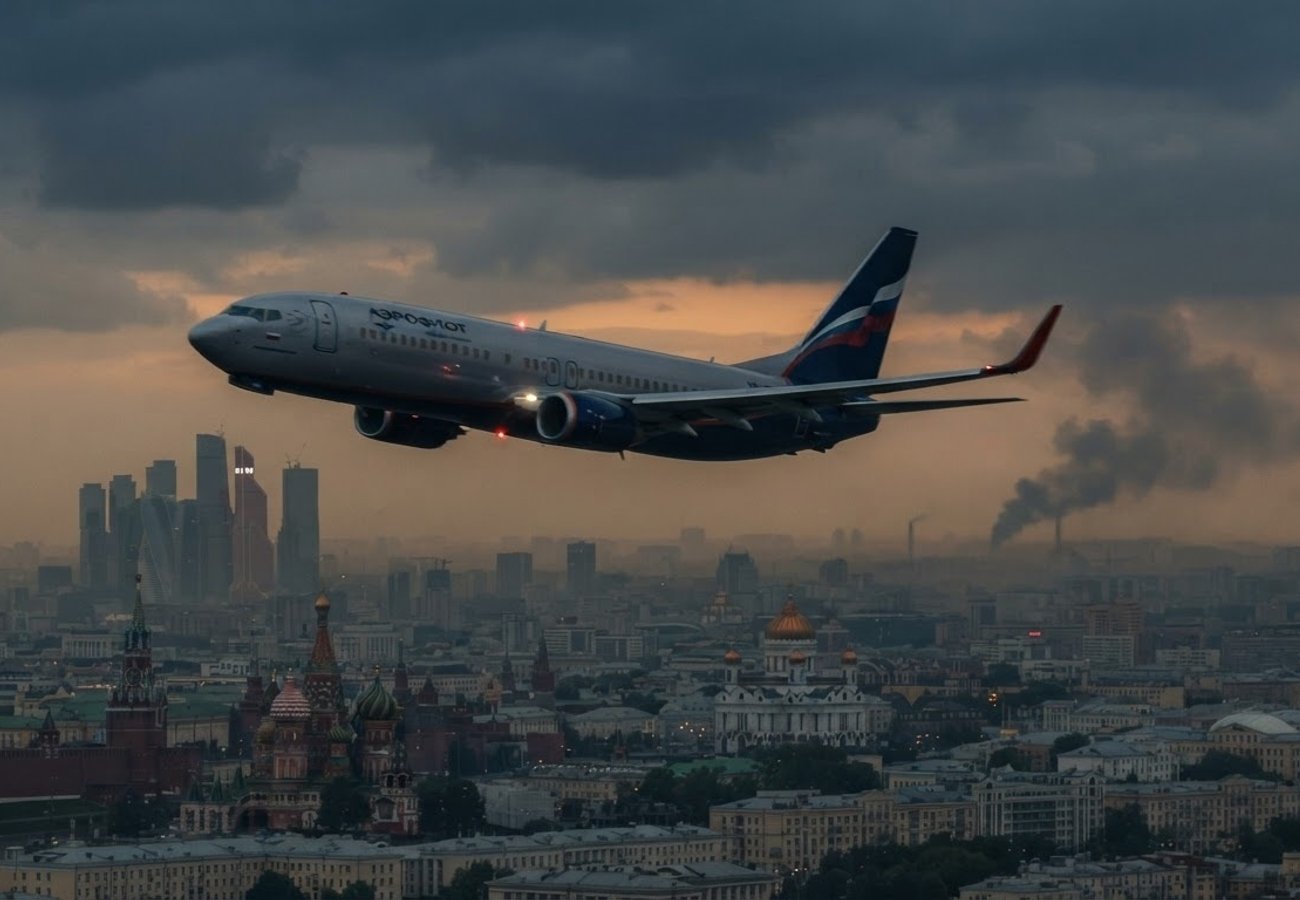
Image generated by AI
Russian transport authorities are moving to reassure passengers and airlines that domestic flights will continue operating despite a formal warning from Ukrainian President Volodymyr Zelensky. The Ukrainian leader has cautioned carriers and insurers that expanding long-range drone campaigns are making Russian airspace increasingly hazardous for commercial aviation.
The tension arises as Ukraine intensifies drone operations targeting oil facilities, logistics hubs, and military infrastructure deep within Russian territory. President Zelensky recently addressed airlines and insurance organizations, stating that "drone-infested skies" effectively mean Russian airspace is closing and that the risks to civilian flight paths can no longer be ignored.
Kyiv has formally notified international aviation bodies of this security assessment. This included the issuance of a Notice to Air Missions (NOTAM), which Moscow has rejected as illegitimate. The Ukrainian government maintains that the primary risk is not the intentional targeting of civilians, but the high probability of miscalculation in a combat zone where air defenses, cruise missiles, and drones operate simultaneously.
Operational Response from Moscow
Russia is projecting a narrative of continuity. Transport Minister Andrei Nikitin stated that civil aviation regulators are tightening flight safety and airport security requirements in coordination with security agencies. Nikitin expressed confidence that authorities will prevent any "significant disruption" to civil aviation.
Moscow emphasizes that domestic links between major hubs—specifically Moscow and St Petersburg—and key regional centers remain operational. The Russian government asserts that its air defense systems can intercept incoming drones without impacting commercial traffic. State-aligned outlets have framed the Ukrainian warnings as psychological warfare intended to sow panic and further isolate Russia from global travel networks.
Immediate Impact on Aviation Infrastructure
Despite official assurances, flight tracking data and airport boards indicate uneven operational stability. Following the warning, major Moscow airports, including Sheremetyevo and Vnukovo, recorded dozens of cancellations and delays. These disruptions add to existing strains caused by international sanctions and weather-related challenges.
Foreign carriers are beginning to reassess their risk exposure:
- Turkish Carriers: At least one Turkish low-cost carrier has cancelled specific flights to Russia, citing "technical and operational" reasons.
- Overflight Routes: Airlines from the Gulf states, India, and parts of Asia continue to use Russian skies, but face increasing pressure from insurers.
- Western Airlines: Most Western carriers have already avoided Russian airspace since 2022, incurring significant rerouting costs.
Risk Assessment for 2026
Aviation safety consultants warn that the environment is evolving. One risk advisory firm indicates that while most strikes occur near the border, attacks targeting Moscow and St Petersburg are now "near-certain" on a daily basis through 2026.
The combination of high-tempo air defense activity, electronic warfare, and unmanned systems increases the likelihood of debris incidents or misidentification. For airlines and insurers, the decision to operate depends on a volatile mix of state advisories, NOTAMs, and third-party risk assessments.
Passenger and Insurance Considerations
For travelers, the current climate introduces significant itinerary uncertainty. Industry specialists recommend verifying whether a chosen airline overflies Russia or serves its airports, as policies may shift rapidly.
Insurance remains a critical variable. Many aviation and travel policies contain specific clauses regarding:
- War risk in sanctioned territories.
- Force majeure events connected to active conflict.
- Diversions and cancellations resulting from airspace closures.
As Ukraine signals an intent to intensify long-range strikes and Russia maintains its pledge to keep skies open, the balance between commercial demand and security risk has reached a critical tipping point.
The intersection of commercial aviation and active drone warfare creates a high-stakes environment for global carriers.
Related Travel Guides
Disclaimer
This article is for informational and educational purposes only. It does not constitute legal, financial, or professional advice. While we strive to provide accurate and up-to-date information, travel policies, regulations, and conditions change rapidly. Always verify information with official sources before making travel decisions. Nomad Lawyer makes no representations about the accuracy, reliability, completeness, or suitability of the information provided. Readers should consult qualified professionals for advice specific to their circumstances. The views expressed in this article are those of the author and do not necessarily reflect the views of Nomad Lawyer.
Naina Thakur
Contributor & Travel Specialist
Travel enthusiast and legal writer covering visa regulations, responsible tourism, and cultural journeys across global destinations.
Learn more about our team →