
Africa Shifts Tourism Strategy: Prioritizing Economic Value Over Visitor Volume in 2026
African nations are abandoning raw arrival counts to focus on 'economic leakage' and high-yield tourism, aiming to grow regional output to US$241 billion by 2026.

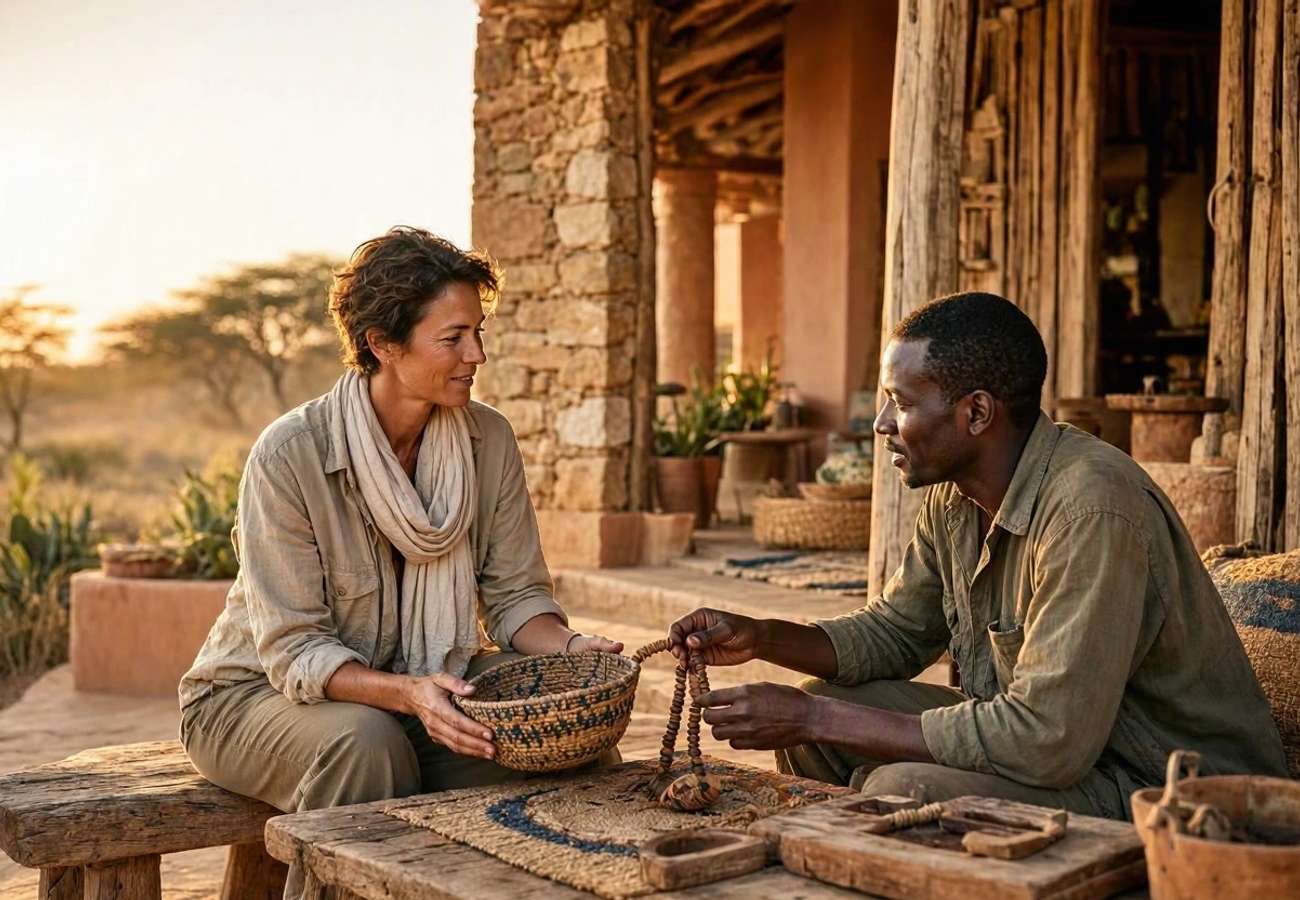
Image generated by AI
Measuring success by airport gate counts is a relic of the past; in 2025, the travel sector generated US$228 billion across Africa, yet much of that wealth vanished through "economic leakage" before it could reach local hands. The new mandate for the continent is not to attract more people, but to ensure that every dollar spent stays within the community.
The Pivot From Volume to Value
For decades, the metric for a successful destination was simple: how many passports were stamped? However, a systemic shift is occurring across the continent, particularly in hubs like Nigeria. The focus has moved toward the "financial ripple effect"—the idea that a single transaction at a boutique hotel should fund a local farmer's harvest or a neighborhood artisan's workshop.
The numbers tell a story of massive scale. In 2025, the hospitality and travel sector accounted for nearly 7% of the total regional gross domestic product (GDP), supporting 30.2 million jobs. By 2026, these figures are projected to climb, with total regional output expected to reach US$241 billion and employment rising to 31.5 million positions. This growth isn't just about hotels; it is about the interconnectedness of public transit, agricultural supply chains, and cultural performance spaces.
What Makes the African Model Different
Unlike the mass-tourism models seen in parts of Europe or Southeast Asia, the emerging African strategy prioritizes "yield per visitor." This means attracting the eco-conscious traveler, the specialized researcher, or the long-term business executive over the short-term mass tourist.
The goal is to increase the Average Length of Stay (ALOS) and the Average Spend Per Visitor (ASPV). When a guest stays longer, their spending penetrates deeper into neighborhood ecosystems rather than remaining trapped in "tourist bubbles." To track this, governments are adopting the Tourism Satellite Account (TSA) framework, a standardized model developed by UN Tourism to measure indirect and induced economic contributions.
Regional Economic Projections (2025-2026)
| Metric | 2025 Actual | 2026 Projection | Trend |
|---|---|---|---|
| Total Regional Output | US$228 Billion | US$241 Billion | $\uparrow$ 5.7% |
| Sector-Supported Jobs | 30.2 Million | 31.5 Million | $\uparrow$ 4.3% |
| GDP Contribution | ~7% | Increasing | $\uparrow$ |
Visitor Insider Tips
If you are traveling to West Africa or sub-Saharan regions during this transition, your choices directly impact the local economy.
- Avoid the "Leakage" Loop: Steer clear of international resort franchises and offshore booking platforms. Instead, use local guides and independently owned boutique guesthouses.
- Extend Your Stay: Rather than hitting five cities in ten days, pick two. Long-stay itineraries are currently incentivized by local authorities as they reduce the strain on urban transport systems.
- Shop Indigenous: Seek out artisan workshops and regional dining venues. In cities like Lagos or Abuja, the most authentic experiences are found in neighborhood markets, not hotel lobbies.
- Transport Hacks: Use regional transit networks where possible. The shift toward modernizing transport is designed to move visitors away from concentrated hubs and into smaller, community-led destinations.
Cultural and Environmental Context
The fight against "economic leakage" is as much about cultural preservation as it is about money. When foreign-owned entities dominate the tourism landscape, local traditions often become commodified performances for a crowd. By empowering local entrepreneurs through affordable expansion loans and vocational training, African nations are ensuring that cultural assets remain in the hands of the people who created them.
Furthermore, this shift addresses the environmental degradation caused by mass arrivals. By prioritizing high-value, low-impact visitors, destinations can protect their natural capital—the forests, wildlife, and coastlines—while still increasing their revenue. This balance is essential for the long-term viability of UNESCO World Heritage sites across the continent.
FAQ: Visiting Africa 2026
What is the best way to support the local economy? Prioritize independently owned accommodations and eat at regional dining venues. Avoid international chains and use local guides who can introduce you to authentic artisan workshops.
Do I need a visa for Nigeria or other African hubs? Visa requirements vary by nationality. It is highly recommended to check the official Nigeria Immigration Service or your respective embassy for the most current e-visa protocols.
Is it safe for solo travelers in 2026? Yes, as destination authorities increase funding for public safety and hospitality skill development, infrastructure is improving. Always use registered transport and stay updated on local travel advisories.
How do I find "high-yield" sustainable experiences? Look for operators certified in eco-tourism or those partnered with community-based tourism initiatives that emphasize direct financial returns to the local village or neighborhood.
Travel is no longer about the number of footprints left behind, but the depth of the value remaining.
Related Travel Guides
Disclaimer
This article is for informational and educational purposes only. It does not constitute legal, financial, or professional advice. While we strive to provide accurate and up-to-date information, travel policies, regulations, and conditions change rapidly. Always verify information with official sources before making travel decisions. Nomad Lawyer makes no representations about the accuracy, reliability, completeness, or suitability of the information provided. Readers should consult qualified professionals for advice specific to their circumstances. The views expressed in this article are those of the author and do not necessarily reflect the views of Nomad Lawyer.
Preeti Gunjan
Contributor & Community Manager
A passionate traveller and community builder. Preeti helps grow the Nomad Lawyer community, fostering engagement and bringing the reader experience to life.
Learn more about our team →