
Belize Barrier Reef Snorkeling Guide 2026: Best Sites, Depths, and Marine Life Locations
Expert analysis of the Belize Barrier Reef snorkeling regions, comparing Hol Chan, Mexico Rocks, and Laughing Bird Caye for depth, current, and wildlife encounters.

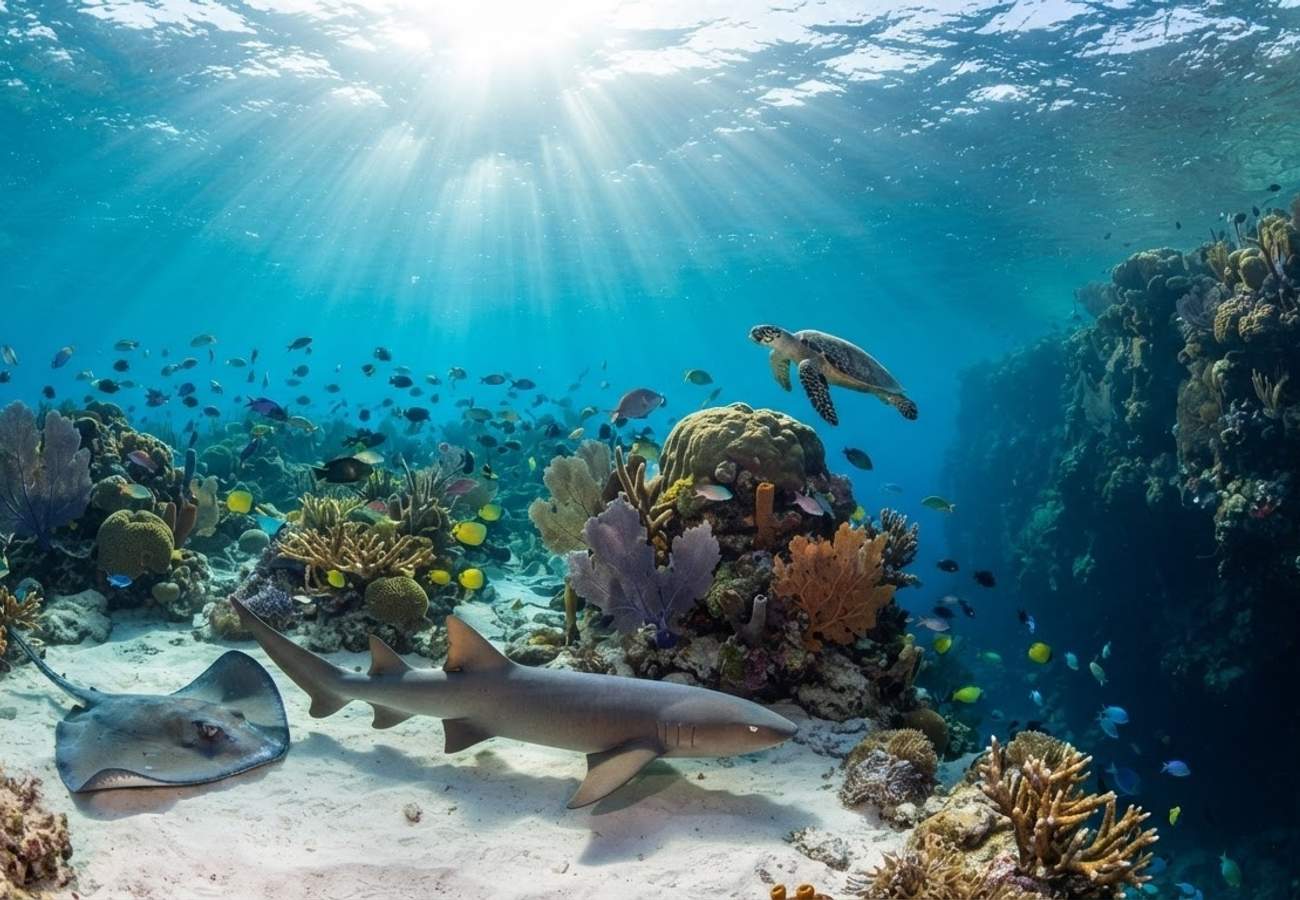
Image generated by AI
The Belize Barrier Reef is not a monolithic destination, but a complex network of distinct reef systems, cayes, and atolls that offer vastly different underwater experiences depending on the coordinates. For travelers planning a 2026 visit, selecting a base and tour based on specific marine goals—rather than generic "reef tours"—is the difference between a mediocre swim and a world-class encounter with megafauna.
Mapping the Belize Barrier Reef for Divers and Snorkelers
The geography of the Belize Barrier Reef runs parallel to the mainland, creating a protected lagoon between the shore and the open Caribbean. The layout is essentially divided into northern hubs and southern retreats. Ambergris Caye and Caye Caulker serve as the primary gateways to the north, providing the fastest access to high-profile sites like Hol Chan and Mexico Rocks.
Further south, the atmosphere shifts toward the quieter waters of Placencia. This region provides access to more secluded areas, including Tobacco Caye, South Water Caye, and the remote Silk Cayes. For those seeking absolute isolation, offshore atolls such as Turneffe and Lighthouse exist beyond the main barrier, though these require significant financial investment and longer transit times, often necessitating overnight stays.
Logistically, most visitors utilize organized boat charters. From San Pedro on Ambergris Caye, half-day excursions are standard, typically combining Hol Chan with Shark Ray Alley. These trips involve approximately 45 minutes of total boat time. In contrast, tours departing from Placencia are more extensive, with boat rides lasting between 45 and 90 minutes to reach destinations like Laughing Bird Caye. These are almost exclusively full-day affairs that include beach landings for lunch.
Hol Chan and Shark Ray Alley: High-Density Wildlife Encounters
Hol Chan Marine Reserve is positioned at a strategic natural break in the barrier reef off the coast of Ambergris Caye. This gap functions as a biological corridor, allowing marine life to migrate between the inner lagoon and the open ocean. Snorkelers here typically operate in depths ranging from 15 to 30 feet. While the water is too deep for standing, the visibility is generally superior, creating the sensation of floating over a submerged canyon.
The biodiversity at Hol Chan is concentrated. Visitors frequently encounter sea fans, coral gardens, and schools of grunts. More significant sightings include hawksbill and green turtles, eagle rays, large groupers, and nurse sharks. Because this is a high-traffic zone, currents can become pronounced during tidal shifts. While manageable for beginners, those less comfortable in deep water typically rely on life vests provided by operators.
A short 5-to-10-minute boat ride from the main reserve leads to Shark Ray Alley. This site is a shallow, sandy cut where depths only reach 5 to 12 feet. Due to historical fishing practices and occasional light chumming by guides, this area has become a predictable gathering point for southern stingrays and nurse sharks. Snorkelers find themselves eye-level with sharks measuring four to six feet in length.
Mexico Rocks: The Ideal Choice for Novice Snorkelers
For those who find the deep channels of Hol Chan intimidating, Mexico Rocks offers a contrasting experience. Located north of San Pedro, this is a system of shallow patch reefs. The depth here is significantly lower, typically between 4 and 10 feet, with coral heads rising from a seagrass floor.
The primary draw of Mexico Rocks is the stability of the water. Because it is sheltered from the open ocean's swells, surface chop and currents are minimal. This makes it the premier choice for families with children or first-time ocean swimmers. The focus here is on botanical and structural beauty—hard coral mounds and soft corals—rather than the "big animal" adrenaline of Shark Ray Alley.
Operators based in Caye Caulker often bundle these experiences into comprehensive full-day itineraries. A typical schedule involves a 10:30 AM departure, stopping at Hol Chan and Shark Ray Alley, followed by a visit to a local coral garden or a seahorse spotting site, returning near sunset.
Southern Reefs and the Placencia Experience
Placencia offers a more serene alternative to the bustling northern islands. The standout destination in this region is the Laughing Bird Caye National Park. Reaching this site requires a boat ride of 45 to 60 minutes from the Placencia mainland.
The snorkeling at Laughing Bird Caye is characterized by its inner-reef positioning, which ensures calmer conditions. Depths generally fluctuate between 5 and 15 feet. The environment is dominated by patch reefs and sandy clearings, allowing snorkelers to stand and recover without risking damage to the coral. While the concentration of sharks is lower than in the north, the area is rich in sponges, colorful hard corals, and various ray species.
Comparative Snorkeling Data for Belize Reef Sites
| Site Name | Typical Depth | Current Level | Primary Wildlife | Ideal For | Trip Duration |
|---|---|---|---|---|---|
| Hol Chan | 15–30 ft | Moderate | Turtles, Groupers, Rays | Experienced Snorkelers | Half-Day |
| Shark Ray Alley | 5–12 ft | Low | Nurse Sharks, Stingrays | Wildlife Enthusiasts | Half-Day |
| Mexico Rocks | 4–10 ft | Very Low | Hard Corals, Juvenile Fish | Families & Beginners | Half-Day/Full-Day |
| Laughing Bird Caye | 5–15 ft | Low | Sponges, Rays, Reef Fish | Quiet Seekers | Full-Day |
Why This Matters: Choosing Your Experience
For the traveler, the distinction between these sites is not just about location, but about psychological comfort and biological interest. If you are a "serious" snorkeler looking for high-action encounters with apex predators and large marine reptiles, the Ambergris Caye hub (Hol Chan/Shark Ray Alley) is the only logical choice. The depth and current provide a more authentic "ocean" feel.
However, from a logistical standpoint, if you are traveling with children or individuals who suffer from anxiety in deep water, Mexico Rocks or Laughing Bird Caye provide a "natural aquarium" experience. The ability to stand in 5 feet of water while observing a parrotfish grazing on coral removes the stress of buoyancy and current, allowing for better photography and observation.
Ultimately, the "best" spot depends on your priority: the adrenaline of a shark encounter in the north or the tranquil, shallow coral gardens of the south.
The Belize Barrier Reef remains one of the few places on Earth where a beginner and a veteran snorkeler can find perfectly tailored environments within the same national border.
Related Travel Guides
Disclaimer
This article is for informational and educational purposes only. It does not constitute legal, financial, or professional advice. While we strive to provide accurate and up-to-date information, travel policies, regulations, and conditions change rapidly. Always verify information with official sources before making travel decisions. Nomad Lawyer makes no representations about the accuracy, reliability, completeness, or suitability of the information provided. Readers should consult qualified professionals for advice specific to their circumstances. The views expressed in this article are those of the author and do not necessarily reflect the views of Nomad Lawyer.
Preeti Gunjan
Contributor & Community Manager
A passionate traveller and community builder. Preeti helps grow the Nomad Lawyer community, fostering engagement and bringing the reader experience to life.
Learn more about our team →