
Russia Tests Tourist Mir Digital Payments at Major Airports: Pre-Arrival E-Visa Wallet for International Visitors
Russia develops Tourist Mir digital wallets at Moscow and St. Petersburg airports, linking unified e-visas with mobile payments for international visitors.

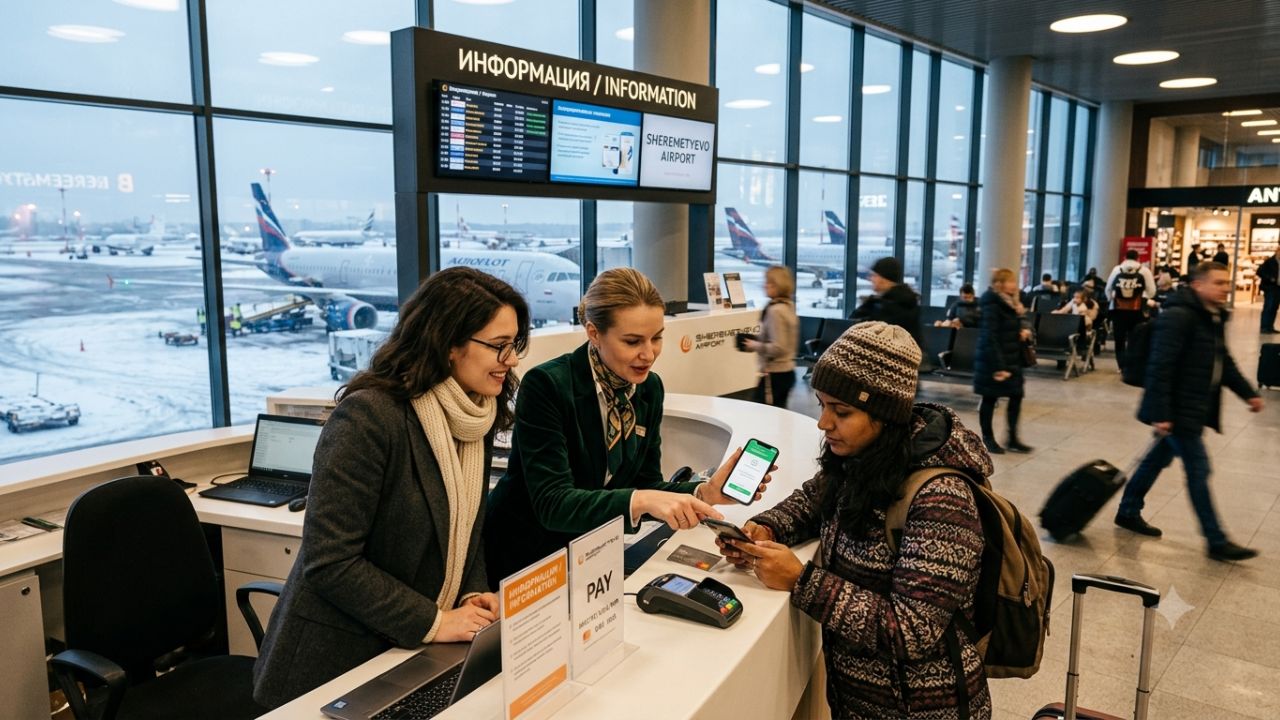
Russia's Tourist Mir initiative aims to link unified electronic visas with mobile-based Mir payment wallets for international arrivals.
Russia is developing a specialized digital payment framework dubbed "Tourist Mir" across major international gateways in Moscow and St. Petersburg, enabling foreign travelers to access pre-arrival virtual wallets linked directly to their electronic visas. The joint initiative—spearheaded by the Ministry of Economic Development and the Federal Air Transport Agency (Rosaviation) alongside domestic payment operators—aims to eliminate severe payment friction caused by the disconnection of international banking cards inside the country. Under the proposed framework, eligible international arrivals will be able to complete digital onboarding before departure, activating mobile-based payment tools to settle hotel bills, buy domestic air tickets, and book high-speed rail journeys without relying entirely on physical cash currency exchanges.
The pilot program targets three primary international aviation hubs: Sheremetyevo International Airport (SVO) and Domodedovo International Airport (DME) serving the Moscow metropolitan area, alongside Pulkovo Airport (LED) in St. Petersburg. By integrating registration directly with Russia's unified electronic visa (e-visa) portal, the government seeks to establish a seamless digital pipeline, allowing foreign tourists and business travelers from Asia, the Middle East, and Latin America to establish a digital rouble balance before clearing border controls.
                           ┌──────────────────────────────────────────────┐
                           │    "Tourist Mir" Pre-Departure Pipeline      │
                           └──────────────────────┬───────────────────────┘
                                                  │
                 ┌────────────────────────────────┴───────────────────────────────┐
                 ▼                                                               ▼
        ┌──────────────────────────────────┐                    ┌──────────────────────────────────┐
        │   Step 1: Unified E-Visa Portal  │                    │    Step 2: Digital Onboarding    │
        ├──────────────────────────────────┤                    ├──────────────────────────────────┤
        │ • Online visa application        │                    │ • Financial KYC verification     │
        │ • Country eligibility screening  │                    │ • Pre-funding virtual rouble bal │
        │ • Biometric photo upload         │                    │ • Mobile card issuance           │
        └─────────────────┬────────────────┘                    └─────────────────┬────────────────┘
                          │                                                       │
                          └───────────────────────┬───────────────────────────────┘
                                                  │
                                                  ▼
                        ┌──────────────────────────────────────────────────┐
                        │       Step 3: Airport Touchdown & Activation     │
                        ├──────────────────────────────────────────────────┤
                        │ • Sheremetyevo (SVO) / Domodedovo (DME) / Pulkovo│
                        │ • Contactless NFC / QR code mobile activation    │
                        │ • Eliminates predatory landside currency kiosks │
                        └─────────────────┬────────────────────────────────┘
                                          │
                                          ▼
                        ┌──────────────────────────────────────────────────┐
                        │      Step 4: Nationwide Domestic Commerce        │
                        ├──────────────────────────────────────────────────┤
                        │ • RZD Russian Railways (Sapsan high-speed train) │
                        │ • Domestic flights (Aeroflot, S7 Airlines)       │
                        │ • Regional hotels, restaurants, and metro transit│
                        └──────────────────────────────────────────────────┘
The Financial Hurdle: Resolving Cashless Payment Friction for Foreign Travelers
The operational push behind Tourist Mir addresses one of the most persistent bottlenecks facing Russia's post-2022 inbound tourism industry. Following the withdrawal of Western payment networks including Visa, Mastercard, and American Express from the Russian domestic market, foreign-issued bank cards ceased functioning across domestic point-of-sale (POS) terminals, automated teller machines (ATMs), and domestic booking portals.
For incoming visitors, this banking severance created acute logistical obstacles:
- Cash Dependency and Security Risks: International tourists arriving from China, India, the United Arab Emirates, and Southeast Asia have been forced to transport large quantities of physical foreign cash (primarily US Dollars, Euros, or Chinese Yuan) to exchange upon landing.
- Predatory Terminal Exchange Rates: Airport currency exchange counters frequently charge steep spreads and transaction commissions, diminishing the effective purchasing power of arriving visitors before they exit the terminal.
- Inability to Pre-Book Domestic Travel: Foreign cards cannot process transactions on Russian online portals, preventing tourists from pre-purchasing tickets for the Sapsan high-speed train between Moscow and St. Petersburg or reserving domestic regional flights with Aeroflot or S7.
By introducing a pre-funded virtual card connected to the domestic Mir payment network, authorities intend to restore the basic digital convenience standard in modern global travel.
The Gateway Triangle: Sheremetyevo, Domodedovo, and Pulkovo
The initial rollout concentrates resources on Russia's three most active international passenger gateways, creating a standardized reception corridor for arriving foreign nationals.
                           The International Gateway Corridor

                ┌───────────────────────────────────────────────────────┐
                │          Moscow Aviation Hub (Primary Entry)          │
                ├───────────────────────────┬───────────────────────────┤
                │ Sheremetyevo (SVO)        │ Domodedovo (DME)          │
                │ • Aeroflot hub & Asia con │ • Middle East & Gulf con  │
                │ • Automated terminal desk │ • Fast digital onboarding │
                └───────────────────────────┴───────────────────────────┘
                                            │
                                            ▼
                ┌───────────────────────────────────────────────────────┐
                │        Pulkovo Airport (LED) - St. Petersburg         │
                ├───────────────────────────────────────────────────────┤
                │ • Northern cultural gateway & Baltic air link         │
                │ • Pre-cleared e-visa tourist processing               │
                │ • Direct integration with urban public transit        │
                └───────────────────────────────────────────────────────┘
- Sheremetyevo International Airport (SVO): Handling the majority of long-haul flights from mainland China, East Asia, and Central Asia, Sheremetyevo will serve as the primary stress-test facility for high-volume digital registrations.
- Domodedovo International Airport (DME): As a key hub for direct passenger services connecting Moscow with the Persian Gulf, Turkey, and North Africa, Domodedovo's infrastructure will test multi-currency conversion mechanisms.
- Pulkovo Airport (LED) in St. Petersburg: Functioning as the country’s cultural tourist capital, Pulkovo’s deployment ensures that independent travelers heading to the Hermitage Museum and imperial palaces have direct contactless payment capabilities upon touchdown.
The table below compares the primary financial channels currently accessible to foreign tourists visiting Russia alongside the proposed Tourist Mir architecture:
| Payment Mechanism | Acceptance Footprint | Onboarding Complexity | Practical Limitations for Travelers |
|---|---|---|---|
| Tourist Mir (Proposed) | 100% of Russian Mir POS terminals | Digital pre-registration via unified e-visa portal | Dependent on bilateral banking agreements and KYC verification |
| Physical Cash (Roubles) | Universal across all merchants | Requires physical currency exchange upon landing | Vulnerable to theft, poor airport spreads, and carrying limits |
| Foreign UnionPay Cards | Selective (major retail and hotels) | Issued by foreign banks prior to departure | High POS terminal failure rates and frequent ATM rejections |
| Western Cards (Visa/MC) | 0% within Russian territory | Standard domestic cards | Completely blocked due to financial sanctions and network bans |
E-Visa Synergy: Coordinating Visa Issuance With Pre-Departure Financial Onboarding
A core feature of the Tourist Mir proposal is its structural alignment with Russia’s unified electronic visa system. Launched to streamline entry for citizens of approximately 55 recognized nations, the e-visa portal allows foreign visitors to secure tourism, business, and humanitarian entry permits entirely online without visiting an embassy or consulate.
Linking payment onboarding to this existing digital touchpoint creates clear operational efficiencies:
- Single-Window Identity Verification: The identity documents, passport scans, and personal biographical data submitted during the e-visa application can simultaneously fulfill the "Know Your Customer" (KYC) requirements mandated by Russian banking regulators.
- Pre-Funding Mechanisms: Travelers can link international bank accounts or payment gateways in eligible partner nations (such as China, India, or GCC states) to transfer travel capital into their virtual rouble wallet prior to boarding their flight.
- Instant Mobile Issuance: Upon receiving visa confirmation, the user receives digital credentials to load their virtual Mir card into domestic mobile payment applications, ready for NFC contactless payments upon arrival.
However, aviation and regulatory analysts emphasize that visa approval does not automatically guarantee financial access. Payment account authorization requires compliance with anti-money laundering (AML) frameworks, cross-border banking clearing rules, and national central bank oversight.
       Payment Route Accessibility Across Domestic Transport Infrastructure

  High-Speed Rail ──────────────────────────────────────────► Sapsan Train (Moscow–SPb)
                                                             (Immediate digital ticket
                                                              issuance via virtual wallet)
                                            ┌───────────┐
  Domestic Aviation ──► Regional Network    │ Universal │
        ┌───────────┐                       │ Transit   │
        │ Aeroflot  │                       │ Coverage  │
        │ S7 Routes │                       └───────────┘
        └───────────┘
Domestic Mobility: Facilitating Russian Railways (RZD) and Regional Flights
The strategic significance of Tourist Mir extends far beyond airport retail concessions. Russia's physical expanse means that international tourists rarely confine their itineraries to a single city. Facilitating seamless payments across national transport backbones is essential for dispersing visitor spending into regional destinations.
With an active virtual Mir balance, overseas visitors gain direct access to critical domestic transportation systems:
- Russian Railways (Rossiyskie Zheleznye Dorogi - RZD): Tourists can independently purchase tickets for the flagship Sapsan high-speed train linking Moscow and St. Petersburg in under four hours, as well as sleeper services along the Trans-Siberian corridor and Golden Ring heritage circuits.
- Regional Airline Networks: Travelers can book domestic flights operated by Aeroflot, Rossiya, and S7 Airlines to reach Lake Baikal, the Altai Mountains, Kazan, and Sochi without using third-party intermediary agencies.
- Urban Metro Networks: Moscow and St. Petersburg boast world-renowned underground transit systems that utilize turnstile-based contactless payment readers, allowing virtual Mir holders to tap their phones directly at metro gates.
Cybersecurity, Conversion Spreads, and Merchant Acceptance Realities
Despite the strong commercial rationale, the implementation of Tourist Mir faces several complex operational and financial questions:
- Foreign Exchange Spreads: International visitors require transparent exchange rates when converting home currencies into Russian roubles. If conversion spreads or intermediary wire fees are excessive, travelers will continue to favor physical cash transactions.
- Merchant Acceptance Consistency: While the Mir network is legally mandated across all standard POS card terminals in Russia, small market stalls, regional souvenir kiosks, and provincial taxi operators frequently prefer cash or domestic peer-to-peer bank transfers (Fast Payment System - SBP), which may not support foreign-held virtual accounts.
- Data Security and Privacy Standards: Handling foreign passport data and cross-border financial transactions necessitates rigorous encryption protocols to protect sensitive consumer information from cyber intrusions.
Practical Considerations: What International Travelers Must Know
Travelers planning journeys to the Russian Federation should evaluate current logistical rules carefully:
- Verify E-Visa Eligibility: Confirm that your nationality is included on the official list of eligible states for Russia's unified electronic visa before planning pre-arrival payment onboarding.
- Maintain Contingency Cash Reserves: Until Tourist Mir is fully operational across all commercial sectors, international travelers should continue carrying sufficient physical foreign currency (crisp, unblemished US Dollar or Euro banknotes issued post-2013) to cover unexpected card reader failures.
- Monitor Official Government Releases: Prospective travelers should consult official announcements from the Russian Ministry of Economic Development and Rosaviation, as testing schedules, partner bank lists, and wallet balance caps remain subject to ongoing legislative adjustments.
Frequently Asked Questions
What is the "Tourist Mir" payment project in Russia?
Tourist Mir is a proposed digital payment service designed to allow international visitors to register online before departure, receive a virtual Mir payment card, and make cashless payments using their mobile phones across Russia.
Which Russian airports are planned to launch the digital tourist payment service?
The pilot service is planned for launch at Sheremetyevo International Airport (SVO) and Domodedovo International Airport (DME) in Moscow, as well as Pulkovo Airport (LED) in St. Petersburg.
Can international travelers use Visa or Mastercard in Russia?
No. Foreign-issued Visa, Mastercard, and American Express cards do not function within Russia due to international financial sanctions. Arriving travelers must currently rely on cash roubles, selective foreign UnionPay cards, or domestic Mir cards.
How will Tourist Mir connect with Russia's electronic visa system?
The proposed model integrates payment account onboarding directly into the unified e-visa application portal, allowing travelers to submit identification and set up their virtual rouble wallet during visa processing.
Related Travel Guides
Disclaimer
This article is for informational and educational purposes only. It does not constitute legal, financial, or professional advice. While we strive to provide accurate and up-to-date information, travel policies, regulations, and conditions change rapidly. Always verify information with official sources before making travel decisions. Nomad Lawyer makes no representations about the accuracy, reliability, completeness, or suitability of the information provided. Readers should consult qualified professionals for advice specific to their circumstances. The views expressed in this article are those of the author and do not necessarily reflect the views of Nomad Lawyer.
Raushan Kumar
Founder & Lead Developer
Full-stack developer with 11+ years of experience and a passionate traveller. Raushan built Nomad Lawyer from the ground up with a vision to create the best travel and law experience on the web.
Learn more about our team →