
Royal Caribbean Oasis of the Seas Diverts 5,000 Passengers from Bahamas to Halifax in 2026
Over 5,000 passengers on Royal Caribbean's Oasis of the Seas faced a drastic itinerary shift as storm forecasts diverted a tropical Bahamas cruise to chilly Halifax, Nova Scotia.

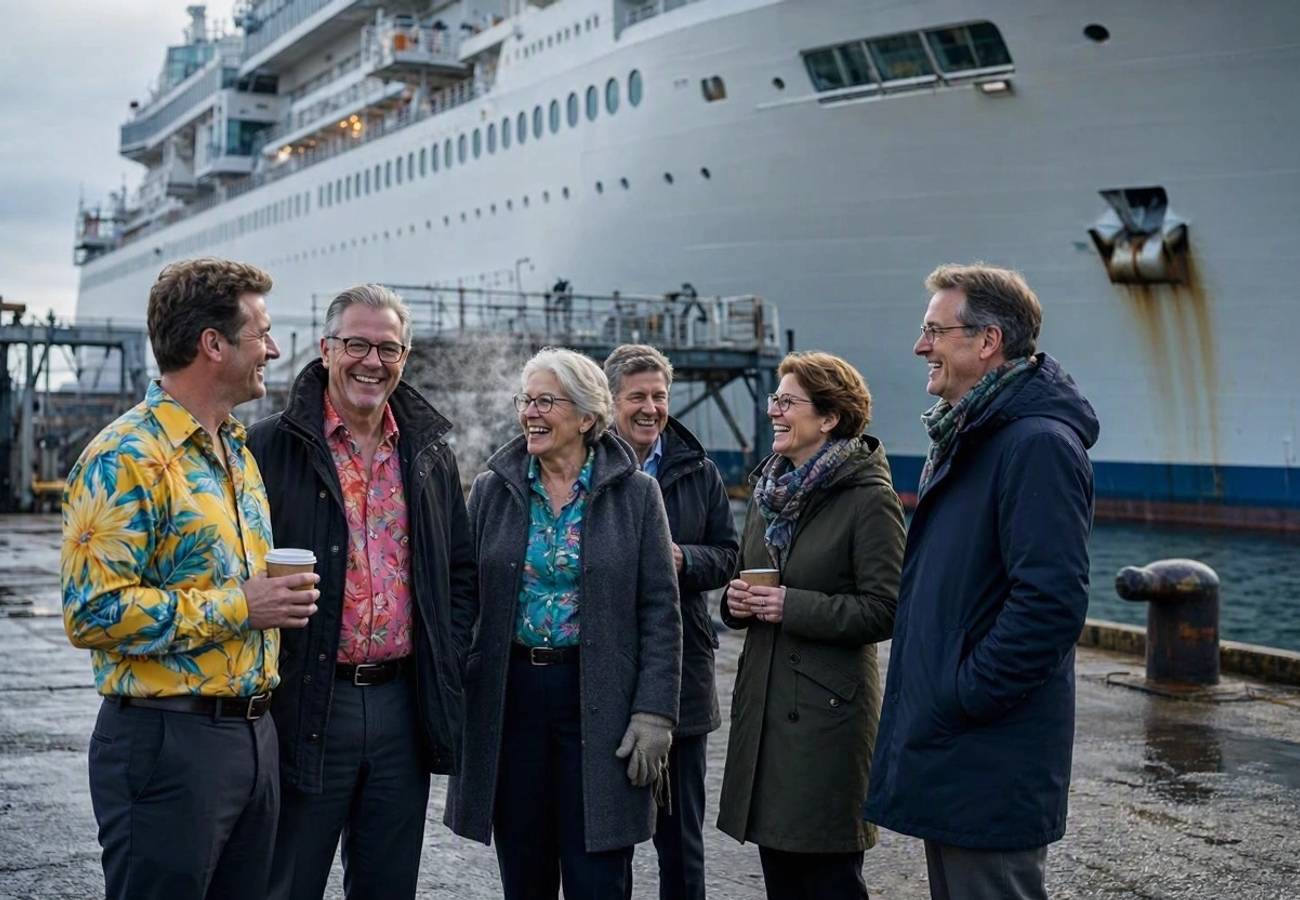
Image generated by AI
Passengers who boarded the Oasis of the Seas in New Jersey on 18 October 2026 expected white sands and tropical heat, only to find themselves docking in the autumn chill of Nova Scotia. Instead of the Caribbean sun, over 5,000 travelers were redirected to Halifax, Canada, after severe weather forecasts made the southern route unsafe.
The Great Diversion: From the Bahamas to Nova Scotia
On 18 October 2026, Royal Caribbean initiated a massive itinerary overhaul for the Oasis of the Seas. The vessel, which departed from Cape Liberty, New Jersey, was originally slated for a seven-night tropical getaway. However, developing storm systems off the US East Coast forced the captain to abandon all southern port calls to ensure the safety of the passengers and crew.
The ship bypassed its intended destinations entirely, opting instead for a northern trajectory. This resulted in a single stop in Halifax, Nova Scotia, where passengers spent approximately 24 hours ashore before beginning a multi-day transit back to New Jersey. The ship returned to Cape Liberty on 25 October, maintaining the original duration of the trip but fundamentally altering the nature of the experience.
Itinerary Comparison: Planned vs. Actual
The shift from a beach-centric holiday to a maritime exploration of Atlantic Canada created a significant gap between the advertised product and the delivered service.
| Feature | Original Itinerary | Revised Itinerary |
|---|---|---|
| Departure Point | Cape Liberty, New Jersey | Cape Liberty, New Jersey |
| Planned Florida Stop | Port Canaveral | Removed |
| Planned Bahamas Stops | Perfect Day at CocoCay & Nassau | Removed |
| Actual Destination | N/A | Halifax, Nova Scotia |
| Time Ashore | Multiple Port Days | Approx. 24 Hours (Halifax) |
| Return Date | 25 October 2026 | 25 October 2026 |
| Climate Expectation | Tropical / Warm | Autumn / Cold (30s-50s°F) |
Your Rights as a Passenger
When a cruise line alters an itinerary, passengers often feel powerless due to the broad language in the "Contract of Carriage." However, there are specific legal and consumer frameworks to consider.
The "Force Majeure" Defense Royal Caribbean, like most major lines, includes clauses allowing them to substitute ports or cancel calls without notice due to weather or safety. Under most maritime contracts, weather is considered an "Act of God" or force majeure, which generally exempts the cruise line from paying direct cash compensation for the "loss of enjoyment" of a specific destination.
Duty of Care and Expenses While the cruise line may not owe a refund for the route change, they still maintain a duty of care. If the diversion resulted in additional out-of-pocket expenses—such as the need to purchase emergency cold-weather clothing in Halifax—passengers should document these costs. While not guaranteed, some lines provide "Onboard Credit" (OBC) as a gesture of goodwill for significant itinerary deviations.
Independent Excursions The most significant financial hit often comes from third-party excursions booked in Nassau or CocoCay. If these were not booked through Royal Caribbean, the cruise line is not responsible for the refund. Passengers must contact the Better Business Bureau or their credit card provider to initiate chargebacks for services not rendered.
Regulatory Guidance For those who booked through a travel agent or are residents of specific jurisdictions, different protections may apply. Travelers should consult the Federal Maritime Commission or the US Department of Transportation if they believe the diversion was handled with negligence rather than safety necessity.
Rebooking Strategy and Recovery
If you find yourself on a diverted cruise, your immediate priority should be documentation and communication.
- Log Everything: Save every announcement, email, and printed notice regarding the itinerary change. This is vital for any future insurance claims.
- Audit Your Excursions: Immediately list every pre-paid activity at the missed ports. Check if they were "cruise-line managed" (easier to refund) or "independent" (requires direct negotiation).
- Travel Insurance Claims: If you have "Cancel for Any Reason" (CFAR) or comprehensive travel insurance, check your policy for "Itinerary Change" or "Trip Interruption" clauses. While weather is often excluded, some premium policies cover the difference in value between destinations.
- Negotiate Onboard Credit: Before disembarking, visit the Guest Services desk. Request a specific amount of OBC for future sailings as compensation for the loss of three tropical ports.
FAQ: Royal Caribbean Diversion 2026
Am I entitled to a full refund for the cruise? Generally, no. Because the ship still provided lodging, food, and a destination (Halifax), a full refund is unlikely. You may be entitled to partial refunds for specific missed shore excursions.
Can I claim compensation for buying warm clothes in Halifax? You can request reimbursement from Royal Caribbean or claim it through travel insurance. Keep all receipts and a copy of the original tropical itinerary to prove the necessity of the purchase.
What happens to my pre-paid Bahamas excursions? Excursions booked through Royal Caribbean are typically refunded automatically to your onboard account. Independent bookings require you to contact the vendor directly.
Is the cruise line legally required to visit the advertised ports? No. Maritime law allows captains to deviate from the route for safety, weather, or emergency reasons without it being considered a breach of contract.
When the forecast shifts from palm trees to pine trees, your best defense is a comprehensive insurance policy and a meticulous paper trail.
Related Travel Guides
Disclaimer
This article is for informational and educational purposes only. It does not constitute legal, financial, or professional advice. While we strive to provide accurate and up-to-date information, travel policies, regulations, and conditions change rapidly. Always verify information with official sources before making travel decisions. Nomad Lawyer makes no representations about the accuracy, reliability, completeness, or suitability of the information provided. Readers should consult qualified professionals for advice specific to their circumstances. The views expressed in this article are those of the author and do not necessarily reflect the views of Nomad Lawyer.
Raushan Kumar
Founder & Lead Developer
Full-stack developer with 11+ years of experience and a passionate traveller. Raushan built Nomad Lawyer from the ground up with a vision to create the best travel and law experience on the web.
Learn more about our team →