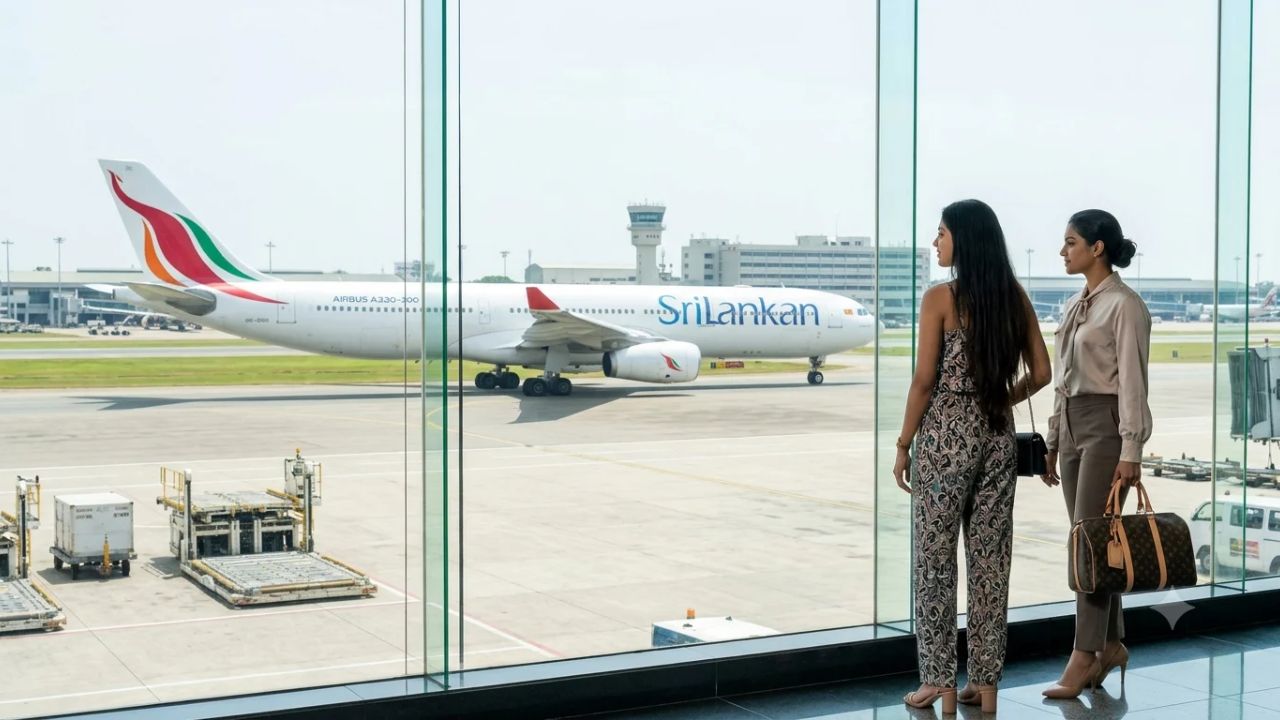
Royal Air Maroc & EgyptAir Launch Historic Africa-US Nonstop Routes to LAX Before 2026 World Cup


Image generated by AI
Africa's Historic Direct Flight to America Just Changed Everything
On June 7, 2026, aviation history shifted. Royal Air Maroc (RAM) became the first African airline to operate nonstop service to the US West Coast, launching direct flights between Mohammed V International Airport in Casablanca (CMN) and Los Angeles International Airport (LAX). Two weeks later, EgyptAir followed suit with its own Cairo-to-LAX nonstop service.
This isn't just another route announcement. This is the opening of a continental bridge that didn't exist before.
For decades, travelers from Africa to the US West Coast faced the grueling reality of 20+ hour journeys with multiple layovers. That's finished. The new Casablanca-LAX route cuts travel time to approximately 11-12 hours, operated three times weekly on the Boeing 787 Dreamliner.
Reddit: "Finally, a direct flight from Africa to California. No more 5-hour layovers in Europe. Game changer for African travelers." — r/travel
The Route Details: What Travelers Need to Know
Royal Air Maroc's Flight Schedule:
The AT250/AT251 service operates every Tuesday, Friday, and Sunday:
- Outbound (CMN → LAX): Departs 04:00, arrives 08:20 (same day)
- Return (LAX → CMN): Departs 10:20, arrives 05:25 (next day)
This triple-weekly frequency addresses genuine demand. The Boeing 787 Dreamliner offers the range and efficiency needed for this 5,500+ nautical mile crossing, with modern cabin pressurization that reduces jet lag—a critical consideration for leisure travelers heading to California.
EgyptAir's complementary Cairo-LAX service creates redundancy and choice for North African passengers. With two African hubs now connected to LAX, the region gains negotiating power and schedule flexibility that individual routes couldn't offer.
Why This Matters: The Connectivity Revolution
Los Angeles International Airport now has nonstop flights to every continent. That's a remarkable achievement—and a signal of LAX's ambitions as a global hub. For Los Angeles, this expansion opens the Pacific Coast to 114 global destinations accessible via Casablanca's connection network.
The timing is strategic. Morocco already added 80+ new air routes in 2025, resulting in a 20% year-on-year increase in visitor arrivals. With the 2026 FIFA World Cup coming, tourism boards across North Africa are positioning their regions as gateways to America—and vice versa.
Reddit: "Imagine connecting in Casablanca to reach West Africa while also having direct US access. Morocco just became essential for the diaspora." — r/expats
Which Markets Win Most?
United States: Californians and Pacific Coast residents gain direct access to North Africa. No more routing through Europe or the Middle East. The leisure market—especially cultural tourism and heritage travel—should see immediate growth.
Canada: Morocco became Quebec's top summer destination ahead of traditional US travel. This flight makes Montreal-Casablanca-LAX itineraries seamless for Canadian travelers.
France & Spain: With 80% of Morocco's tourism originating from Europe, new transatlantic routing creates powerful multi-destination packages. Paris → Casablanca → Los Angeles itineraries are now commercially viable for tour operators.
India: India sent approximately 54,000 visitors to Morocco in 2025. Projections suggest this climbs to 70,000+ in 2026—particularly when Indians can now reach the US West Coast without the traditional hub-routing penalty.
Sub-Saharan Africa: The Casablanca hub becomes a true intercontinental gateway. West African passengers can connect to American markets previously requiring European intermediaries.
The FIFA World Cup 2026 Factor
The 2026 FIFA World Cup in North America amplifies these routes' importance. Moroccan fans traveling to the tournament now have direct access from home. Sports tourism typically generates higher-value trips (accommodations, dining, event packages), making this timing perfect for airlines and destination marketing organizations.
Business travel follows the same trajectory. With direct connectivity, Morocco's growing tech sector and business services become more accessible for American enterprises.
Pre-Travel Essentials: Your Checklist
Documentation:
- Ensure your passport is valid for at least 6 months beyond your travel date
- US ESTA (Electronic System for Travel Authorization) approval required for visa-waiver nationals
- Morocco tourist entry is visa-free for most nationalities, but verify your specific requirements at the Moroccan consulate
Booking Strategy:
- Book directly through Royal Air Maroc or EgyptAir websites to access airline-specific benefits
- Consider purchasing travel insurance that covers trip interruption—essential during major sporting events when schedule changes occur
- Plan arrivals 3 hours before departure for international flights; North African hubs are increasingly punctuality-focused but security queues vary seasonally
During Your Journey:
- Monitor your flight status via the airline's official app or website
- Store your reservation confirmation digitally (PDF or airline app)
- In case of schedule changes, familiarize yourself with the airline's rebooking policy before travel—this prevents disputes at the airport
FAQs: What You're Actually Asking
Q: When did these flights start?
Royal Air Maroc launched Casablanca-LAX service on June 7, 2026. EgyptAir's Cairo service began shortly after. Both offer year-round service with increased frequency during summer and World Cup season.
Q: Is this truly the first direct Africa-to-West Coast flight?
Definitively yes. Previous US-Africa routes terminated on the East Coast (New York, Miami, Washington DC). This Casablanca route is the first nonstop African departure that reaches the Pacific timezone.
Q: Who benefits most from this route?
Three audiences particularly benefit: (1) African diaspora communities in California seeking accessible home visits, (2) leisure travelers pursuing Morocco's cultural, culinary, and historical attractions, and (3) business travelers connecting to Morocco's growing sectors and broader African markets.
The Larger Aviation Shift
This announcement reflects broader trends reshaping global aviation. African carriers—historically dependent on European hubs—are now building direct intercontinental capacity. Royal Air Maroc's three new North American routes (joining existing NYC, Washington DC, Miami, Montreal, and Toronto services) position the airline as Africa's primary transatlantic carrier.
EgyptAir's parallel expansion indicates competitive momentum. Both carriers recognize that nonstop service commands premium fares and generates irreplaceable customer loyalty—particularly among business travelers with inflexible scheduling.
The 2026 World Cup serves as a catalyst, but the underlying economics are sound. Sustained 75-80% load factors on long-haul routes require efficient route design, competitive pricing, and reliable scheduling. Both airlines possess the operational maturity to sustain these services long-term.
For nomadic professionals, digital workers, and diaspora communities, this shift is transformative. The ability to reach Los Angeles directly from Casablanca or Cairo eliminates the traditional 14+ hour routing penalty through European hubs—reclaiming an entire day of travel time while reducing airfare costs.
Historic routes reshape how Africa and America connect—the question isn't whether these flights survive, but which carriers come next.
Related Travel Guides
-
[Delta A321neo Airbus First Class Plans Face FAA Certification Hurdles](/delta-a321neo-first-class-faa-certification-june-2026)
This article is for informational purposes. Flight routes, passenger regulations, visa rules, and transit advisories are subject to change by airlines and aviation authorities. Readers are advised to verify schedules and travel documentation with relevant carriers and border agencies before departure.
Related Stories
Brazil Nears 100 Million Air Passengers in 2026 Amid Divergent Global Aviation Growth