
Romania Maintains Open Borders for Travel Amid NATO Airspace Interceptions
Romania's borders remain open and airports function normally following the shoot-down of an unidentified drone by a Spanish F-18 jet under NATO command.

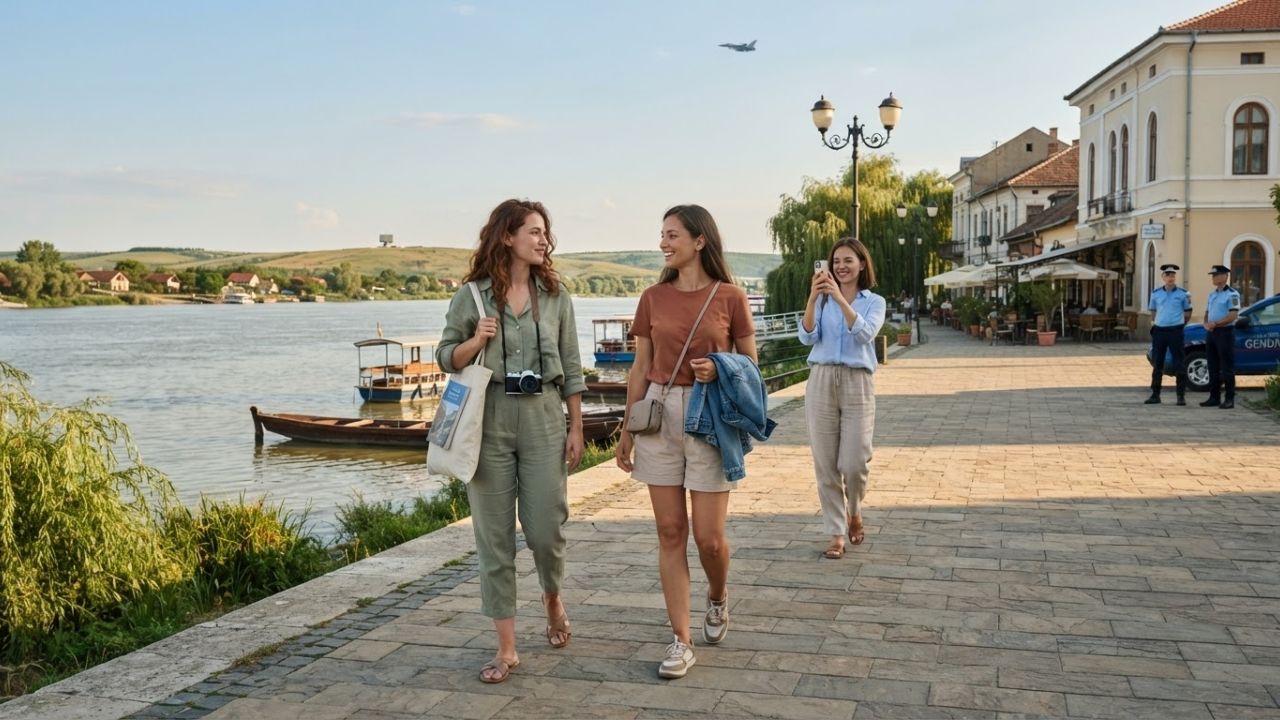
Image generated by AI
Romania's commercial airports and tourist corridors continue to operate without restrictions following the successful interception of an unidentified drone by a NATO Spanish F-18 fighter jet over Galați County. By deploying rapid air defense measures in sensitive eastern border sectors, military authorities are prioritizing airspace security while maintaining normal passenger travel throughout the country.
NATO Air Policing and the Galați County Interception
The recent drone incident over southeastern Romania highlights the operational readiness of the country's defense systems and the NATO air-policing mission. While patrolling under allied command, a Spanish F-18 fighter jet detected and successfully shot down an unidentified drone that had violated Romanian airspace near Galați County. The drone was destroyed safely, with its debris falling in an uninhabited, remote zone, ensuring no damage was caused to local civilian life.
This collaborative defense mechanism is coordinated through NATO's Combined Air Operations Centre in Torrejón, Spain, which monitors all flights over the southern parts of the eastern flank. By integrating national radar feeds with allied satellite surveillance, the command center can identify suspicious contacts within seconds. This high level of integration ensures that any airspace penetration is intercepted before it can pose a risk to commercial flight paths. In response to the airspace violation, the Romanian military deployed F-16 fighter jets to monitor the area, working alongside NATO allies to ensure regional security. This interception is part of a broader surveillance effort along the eastern flank, where military activity across the border has prompted closer airspace monitoring. The rapid response from both Romanian and allied air forces demonstrates the capacity of local defense structures to resolve aerial disturbances before they reach populated areas, providing reassurance to residents and travelers alike.
Geopolitical Position and Border Monitoring Systems
Romania's geographic location makes it a key member in NATO’s eastern defense architecture. The country shares a long border with Ukraine and possesses critical river and maritime borders along the Danube River and the Black Sea coast. Areas such as Tulcea and Galați counties are particularly sensitive due to their proximity to border conflict zones, requiring continuous radar surveillance and military coordination.
In addition to radar upgrades, the Romanian Land Forces have deployed mobile observation posts along the banks of the Danube River to monitor low-flying objects that might bypass traditional radar. These ground units are equipped with night-vision systems and acoustic sensors, creating a multi-layered defense shield. This active monitoring allows local authorities to issue timely warnings to civil aviation and shipping operators using the Danube waterways. To manage these challenges, the Romanian Ministry of National Defense has reinforced its border monitoring systems. This includes installing advanced radar units, establishing early warning networks, and placing additional security buffers along the Danube Delta. These security enhancements are designed to protect national airspace while allowing normal economic and travel activities to continue. Romania's borders remain fully open to international transit, and entry requirements can be verified through the official Romanian Ministry of Foreign Affairs (MAE) portal.
Analyzing the Impact on Commercial Aviation and Tourism
Despite the security challenges along the eastern frontier, the impact on Romania's commercial aviation and tourism sectors remains minimal. International flights continue to operate normally, with major hubs like Bucharest Henri Coandă International Airport (OTP) experiencing no flight suspensions or travel delays. Regional airports, including those in Iași and Suceava, also report standard flight schedules, showing that commercial passenger transport remains unaffected by military monitoring.
Major tourism destinations, including Bucharest, Brașov, Sibiu, Cluj-Napoca, and the historical castles of Transylvania, are situated far from the sensitive border zones and continue to welcome visitors. There are no travel warnings or visa restrictions in place for international tourists visiting Romania. The Ministry of Tourism has emphasized that safety measures are concentrated strictly along remote border corridors, ensuring that standard holiday itineraries can progress safely and without disruption.
Danube Delta Eco-Tourism and Local Economy Resilience
The Danube Delta, situated in Tulcea County, is a UNESCO World Heritage site and one of Europe’s most significant ecological reserves. Local communities in the Delta depend heavily on eco-tourism, offering boat tours, birdwatching excursions, and cultural heritage experiences in traditional fishing villages. Preserving traveler confidence in this region is essential for supporting local hospitality businesses and guesthouses.
Sustainable travel practices play a key role in maintaining the economic stability of the Danube Delta. By choosing guided excursions operated by local boatmen and staying in family-owned pensions, visitors directly support the regional economy. Environmental protection organizations, such as the Danube Delta Biosphere Reserve Authority, work to balance visitor activities with wildlife conservation, ensuring that tourism does not degrade the fragile wetlands. Despite border security monitoring, the Delta remains fully accessible to eco-tourists seeking to explore its unique waterways and diverse bird populations.
Visitor Guide: Regional Etiquette, Local Dining, and Transit Security
Traveling through Romania, including its scenic eastern border regions, is safe when visitors follow standard safety protocols and respect local regulations. By observing these guidelines, travelers can enjoy an authentic and trouble-free trip.
When traveling in Tulcea or Galați counties, stay informed of local safety updates by monitoring the Romanian Ministry of Foreign Affairs (MAE) portal. It is advisable to avoid operating recreational drones near the eastern border, as strict airspace regulations are enforced. Always ask for permission before taking photographs of local residents, and never photograph military facilities, border checkpoints, or security personnel. When visiting historic Orthodox monasteries in Northern Moldavia, dress modestly by covering shoulders and knees.
While exploring the Danube Delta and the Dobrogea region, try traditional fish specialties that showcase the culinary heritage of the local communities. Sample Saramură de Pește, a classic dish of grilled carp simmered in a seasoned vegetable brine with garlic, served with hot mămăligă (polenta). Try Ciorbă de Pește, a traditional sour fish soup made with multiple varieties of freshwater fish, vegetables, and fermented wheat bran, finished with fresh lovage. Purchase fresh produce from local markets to support rural farmers.
To reach the Danube Delta, fly into Bucharest Henri Coandă International Airport and take a train or private transfer to the city of Tulcea, the primary gateway to the delta. Within the Delta, travel is conducted by passenger boats and water taxis, as road networks are limited. Use official airport taxi services or pre-booked transfers when departing from the airport to avoid transport scams. In case of an emergency, dial 112 to reach local police, ambulance, and rescue services.
Future Outlook: Balancing Defense Readiness with Open Travel
The long-term development of Romania's visitor economy depends on maintaining a stable security environment while promoting accessibility. Romania's integration into the Schengen Zone for air and sea travel has made it more attractive to international travelers, highlighting the need for efficient border management.
In addition, the Romanian Ministry of Transport is working to expand terminal facilities at regional airports in the east, such as Iași Airport, to accommodate the growing volume of international visitors. By investing in modern security screening systems and expanding customs processing lanes, the airport authorities aim to reduce transit times. This infrastructure support ensures that Romania's travel gateways remain efficient and secure, reinforcing the country's position as a resilient and attractive destination in Eastern Europe. Ultimately, the continued cooperation between Romanian defense authorities and NATO allies ensures that the country's travel gateways remain safe. By investing in modern monitoring technology, upgrading transport infrastructure at Henri Coandă Airport, and providing clear, transparent communications regarding border safety, Romania is successfully managing regional risks. This balanced approach protects the local community while ensuring that travelers can continue to explore Romania's rich cultural heritage, medieval towns, and natural reserves with confidence.
Related Travel Guides
Disclaimer
This article is for informational and educational purposes only. It does not constitute legal, financial, or professional advice. While we strive to provide accurate and up-to-date information, travel policies, regulations, and conditions change rapidly. Always verify information with official sources before making travel decisions. Nomad Lawyer makes no representations about the accuracy, reliability, completeness, or suitability of the information provided. Readers should consult qualified professionals for advice specific to their circumstances. The views expressed in this article are those of the author and do not necessarily reflect the views of Nomad Lawyer.
Preeti Gunjan
Contributor & Community Manager
A passionate traveller and community builder. Preeti helps grow the Nomad Lawyer community, fostering engagement and bringing the reader experience to life.
Learn more about our team →