
Romania and 6 EU Frontline Nations Seek Emergency Tourism Aid Amid 2026 Border Security Fears
Romania, Bulgaria, Poland, and four Baltic/Central European nations are petitioning the EU for dedicated funding to offset tourism losses caused by geopolitical instability and security risks near the Ukraine and Russia borders.

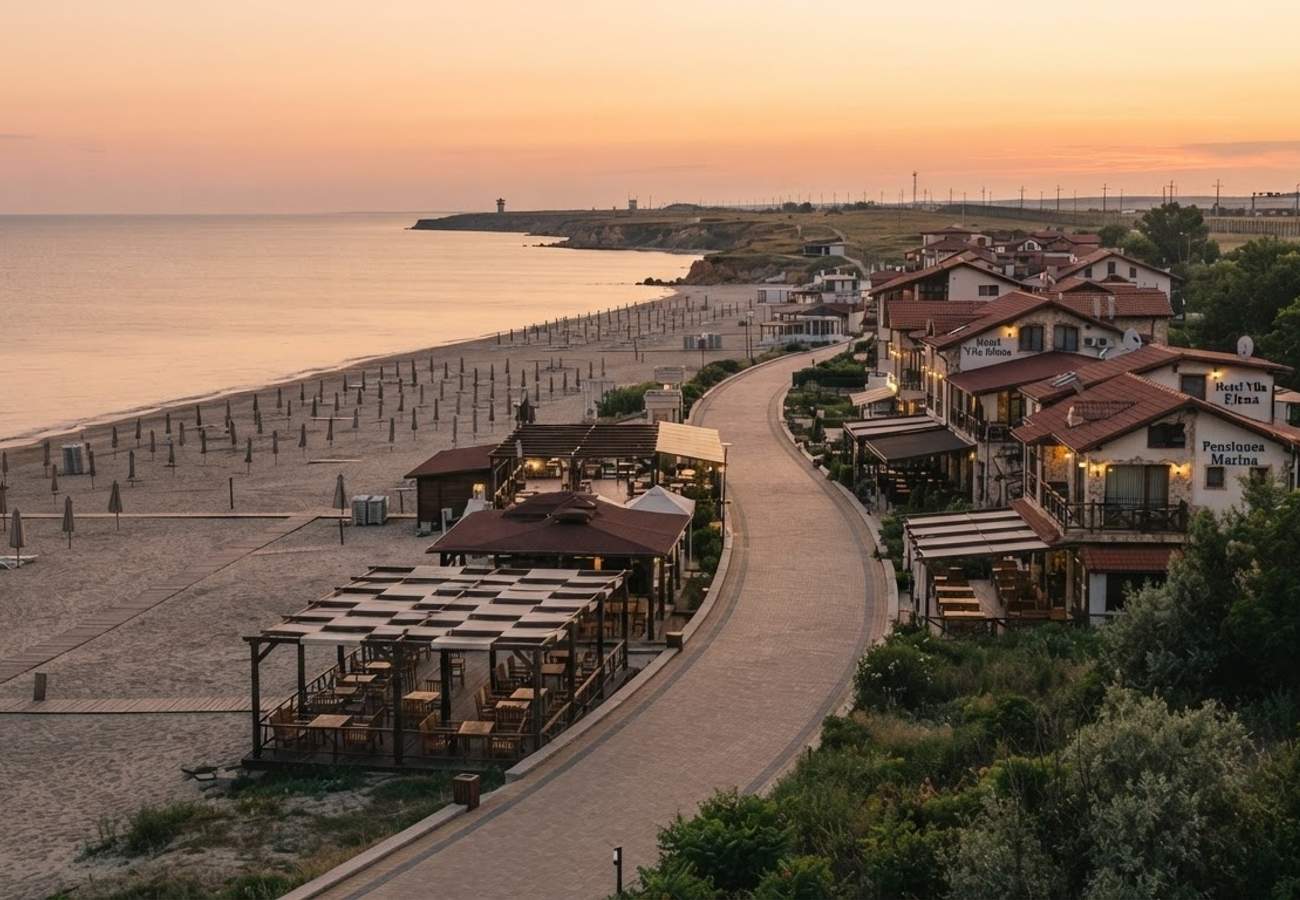
Image generated by AI
Seven EU member states are demanding that the European Union earmark specific financial support within the 2021-2027 multiannual financial framework to compensate for severe tourism declines in regions bordering conflict zones.
Geopolitical Instability Driving Tourism Decline in Eastern EU
Romania, alongside Bulgaria, Estonia, Latvia, Lithuania, Poland, and Slovakia, has formally requested that the European Commission recognize security risks as a primary driver of economic loss in their border regions. The appeal highlights a critical shift where tourism is no longer hindered by traditional economic factors, but by traveler perception and regional instability.
Destinations proximal to Russia, Belarus, and Ukraine are reporting a systemic drop in visitor interest and a collapse in investment confidence. This trend has disproportionately impacted small-to-medium enterprises (SMEs), including boutique hotels and local tour operators, who lack the capital to weather prolonged periods of low occupancy.
Regional Impact Analysis: Frontline Tourism Markets
The security crisis has manifested differently across the seven petitioning nations, though the core issue remains a decline in international arrivals and business confidence.
| Country | Primary Impact Zone | Key Driver of Decline | Strategic Response |
|---|---|---|---|
| Romania | Black Sea Coast / Ukraine Border | Changing security perceptions | Strengthening regional connectivity |
| Bulgaria | Eastern Regions / Black Sea | Black Sea security concerns | Focus on foreign traveler confidence |
| Estonia | Russia Border Regions | Proximity to Russian Federation | Enhancing business resilience |
| Latvia | Latgale Region | UAV airspace incursions | Diversifying to Japan, Canada, US markets |
| Lithuania | Belarus Border Regions | Regional security environment | Increasing EU-level cooperation |
| Poland | Eastern Borderlands | Proximity to Ukraine & Belarus | Stabilizing border-area business activity |
| Slovakia | Vulnerable Border Zones | General regional uncertainty | Supporting small business competitiveness |
The Latvia Case Study: Shift in Traveler Behavior
Latvia provides a stark example of how specific security incidents trigger immediate travel volatility. In the Latgale region, known for its nature tourism and lake districts, the crossing of unmanned aerial vehicles (UAVs) into national airspace has led to a spike in last-minute cancellations for hotels and events.
Beyond immediate safety fears, Latvia has suffered a total loss of its traditional visitor markets from Russia and Belarus. To mitigate this, the Latvian tourism board is pivoting toward high-spending long-haul markets, specifically targeting travelers from the United States, Canada, and Japan, while attempting to expand cruise tourism infrastructure.
Integration into EU Tourism Strategy
The European Commission is currently drafting a new strategy to enhance the competitiveness and sustainability of the EU tourism sector. While the current draft focuses on overcrowding and cross-border mobility, the seven frontline nations argue that "security-related impacts" must be a formal pillar of the planning process.
The requested aid is not intended for simple marketing campaigns. Instead, the nations are seeking funds for:
- Infrastructure Upgrades: Improving transport connectivity to make border regions more accessible.
- Investment Incentives: Providing guarantees to attract private capital back into high-risk zones.
- Resilience Funding: Direct support for seasonal operators who cannot maintain year-round operations due to peak-season volatility.
Traveler Logistics Guide: Navigating Eastern EU Borders
From a ground-level perspective, the best way to navigate these regions in 2026 is to prioritize flexibility and official communication.
Booking and Connectivity When planning trips to border regions in Romania, Poland, or the Baltics, avoid non-refundable bookings. Use "flexible" or "cancel-anytime" rates, as local operators in these zones are more susceptible to sudden shifts in regional security alerts.
Digital Transit & Customs Ensure all digital travel authorizations are current. For those entering the Schengen area via these frontline states, keep a digital copy of your passport and travel insurance that specifically covers "geopolitical instability" or "civil unrest," as some standard policies exclude zones near active conflict.
Optimal Layover and Transit If transiting through these regions, utilize major hubs like Warsaw or Bucharest rather than smaller regional airports, as flight schedules in border-adjacent cities are more prone to disruption.
Infrastructure Impact Assessment
The current instability is forcing a structural redesign of Eastern European tourism. The reliance on neighboring non-EU markets (Russia/Belarus) has been permanently severed, necessitating a complete rebranding of these regions for a global audience. If the EU grants the requested aid, we can expect a surge in "resilience infrastructure"—better-connected roads and modernized hospitality hubs designed to attract Western and Asian tourists, effectively shifting the economic gravity of these border regions away from their immediate neighbors and toward the EU core.
The intersection of national security and tourism reveals that stability is the most valuable currency in the global travel market.
Related Travel Guides
Disclaimer
This article is for informational and educational purposes only. It does not constitute legal, financial, or professional advice. While we strive to provide accurate and up-to-date information, travel policies, regulations, and conditions change rapidly. Always verify information with official sources before making travel decisions. Nomad Lawyer makes no representations about the accuracy, reliability, completeness, or suitability of the information provided. Readers should consult qualified professionals for advice specific to their circumstances. The views expressed in this article are those of the author and do not necessarily reflect the views of Nomad Lawyer.
Preeti Gunjan
Contributor & Community Manager
A passionate traveller and community builder. Preeti helps grow the Nomad Lawyer community, fostering engagement and bringing the reader experience to life.
Learn more about our team →