
Rising Cultural Attraction Ticket Prices Impact Global City Tourism
Paris, Rome, and Istanbul adjust entry fees at famous museums and heritage landmarks to support conservation and manage crowds in global tourism in 2026.

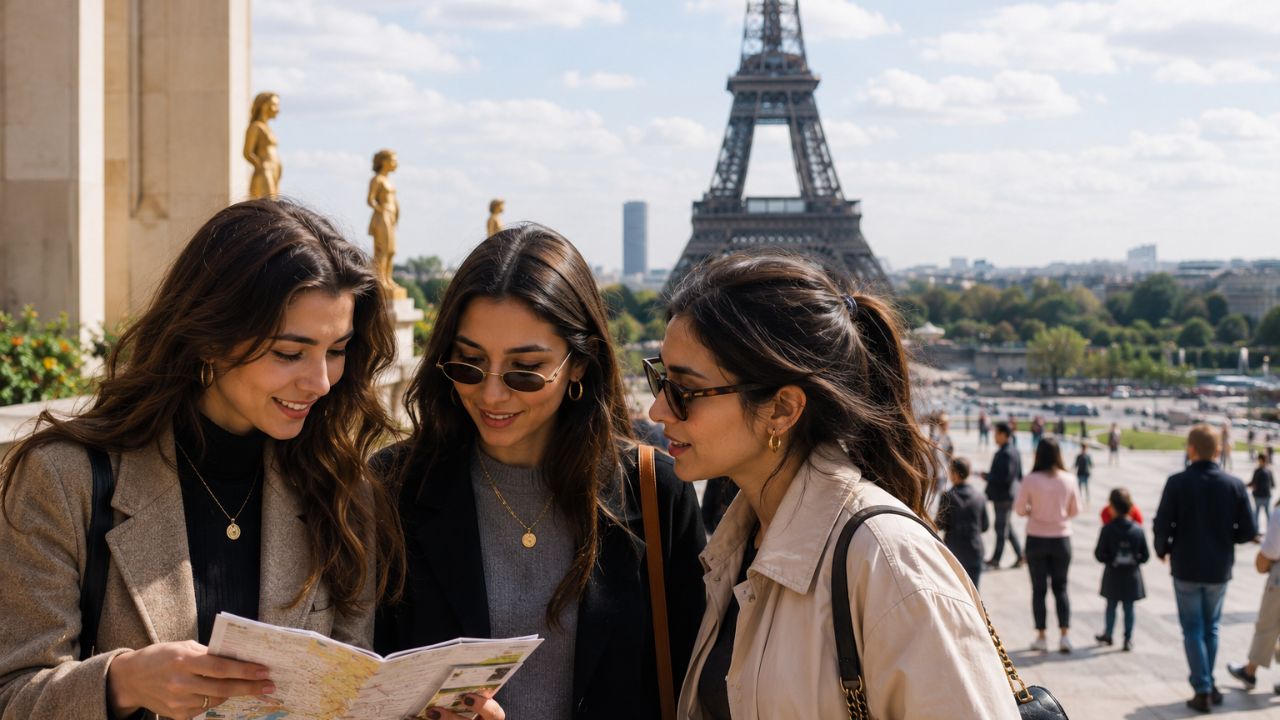
Image generated by AI
Major cultural capitals including Paris, Rome, and Istanbul are implementing higher admission ticket fees at iconic museums and heritage landmarks in H2 2026. The rising costs are changing how international travelers budget for city breaks, forcing visitors to balance sightseeing expenses with conservation funding and crowd management goals.
The tourism market in Europe and Western Asia is observing a significant realignment, with municipal planners reviewing the funding structures of major historic landmarks. As international traveler arrivals continue to climb, cities like Paris, Rome, and Istanbul are adjusting their entrance prices to support conservation projects, expand security, and improve visitor services. This price adjustment is changing the economics of urban tourism, requiring travelers to budget for attraction fees alongside flights and lodging. While famous monuments and national galleries remain primary reasons for visiting these destinations, higher ticket prices are encouraging travelers to become more selective, especially when traveling with families or on limited budgets.
For the traveler, the real impact of these changes is the necessity of early research and structured itinerary planning. By purchasing regional passes, booking timed entry slots, or substituting premium landmarks with free local exhibits, visitors can manage their travel budgets while enjoying cultural exploration.
Investment Allocations and Infrastructure Development
The revenue generated from higher admission fees is utilized by national ministries and heritage boards to preserve historic structures and improve services:
Major Investment Areas
| Investment Area | Why It Matters |
|---|---|
| Conservation | Protecting historic buildings, artworks and archaeological collections |
| Visitor facilities | Improving entrances, accessibility and services |
| Security | Managing valuable collections and large crowds |
| Digital experiences | Creating modern exhibitions and visitor tools |
| Staff operations | Supporting guides, curators and daily services |
These investments help ensure that historical environments can safely handle large numbers of visitors without structural degradation.
Pricing Policies Across Cultural Capitals
Different metropolitan areas are adopting distinct approaches to balance conservation funding with public access:
Paris, France
Under the French Ministry of Culture, several major attractions, including the Louvre Museum and the Palace of Versailles, have updated their pricing systems. In 2026, different price tiers were introduced, applying higher rates to some international visitors from outside Europe to generate additional funding for local restoration projects.
Paris Attraction Pricing
| Paris Attraction | Main Tourism Appeal |
|---|---|
| Louvre Museum | Global art collections including the Mona Lisa |
| Palace of Versailles | Royal history and architecture |
| Sainte-Chapelle | Gothic architecture and stained glass |
| Musée d’Orsay | Impressionist and modern art |
These iconic sites remain highly popular because many travelers consider them essential components of a European vacation.
Rome, Italy
Managed by the Italian Ministry of Cultural Heritage and Activities, Rome's ancient monuments face significant weather exposure and high visitor density, demanding continuous conservation investment.
Rome Landmark Experiences
| Attraction | Visitor Experience |
|---|---|
| Colosseum | Ancient Roman history and architecture |
| Roman Forum | Archaeological exploration |
| Vatican Museums | Art, religion and cultural heritage |
| Pantheon | Ancient engineering and architecture |
The city's challenge lies in managing daily crowd flows while protecting fragile archaeological structures.
Istanbul, Turkey
Connecting Europe and Asia, Istanbul's historic sites are managing increased traveler demand alongside strict preservation needs.
Istanbul Cultural Landmarks
| Istanbul Attraction | Importance |
|---|---|
| Hagia Sophia | Historic religious and architectural landmark |
| Topkapı Palace | Ottoman imperial heritage |
| Basilica Cistern | Ancient underground structure |
| Archaeological Museums | Historical collections |
Entrance fees have become a more prominent consideration for visitors planning trips to the Bosphorus region.
London, United Kingdom
London offers a different model, with major national galleries offering free general admission, though funding structures remain a subject of active debate due to rising operational costs.
London Tourism Debate
| Tourism Model | Advantage | Challenge |
|---|---|---|
| Paid entry | Generates direct revenue | Can increase visitor costs |
| Free access | Encourages wider participation | Requires alternative funding |
| Premium exhibitions | Supports special events | Creates affordability concerns |
This debate shows the challenge of balancing public accessibility with financial independence for national institutions.
Impact of Price Trends on Travel Behavior
The rising cost of attraction entry is changing the way international visitors plan their city itineraries, with travelers adjusting their choices based on travel styles:
Traveler Responses to Pricing
| Traveller Type | Likely Response |
|---|---|
| Luxury travellers | Continue visiting premium attractions |
| Families | Compare costs more carefully |
| Backpackers | Seek free museums and outdoor experiences |
| Cultural tourists | Prioritise must-see landmarks |
These responses indicate that travelers are looking for greater value from their ticket investments.
Ecotourism and Community Support in Historic Cities
Sustaining the historical and natural environments of global cities requires travelers to practice low-impact travel habits and support regional economies. For the traveler, the real impact of higher entry fees is the incentive to explore neighborhood-based, low-emission sightseeing options. By walking through historic districts, visiting free public parks, and choosing public metro or bus networks instead of private vehicle rentals, visitors reduce urban congestion and carbon emissions.
Travelers can support local communities by buying tickets directly from official state tourism portals, staying in family-run guesthouses, and dining at independent, neighborhood-owned cafes. This ensures that travel spending directly supports local resident economies rather than third-party resellers or international chains. Furthermore, respecting conservation guidelines at ancient monuments (such as not touching fragile stone surfaces) and using reusable water containers—by refilling at Rome's historic public drinking fountains or utilizing London's tap water—helps protect sensitive urban biomes from plastic waste.
Destination Specialist Local Insider Tips
To help you manage sightseeing costs and explore these cultural capitals safely and comfortably, regional specialists suggest the following tips:
- Buy Tickets Directly from State Portals: Avoid reseller markups by purchasing entry passes from official government museum portals in advance.
- Savor Cacio e Pepe and Baklava: Experience local gastronomy. Try authentic Cacio e Pepe (pecorino cheese and black pepper pasta) in Rome, or fresh Baklava paired with Turkish tea in Istanbul.
- Utilize Official City Passes: Save money on sightseeing by purchasing official passes (like the Paris Museum Pass or Roma Pass) that bundle multiple entries.
- Dress Modestly for Religious Sites: Show respect for local norms by covering shoulders and knees when visiting Rome's churches or covering heads and removing shoes in Istanbul's mosques.
- Plan for the Shoulder Seasons: Travel in late autumn (November) or winter (January to February) to take advantage of off-peak accommodation rates and shorter monument queues.
Long-Term Outlook for Global Cultural Tourism
The long-term outlook for global cultural tourism remains positive, supported by the integration of digital ticketing tools, timed-entry programs, and conservation funding structures. By focusing on visitor experience quality over raw volume, cultural destinations are establishing a more resilient tourism model.
As traveler arrivals continue to grow in 2026, the collaboration between municipal heritage departments, environmental protection boards, and regional transport authorities will remain essential. This balanced approach protects fragile ancient monuments, supports independent local businesses, and ensures that the world's most celebrated cultural capitals remain clean, safe, and accessible for future generations of global travelers.
Related Travel Guides
Disclaimer
This article is for informational and educational purposes only. It does not constitute legal, financial, or professional advice. While we strive to provide accurate and up-to-date information, travel policies, regulations, and conditions change rapidly. Always verify information with official sources before making travel decisions. Nomad Lawyer makes no representations about the accuracy, reliability, completeness, or suitability of the information provided. Readers should consult qualified professionals for advice specific to their circumstances. The views expressed in this article are those of the author and do not necessarily reflect the views of Nomad Lawyer.
Preeti Gunjan
Contributor & Community Manager
A passionate traveller and community builder. Preeti helps grow the Nomad Lawyer community, fostering engagement and bringing the reader experience to life.
Learn more about our team →