
Rio de Janeiro Expands VLT Carioca Light Rail: New Corridors Link Santos Dumont Airport and Pier Mauá in 2026
Rio de Janeiro is expanding its catenary-free VLT Carioca light rail system, converting TransCarioca and TransOeste BRT corridors to enhance urban mobility and cruise tourism.

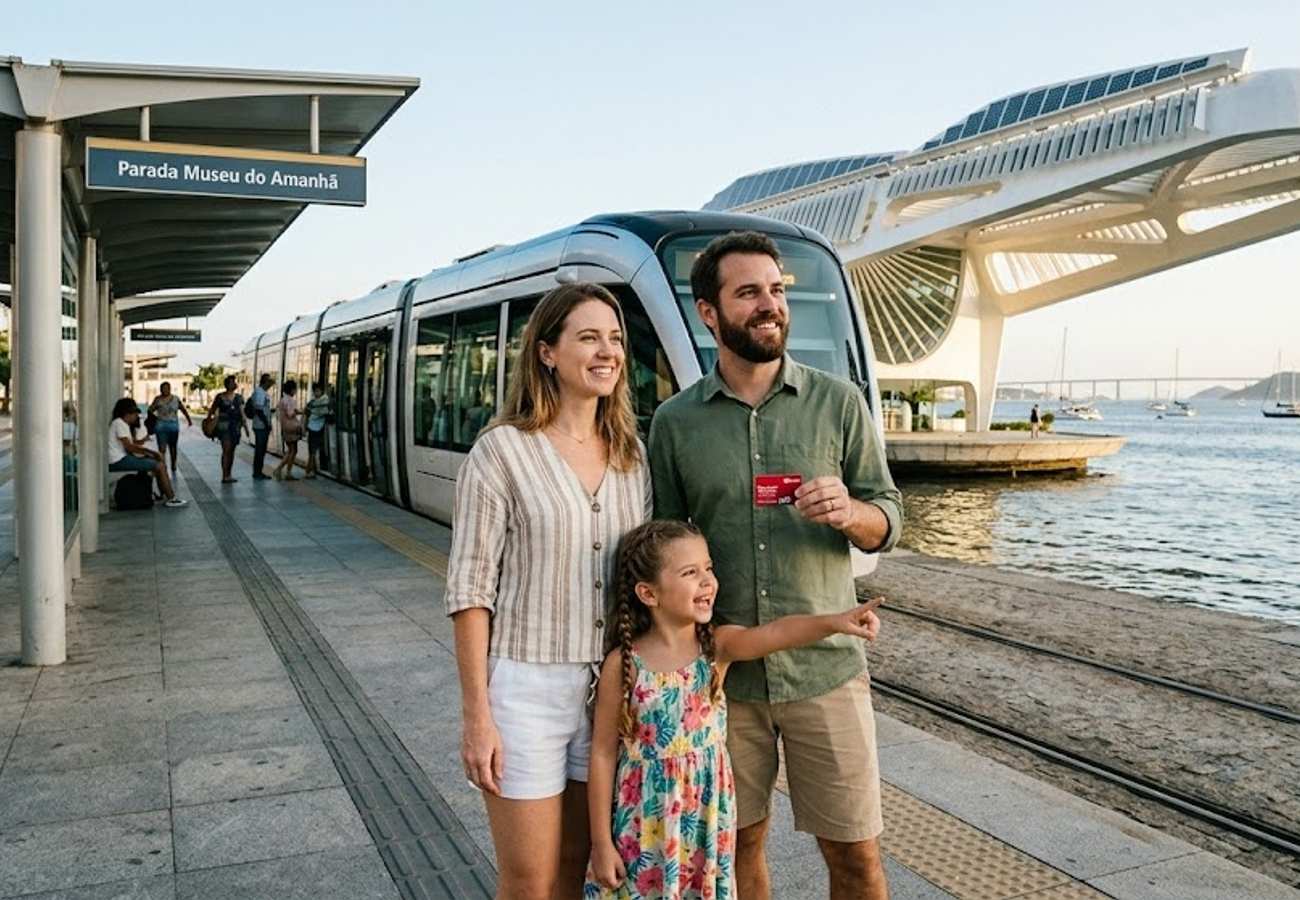
Image generated by AI
Headline Options:
- Factual/News: Rio de Janeiro Expands VLT Carioca Light Rail Network, Converting BRT Corridors to Link Santos Dumont Airport and Pier Mauá
- Curiosity-Gap (Discover): Rio is Removing Overhead Wires: The Bold Urban Shift Changing How Millions Navigate Brazil’s Most Iconic City
- Problem-Solving (Search): How to Navigate Rio de Janeiro in 2026: Using the Expanded VLT Carioca Light Rail for Airports and Cruises
The scale of Rio’s urban mobility shift is accelerating, with the VLT Carioca now surpassing 71,000 daily passengers as it absorbs major bus corridors into its rail network.
The Disruption and Expansion Details
Rio de Janeiro is executing a strategic transition of its public transport infrastructure. The city has approved the conversion of significant sections of the TransCarioca and TransOeste Bus Rapid Transit (BRT) corridors into modern light rail routes.
This expansion aims to replace high-capacity bus lanes with the VLT Carioca’s catenary-free technology. By utilizing a ground-level power supply system, the city eliminates the need for overhead electrical wires, preserving the architectural integrity of historic districts and reducing visual pollution.
Flight, Airport, and Port Impact Breakdown
Our analysis of the network expansion indicates a streamlined transit flow for three primary passenger segments:
- Domestic Air Travelers: Direct, seamless connectivity from Santos Dumont Domestic Airport (SDU) to the historic city center, removing the necessity for private transfers or taxis.
- Cruise Passengers: Enhanced accessibility for those arriving at Pier Mauá, one of Brazil’s most active cruise terminals, providing a direct link to downtown attractions.
- Business and Tech Travelers: Strengthened corridors connecting to Porto Maravalley, the city's emerging technology and innovation hub.
- Cultural Tourists: Direct rail access to the Museu do Amanhã (Museum of Tomorrow) and the revitalized waterfront district.
Passenger Rights & Transit Advisory
For the affected passenger, the shift from BRT (bus) to VLT (rail) changes the logistics of city navigation. Based on current urban mobility trends in Brazil, passengers should note the following:
Ticketing and Integration Our analysis suggests that passengers should utilize integrated transit cards to move between the VLT and the wider metro network. For those arriving at SDU, the VLT is the most efficient method to avoid the unpredictable traffic congestion typical of Rio's central corridors.
Accessibility and Mobility The ground-level power system is designed for high-frequency urban flow. Passengers with limited mobility will find the VLT’s level-boarding platforms more accessible than the older BRT stations currently being converted.
Navigating the Transition During the conversion of the TransCarioca and TransOeste corridors, temporary bus diversions may occur. Travelers are advised to check real-time transit updates via local municipal apps to avoid delays during the construction phase.
Industry Analyst View
The conversion of BRT corridors to light rail represents a significant capital investment in "permanent" infrastructure. While BRT systems are faster to deploy, rail systems typically drive higher real estate value and long-term urban regeneration.
By integrating the Porto Maravalley innovation district and Pier Mauá, Rio is positioning itself to capture higher-yield business and cruise tourism. The move to a catenary-free system is not merely aesthetic; it reduces maintenance costs associated with overhead wire wear and tear in a coastal, saline environment.
Critical Infrastructure Data
| Feature | Specification |
|---|---|
| System Name | VLT Carioca |
| Power Technology | Ground-level supply (Catenary-free) |
| Daily Ridership | 71,000+ Passengers |
| Primary Hubs | Santos Dumont Airport (SDU), Pier Mauá |
| Key Conversion Zones | TransCarioca & TransOeste BRT Corridors |
| Primary Destinations | Museu do Amanhã, Porto Maravalley |
Rio is redefining the intersection of heritage preservation and high-capacity urban transit.
Related Travel Guides
Disclaimer
This article is for informational and educational purposes only. It does not constitute legal, financial, or professional advice. While we strive to provide accurate and up-to-date information, travel policies, regulations, and conditions change rapidly. Always verify information with official sources before making travel decisions. Nomad Lawyer makes no representations about the accuracy, reliability, completeness, or suitability of the information provided. Readers should consult qualified professionals for advice specific to their circumstances. The views expressed in this article are those of the author and do not necessarily reflect the views of Nomad Lawyer.
Preeti Gunjan
Contributor & Community Manager
A passionate traveller and community builder. Preeti helps grow the Nomad Lawyer community, fostering engagement and bringing the reader experience to life.
Learn more about our team →