
Texas Amusement Ride Safety Laws After Galveston Roller Coaster Stall
Eight students stranded on Iron Shark roller coaster in Galveston highlight Texas amusement ride safety regulations, insurance requirements, and travel planning strategies for Gulf Coast attractions.

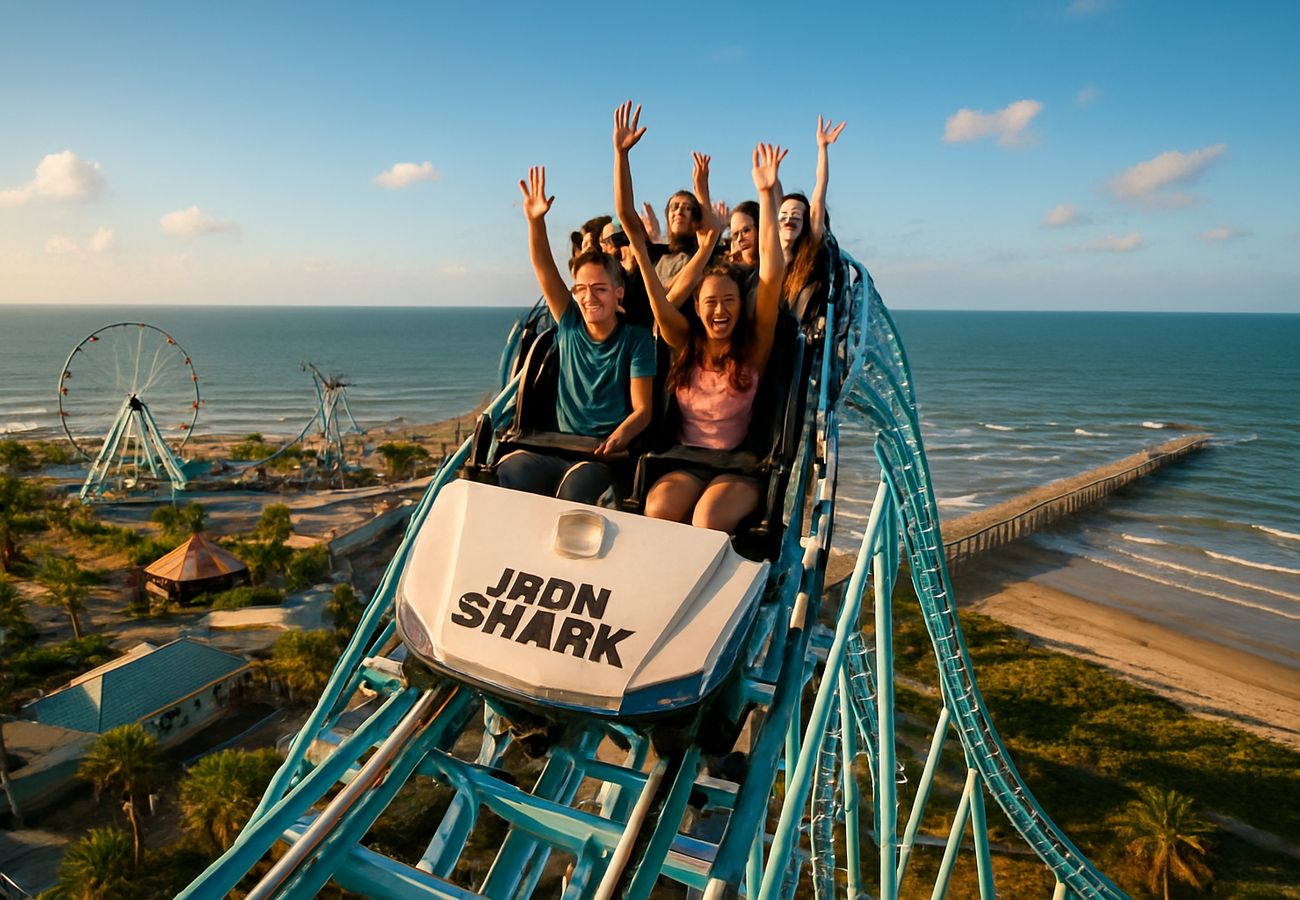
Image generated by AI
Eight students visiting Galveston's Pleasure Pier for a field trip became stranded mid-ride when the Iron Shark roller coaster halted on a steep section of track, suspended high above the boardwalk. Local emergency responders coordinated a multi-hour rescue operation that ultimately brought all passengers safely to ground level. While the incident itself was unsettling, it shines a critical spotlight on the legal and regulatory framework that governs amusement rides across Texas — and what savvy travelers should understand before planning their Gulf Coast adventures.
The Regulatory Backbone: How Texas Protects Amusement Ride Safety
The incident underscores a lesser-known but essential part of tourism infrastructure: official government oversight of mechanical attractions. Texas doesn't leave amusement ride safety to chance. The Texas Department of Insurance (TDI) enforces comprehensive safety standards under the state's Amusement Ride Safety Inspection and Insurance Act, codified in the Texas Occupations Code.
This regulatory framework exists specifically to protect residents, tourists, families on vacation, and organized travel groups. Understanding what it requires provides genuine assurance for visitors planning time at destinations like Pleasure Pier.
What Texas Law Actually Requires of Amusement Rides
The TDI regulatory structure establishes four non-negotiable pillars for any amusement ride:
Ride Definition and Classification. Any mechanical or gravity-based device that carries passengers for amusement — including fixed installations like vertical roller coasters — falls directly under TDI authority. There's no gray area. Rides like Iron Shark are classified, tracked, and monitored from installation onward.
Mandatory Liability Insurance. Operators must file a liability insurance policy with TDI for every single ride. For larger attractions such as roller coasters, minimum coverage requirements are substantial: at least $1,000,000 in bodily injury liability and $500,000 in property damage per occurrence, or a combined single limit of $1,500,000 per occurrence. This insurance requirement exists specifically to ensure that if something goes wrong, financial resources exist to compensate injured parties.
Certified Inspection Certificates. Before any ride opens to the public, it must pass an official inspection performed by an inspector approved by the ride's insurance carrier. Inspectors verify compliance with manufacturer specifications and industry-wide safety standards. Only after passing this inspection does TDI issue an inspection certificate — the legal green light to operate.
Compliance Sticker Requirement. Once a ride meets all inspection and insurance requirements, TDI issues a compliance sticker that must remain visibly affixed during operation. This sticker signals to visitors that the ride has met state standards.
Reddit: "Most people don't realize these stickers exist, but they're your visual proof that a ride has been officially vetted." — r/travel
Why These Rules Matter for Travelers
The regulatory framework doesn't eliminate every possible mechanical failure — the Iron Shark incident proves that rides can still malfunction or stop unexpectedly. But these requirements substantially reduce the likelihood of serious hazards. They ensure regular professional scrutiny, mandate adequate insurance coverage, and establish minimum safety standards before rides ever carry passengers.
For visitors, this means that when you step onto a ride at Galveston's Pleasure Pier or any other Texas amusement venue, you're not gambling with your safety. Regulatory oversight has already been applied. You can review publicly available TDI ride compliance information to verify that specific attractions meet state requirements.
How Mechanical Incidents Disrupt Travel Itineraries
Pleasure Pier is a major draw for Gulf Coast tourism. Visitors combine seaside activities, boardwalk entertainment, historic districts, festivals, and family attractions into multi-day coastal itineraries. Roller coasters like Iron Shark are centerpieces of that experience, attracting both local day-trippers and out-of-state families planning week-long vacations.
When a featured attraction suddenly halts for safety checks or emergency response, it creates cascading impacts on travel plans:
School Group Timing Conflicts. Tour operators and educational institutions orchestrate field trips months in advance around specific attractions. Unexpected closures force rapid schedule reshuffling that can derail carefully planned activities.
Family Vacation Timing. Leisure travelers often allocate specific time blocks for amusement rides during beach vacations. Unplanned delays require improvisation — finding alternative activities, rescheduling dinner reservations, or adjusting pickup times for ground transportation.
Flight and Rental Car Coordination. Visitors coordinating multi-city trips, connecting flights, or rental car returns operate on tight schedules. A single 3-4 hour ride closure can trigger cascading delays through an entire itinerary, potentially creating missed connections or late-return fees.
Smart travelers build flexibility into Gulf Coast plans specifically to accommodate these contingencies. Buffer time — extra hours allocated between major activities — transforms potential frustration into manageable schedule adjustments.
Daily Operations: The Ongoing Safety Cycle
Beyond annual certified inspections, ride operators must perform documented daily inspections. These daily checks cover structural elements, safety restraints, braking systems, signaling mechanisms, and all control systems. Operators maintain inspection records available for review by local and state officials.
This dual-inspection approach — annual certified review plus daily operational readiness verification — creates a structured safety process designed to allow confident operation during active tourism seasons. The framework assumes rides will function normally most of the time, but maintains failsafes for when they don't.
Smart Travel Planning for Mechanical Attractions
If you're planning a visit to Galveston, Pleasure Pier, or any Gulf Coast amusement venue, consider these practical precautions:
Verify Operating Status Before Travel. Check venue websites and call ahead to confirm current operating hours and any maintenance schedules. A 10-minute phone call prevents wasted travel time.
Build Itinerary Buffer Time. Allocate extra hours between major activities. If Iron Shark closes unexpectedly, nearby alternatives — beaches, museums, historic districts, shopping — fill the schedule without stress or disappointment.
Familiarize Yourself with State Safety Standards. Reviewing Texas Department of Insurance amusement ride requirements takes 15 minutes and provides factual reassurance about protections in place. Understanding the regulatory framework builds confidence.
Establish Communication Protocols for Groups. Family leaders and tour operators should confirm everyone has real-time communication access so unexpected delays trigger coordinated responses rather than confusion.
Understand Your Legal Rights. If an incident occurs, you have recourse through the ride operator's mandated liability insurance and potential claims under Texas personal injury law. Documentation matters — take photos, collect witness information, and preserve medical records if necessary.
The Confidence Factor: Regulations as Travel Assurance
Government safety regulations don't promise that mechanical attractions will never experience stoppages or malfunctions. The Iron Shark incident proves otherwise. But the regulatory framework provides measurable assurance that rides operate under certified inspections, maintain adequate liability insurance, and comply with documented safety practices enforced by state officials.
For tourists and travel planners, this knowledge is powerful. You're not relying on hope or faith when you visit Galveston's amusement attractions. You're leveraging a legal structure specifically designed to protect you.
Gulf Coast Travel: Safety Plus Smart Planning
The Iron Shark roller coaster incident that stranded eight students highlights an uncomfortable truth: mechanical attractions, even when well-regulated, can encounter unexpected stoppages. In Texas, the Department of Insurance enforces a regulatory framework ensuring that such attractions operate under certified inspections, required insurance coverage, and daily safety documentation.
For visitors heading to Gulf Coast amusement parks and coastal attractions, official government safety requirements provide a baseline of regulatory assurance. Combined with flexible itinerary planning, buffer time allocation, and advance verification of operating status, this framework supports safer and more confident travel experiences for families, tour groups, and independent visitors alike.
Visit with knowledge, plan with flexibility, and travel with assurance.
Related Travel Guides
Disclaimer
This article is for informational and educational purposes only. It does not constitute legal, financial, or professional advice. While we strive to provide accurate and up-to-date information, travel policies, regulations, and conditions change rapidly. Always verify information with official sources before making travel decisions. Nomad Lawyer makes no representations about the accuracy, reliability, completeness, or suitability of the information provided. Readers should consult qualified professionals for advice specific to their circumstances. The views expressed in this article are those of the author and do not necessarily reflect the views of Nomad Lawyer.
Preeti Gunjan
Contributor & Community Manager
A passionate traveller and community builder. Preeti helps grow the Nomad Lawyer community, fostering engagement and bringing the reader experience to life.
Learn more about our team →