
Beyond Gaming: Reno Tahoe Establishes Record Four-Season Tourism Growth
Reno Tahoe generates nearly $500 million in taxable room revenue, driven by a unique blend of Lake Tahoe's outdoors and Reno's conventions.

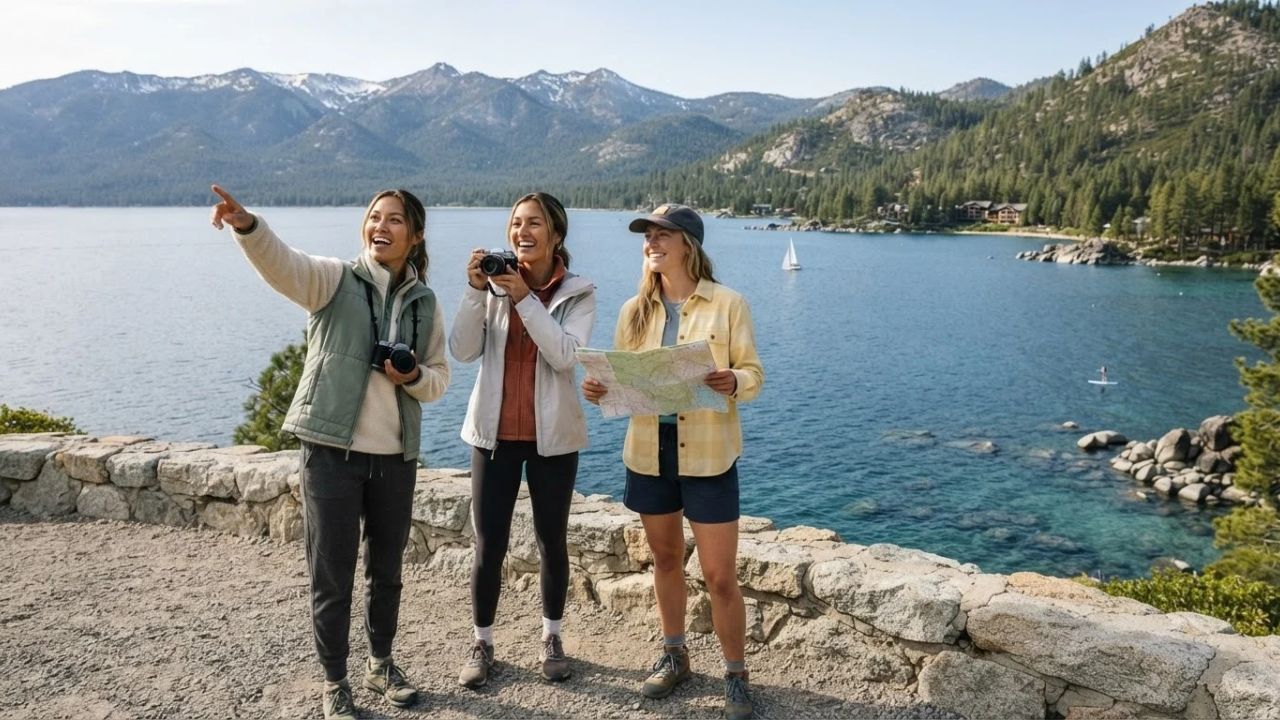
Image generated by AI
Reno Tahoe’s visitor economy has generated nearly $500 million in taxable room revenue, marking a major milestone for Northern Nevada's four-season tourism. Backed by a $5.2 billion total economic impact in 2024, the region is successfully blending urban entertainment with outdoor recreation to draw a record volume of travelers.
The Diversification of Northern Nevada's Tourism Model
Raleigh, Las Vegas, and Reno have historically been recognized for gaming and entertainment. However, a significant transformation has occurred in northern Nevada as Reno Tahoe repositioned itself as a diversified adventure and lifestyle hub. By connecting Reno’s hospitality infrastructure with Lake Tahoe and the Sierra Nevada mountains, the region has created a year-round travel destination.
This diversified model appeals to multiple traveler segments, reducing dependence on any single industry. Mid-week conventions, regional sporting tournaments, winter ski enthusiasts, and summer lake travelers coordinate to maintain high lodging demand throughout the year. This strategy distributes economic benefits across the region, supporting local merchants, outdoor guides, and hospitality providers in both Reno and Sparks.
Taxable Room Revenue and Regional Economic Impact
Tourism metrics released by the Reno-Sparks Convention & Visitors Authority (RSCVA) highlight the economic impact of this travel growth:
- Taxable Room Revenue: Reno Tahoe generated nearly $500 million in taxable room revenue, reflecting strong demand across hotels, boutique properties, and resorts.
- Total Economic Impact: Visitor activity generated approximately $5.2 billion in total economic impact in 2024, demonstrating that tourism supports businesses far beyond the accommodation sector.
- Visitor Diversity: The region has successfully attracted corporate delegates, amateur sports tournaments, and nature-focused travelers, creating a balanced tourism ecosystem.
This economic strength supports public service investments and local infrastructure development, directly benefiting regional communities.
Connecting Lake Tahoe to the Urban Core
Reno Tahoe's primary competitive advantage is the proximity of its urban center to some of the country's most famous natural attractions. Visitors can enjoy fine dining, theatrical entertainment, and convention facilities in Reno before exploring the Sierra Nevada wilderness:
- Lake Tahoe: Located a short drive south-west of Reno, the lake is celebrated for its crystal-clear waters and surrounding alpine forests. In the summer, visitors travel for sailing, kayaking, paddleboarding, and scenic highway drives.
- Sierra Nevada Mountains: In the winter, the region's mountain passes and ski resorts attract snowboarders and skiers from across the United States and international markets. During the warmer months, these same trails serve hikers and mountain cyclists.
This combination of urban convenience and outdoor accessibility appeals to modern travelers who want a vacation that combines city amenities with nature-based wellness.
Improved Aviation Access: Reno-Tahoe International Airport
The expansion of Reno Tahoe's tourism sector is supported by increased passenger volume at regional transit hubs. Reno-Tahoe International Airport welcomed approximately 4.9 million passengers in 2025, reflecting improved flight connectivity from major domestic markets.
Better flight accessibility makes it easier for convention planners and sports organizations to host national events in Northern Nevada. It also provides international travelers with a convenient entry point to explore the California-Nevada border region, bypassing larger, more congested West Coast airports.
Ecological Preservation and Responsible Outdoor Travel
For the visitor, the real impact of Reno Tahoe's outdoor tourism is the opportunity to support regional conservation efforts. Lake Tahoe's fragile alpine ecosystem faces challenges from seasonal traffic and urban runoff, making responsible recreation practices essential.
Local tourism campaigns coordinate with conservation groups like the League to Save Lake Tahoe (Keep Tahoe Blue) to educate visitors on trail etiquette, invasive species prevention, and waste management. Using public shuttle systems, staying on designated trails, and packing out all trash helps protect the lake's water clarity and mountain habitats. This balance ensures that tourism growth supports both the economy and the environment.
For example, you can explore the changing dynamics of US Cities Drive Global Tourism Through BBQ, Jazz, Sports, and Authentic Heritage to see how regional pride is shaping travel. For budget-conscious travelers, aligning slow city travel with municipal transit options mirrors similar regional initiatives, such as the Free Admission at Select US State Parks programs. This trend is similar to the tourism growth seen in other destinations, as detailed in our guide on how Utica, New York Emerges as an Affordable Northeast Tourism Hub.
Visitor Insider Tips: Navigating Reno Tahoe
To coordinate a successful year-round trip to Reno Tahoe and experience both the city and the mountains, keep these practical tips in mind:
- Check the Event Calendar: Large conventions, sporting championships, or cultural festivals can increase hotel demand in Reno. Review the RSCVA calendar before booking your stay.
- Prepare for Elevation Shifts: Lake Tahoe is located at an elevation of 6,225 feet, while the surrounding peaks rise much higher. Give yourself time to adjust to the altitude, stay hydrated, and pack layers for changing mountain temperatures.
- Utilize Public Mountain Shuttles: In the summer and winter, use public transit options like the Tahoe Truckee Area Regional Transportation (TART) system to travel between mountain trailheads, ski resorts, and lakeside towns, avoiding parking shortages.
- Secure Ski Passes Early: If planning a winter ski holiday, purchase lift tickets and equipment rentals in advance to secure better rates and avoid long lines.
- Dine in Midtown Reno: Explore the Midtown District in Reno, known for its independent restaurants, craft breweries, art murals, and boutique shops, keeping your spending within the local business community.
Long-Term Outlook for Northern Nevada Tourism
The long-term outlook for Reno Tahoe's tourism economy is positive, supported by ongoing private investment in resorts, public infrastructure upgrades, and environmental protection projects. By continuing to promote a balanced mix of conventions, sports tournaments, and outdoor adventure, the region is well-positioned for sustainable growth.
As global travelers increasingly prioritize active, nature-focused vacations that offer urban convenience, Reno Tahoe's four-season model serves as a strong template for destination development.
FAQ
What is the annual economic impact of tourism in Reno Tahoe?
Tourism generated approximately $5.2 billion in total economic impact in 2024, supporting hotels, retail, dining, and public services.
How much room revenue does the destination generate?
Reno Tahoe generated nearly $500 million in taxable room revenue, reflecting strong visitor demand across hotels and resorts.
How many passengers use the Reno-Tahoe International Airport?
The airport welcomed approximately 4.9 million passengers in 2025, providing direct domestic connections to support tourism growth.
What is Keep Tahoe Blue?
Keep Tahoe Blue is the slogan of the League to Save Lake Tahoe, a regional conservation group focused on protecting the lake's water clarity and alpine ecosystem.
Stay updated on the latest trends in outdoor recreation and regional tourism.
Related Travel Guides
Disclaimer
This article is for informational and educational purposes only. It does not constitute legal, financial, or professional advice. While we strive to provide accurate and up-to-date information, travel policies, regulations, and conditions change rapidly. Always verify information with official sources before making travel decisions. Nomad Lawyer makes no representations about the accuracy, reliability, completeness, or suitability of the information provided. Readers should consult qualified professionals for advice specific to their circumstances. The views expressed in this article are those of the author and do not necessarily reflect the views of Nomad Lawyer.
Raushan Kumar
Founder & Lead Developer
Full-stack developer with 11+ years of experience and a passionate traveller. Raushan built Nomad Lawyer from the ground up with a vision to create the best travel and law experience on the web.
Learn more about our team →