
Reducing Strait of Hormuz Reliance 2026: US-Backed Pipelines to Bypass Iran Tensions
The US has joined Saudi Arabia, UAE, China, India, and Europe in a strategic push for overland pipelines to bypass the Strait of Hormuz and secure global energy flows.

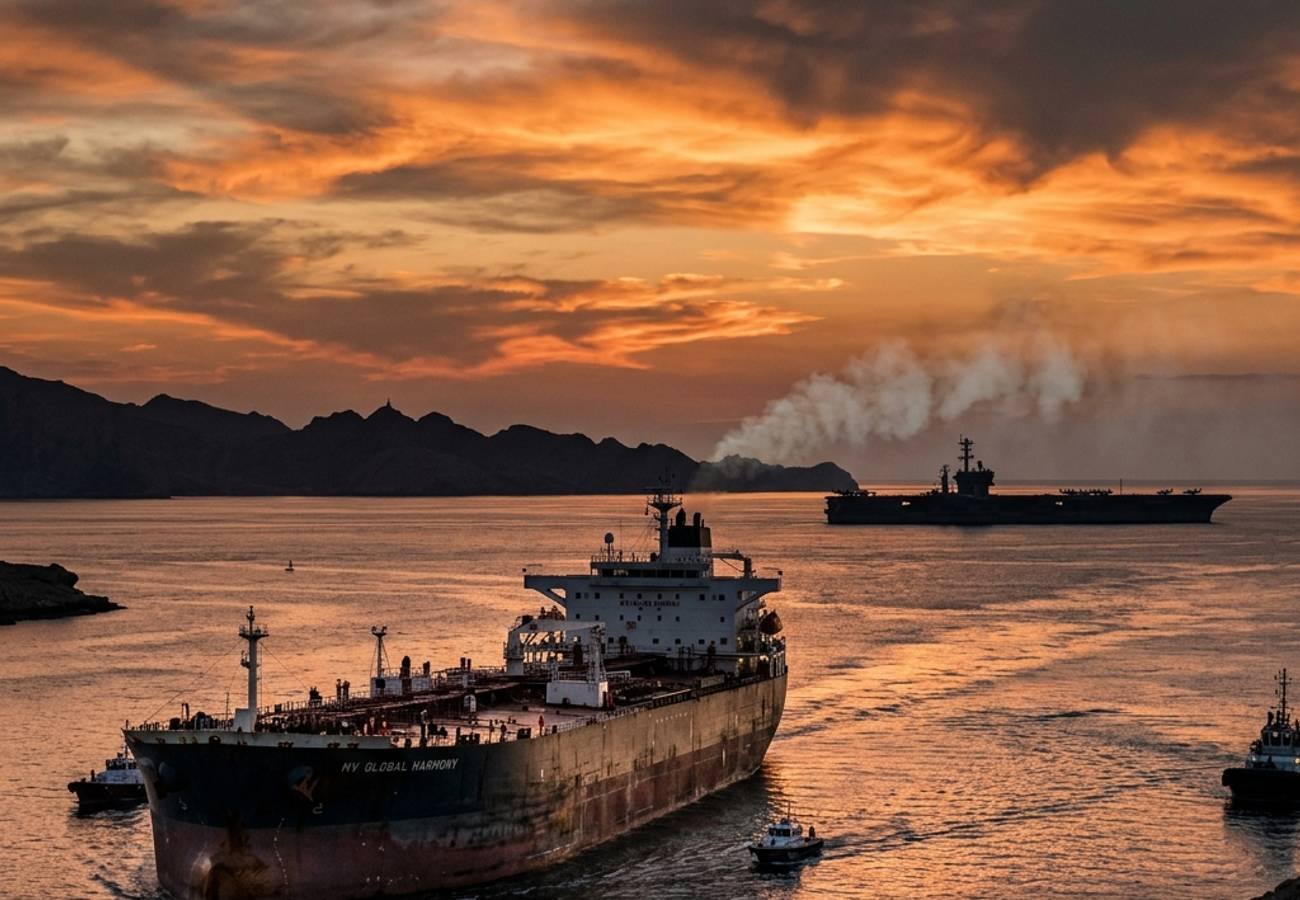
Image generated by AI
Quick Summary
- The Initiative: The United States has joined a global coalition—including Saudi Arabia, the UAE, China, India, and Europe—to accelerate overland pipeline projects that bypass the Strait of Hormuz.
- Strategic Need: Nearly one-fifth of global oil shipments currently transit through the Strait, a maritime chokepoint frequently threatened by Iran-related geopolitical tensions.
- The Proposal: US-backed overland routes will link Gulf oil producers directly to ports on the Red Sea, Arabian Sea, and Mediterranean Sea.
- Primary Goal: Mitigate the risk of global supply disruptions, stabilize energy prices, and provide alternative export pathways for strategic flexibility.
The global energy map is undergoing a historic realignment in May 2026 as the world's major economies move to reduce their dependence on the Strait of Hormuz. Driven by persistent regional instability and the threat of maritime blockades, the US-backed pipeline proposal aims to secure the flow of energy to international markets via land-based corridors. This multi-national effort involves key stakeholders from the Middle East, Asia, and Europe, each seeking to insulate their domestic industries and consumers from the volatility of Gulf shipping lanes.
Strait of Hormuz Dependency: National Interests and Diversification Strategies (2026)
The initiative reflects a hybrid transport strategy combining high-capacity pipelines with diverse maritime exit points.
| Country / Region | Dependence on Hormuz | Diversification Interest | Primary Strategic Concern |
|---|---|---|---|
| United States | Moderate | High | Global market and ally energy stability |
| Saudi Arabia | Low–Moderate | Very High | Secure export channels & Vision 2030 goals |
| UAE | Moderate | High | Trade continuity and logstics resilience |
| China | High | High | Energy import security for industrial growth |
| India | High | High | Price stability and cost-per-barrel security |
| Europe | Moderate | High | Avoiding inflationary energy price shocks |
The US-Backed Pipeline Proposal: Bypassing the Gulf Chokepoint
The core of the proposal involves a network of high-volume pipelines connecting the oil-rich fields of the Gulf to the Red Sea and Arabian Sea. By bypassing the narrow Strait of Hormuz, these overland routes ensure that even in the event of a total maritime blockade by Iran, nearly 40% of the region’s output could still reach international markets. The project is seen as a "security valve" for the global economy, designed to prevent the catastrophic price spikes that would follow a closure of the Strait.
Geopolitical Strategy: Why the US is Championing Overland Routes
From the perspective of Washington, the Strait of Hormuz represents a strategic vulnerability that empowers adversaries and threatens the energy security of key allies. By leading the charge for overland alternatives, the US aims to:
- Protect Global Flow: Ensure that geopolitical tensions do not translate into industrial paralysis for European and Asian partners.
- Counter-Coercion: Reduce the leverage of Iran-aligned groups over global shipping lanes.
- Market Stability: Maintain a predictable and stable energy pricing environment for global markets.
Regional Leaders: Saudi Arabia and UAE Infrastructure Projects
Both Riyadh and Abu Dhabi have already made significant strides in this direction:
- Saudi Arabia: The existing East-West Pipeline (Petroline) allows the Kingdom to transport oil from its eastern fields to the port of Yanbu on the Red Sea, completely bypassing the Gulf. The 2026 initiative seeks to expand this capacity significantly.
- UAE: Abu Dhabi has constructed pipelines linking inland fields to the port of Fujairah on the Gulf of Oman, providing a reliable export hub outside the Strait's immediate control.
Energy Security in Asia: China and India’s Strategic Pivot
As the largest importers of Gulf oil, China and India view the pipeline project as a critical economic safeguard.
- China: Beijing’s priority is securing reliable energy flows to maintain domestic manufacturing and industrial stability. While they remain cautious of increased Western influence over these pipelines, the risk of a Hormuz closure is considered a greater threat.
- India: New Delhi seeks to reduce import vulnerabilities and buffer against the sudden price spikes that typically accompany Middle Eastern geopolitical volatility.
Europe’s Resilience: Lessons from Past Energy Crises
European policymakers view the US-backed initiative as a necessary step to safeguard household energy affordability and industrial competitiveness. Having faced severe energy price shocks in the past, Europe is an active proponent of diversified transit routes that prevent a single maritime chokepoint from holding the continental economy hostage.
Geopolitical Risks: Sabotage and High Coordination Costs
While land-based routes offer safety from maritime blockades, they introduce new risks:
- Vulnerability to Sabotage: Overland pipelines are susceptible to physical attacks and regional disputes.
- Infrastructure Costs: The construction of multi-thousand-kilometer pipelines requires billions in investment.
- Diplomatic Finesse: Coordinating between multiple sovereign states with varying interests requires intense and ongoing diplomatic efforts.
FAQ: Strait of Hormuz Bypass 2026
Why is the Strait of Hormuz so important? The Strait is the world's most important oil transit chokepoint, with nearly 20% of the world's liquid petroleum moving through its narrow waters daily.
Are these pipelines already operational? Some, like Saudi Arabia's East-West pipeline, are operational but under-capacity. The US-backed proposal aims to significantly expand the existing network and create new links to the Mediterranean.
Does this mean the Strait of Hormuz will no longer be used? No. Shipping will remains the most cost-effective way to move large volumes of oil. The pipelines act as a "strategic backup" to ensure supply continuity during crises.
Related Travel Guides
Disclaimer
This article is for informational and educational purposes only. It does not constitute legal, financial, or professional advice. While we strive to provide accurate and up-to-date information, travel policies, regulations, and conditions change rapidly. Always verify information with official sources before making travel decisions. Nomad Lawyer makes no representations about the accuracy, reliability, completeness, or suitability of the information provided. Readers should consult qualified professionals for advice specific to their circumstances. The views expressed in this article are those of the author and do not necessarily reflect the views of Nomad Lawyer.
Kunal K Choudhary
Co-Founder & Contributor
A passionate traveller and tech enthusiast. Kunal contributes to the vision and growth of Nomad Lawyer, bringing fresh perspectives and driving the community forward.
Learn more about our team →