
A Real Traveler's Guide to Ladakh: What Actually Matters
A realistic first-timer's guide to Leh Ladakh: what maps don't tell you about altitude, travel times, where to stay, and how to make the trip genuinely unforgettable.
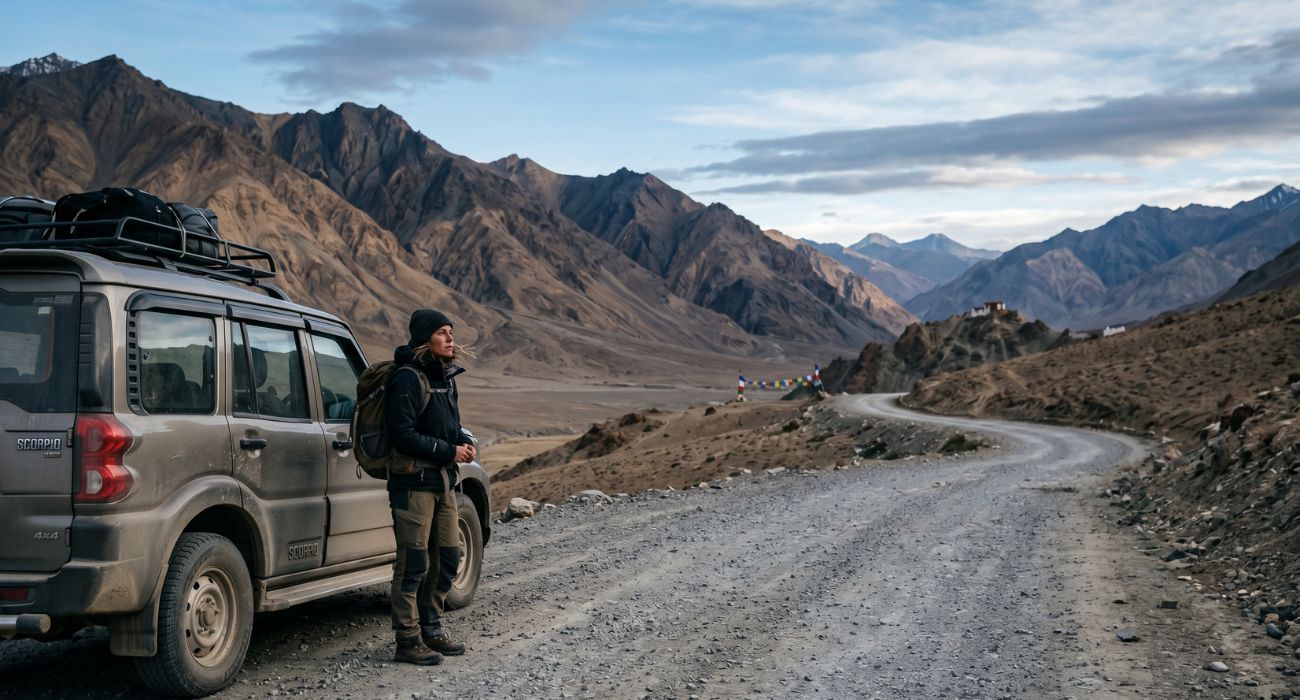
Image generated by AI
Most travel guides for Ladakh talk only about beautiful lakes, bike rides, and dramatic mountain roads. Those things are definitely part of the experience, but they are not the full story.
Ladakh is different once you actually spend days there. The altitude affects your body more than expected, roads take longer than maps suggest, and even simple things like walking uphill or sleeping properly can become difficult during the first few days. At the same time, the landscapes, silence, and slow rhythm of life make the journey unforgettable in a way very few places do.
Reddit: "Ladakh is genuinely unlike anywhere else in India. But please, please acclimatize first. I ignored that advice and spent half my trip with a splitting headache." — r/solotravel
If you are planning a Leh Ladakh tour package for the first time, this is the kind of guide I personally wish I had before going.
Best Time to Visit Ladakh
The best time to visit Ladakh is from June to September. During these months, the weather is pleasant (15°C to 30°C), major mountain passes like Khardung La are accessible, and both the Srinagar-Leh and Manali-Leh highways are open for road trips. The actual right time depends on the kind of experience you want.
May to July is the most comfortable period for first-time travelers. Roads remain accessible, the weather stays manageable during the day, and famous places like Pangong Lake and Nubra Valley become easier to reach. This is also peak tourist season, so expect more crowds and higher prices for accommodation and permits.
August to September personally felt like the best balance. The weather remains good, tourist crowds reduce slightly, and the landscapes still look wonderful. Nights become colder, but the overall experience feels calmer compared to peak summer. Reddit: "August Ladakh was quieter than I expected and I loved it. Less competition for campsites near Pangong, and the sky at night was unreal." — r/travel
October to February Now, this period is only for travelers comfortable with extreme cold and unpredictable road conditions. Winter in Ladakh looks unreal, but the trip becomes much harder physically. As every road to Ladakh closes during this time, the only way to visit is the Ladakh package from Delhi, and let me tell you this will be the most beautiful flight journey of your life, the views of the Himalayas from above are something you won’t forget. For most first-time visitors, summer and early autumn are best and more comfortable.
Places in Ladakh That Are Not To Miss
Leh
Leh is not just a stop before the "real trip." It is important because your body genuinely needs time here to acclimatize. Even though there are government guidelines to spend at least two days here before heading to Nubra or Pangong, the Khardungla checkpoint enforces this — they will not issue a valid permit to travelers who have not properly acclimatized.
The slower pace helps you adjust to the altitude gradually. Small cafés, quiet evenings, and mountain views from hotel rooftops all feel calmer than expected. Spend at least two full nights in Leh before moving toward higher regions, no matter how tempting the itinerary looks.
Pangong Lake
Yes, it is crowded now. Still, the lake looks unreal during early mornings. The changing shades of blue, freezing winds, and silence before tourist vehicles arrive make a huge difference to the experience. Reddit: "Get to Pangong before 7 AM. The colors are magical and the crowds haven't arrived yet." — r/travel
Staying near the lake overnight feels worth it despite the cold. Carry extra layers — it gets significantly colder than Leh once the sun sets over the mountains.
Nubra Valley
Nubra surprised me the most. After dry mountain stretches, the valley suddenly feels softer and greener. Roads are less harsh, and evenings become unusually peaceful. The sand dunes and double-humped camels make the place feel completely different from the rest of Ladakh.
The Bactrian camels found here are not native to Ladakh. They exist because old trade routes once passed through, connecting Central Asia and Ladakh through ancient caravan networks. They are living proof of centuries of cross-border commerce — a detail most guides skip entirely.
Khardung La
Khardung La is one of the highest motorable mountain passes in the world, situated approximately 39 km by road from Leh at an elevation between 17,582 and 18,380 feet. It serves as the gateway to the Shyok and Nubra valleys. Breathing genuinely becomes difficult after some time here, and temperatures change fast. Keep your time at the top short, especially on your first visit to the region.
Magnetic Hill
Honestly, Magnetic Hill felt more fun than magical. Still, stopping there during long drives breaks the journey nicely. A few cafes sell Ladakhi and Chinese food near the spot. The surrounding empty roads and landscapes make the stop memorable, even if the "magnetic effect" itself is slightly overhyped. It is simply an optical illusion — the road appears to slope upward when it actually slopes gently downward, causing vehicles to naturally roll forward.
Things To Actually Do in Ladakh
Ride Through the Mountain Roads
Even if you are not doing the full bike-trip experience, long road journeys become one of the biggest parts of Ladakh itself. The drives toward Pangong Lake and Nubra Valley are as wonderful as they are exhausting — and unforgettable at the same time. Some stretches feel completely empty for hours, which honestly becomes part of the experience. Reddit: "The drive to Pangong is stunning but budget at least 5–6 hours. Don't rush it." — r/solotravel
Try ATV Rides and Camel Safari in Nubra
The sand dunes in Nubra feel genuinely different from the rest of Ladakh. ATV rides there feel exciting because you are surrounded by mountains and cold desert landscapes simultaneously. The double-humped camel safari looks touristy initially, but the ride actually feels fun during evening hours when the valley becomes quieter and the light turns golden.
Visit Monasteries Slowly
Places like Thiksey Monastery and Diskit Monastery are not places to rush through for photographs. The quiet atmosphere, prayer sounds, mountain views, and cold air around these monasteries feel calming after long road journeys. The right approach is simply to be present there for a while.
Try Local Ladakhi Food
Most travelers end up eating café food repeatedly, but local Ladakhi meals felt much more memorable. A warm bowl of thukpa during cold evenings genuinely feels comforting after hours on the road. Try momos, skyu (a traditional Ladakhi pasta stew), and butter tea at least once — the food matches the weather and atmosphere of Ladakh surprisingly well.
Stargazing Feels Unreal in Ladakh
This became one of my favorite experiences from the trip. The night sky in Ladakh looks completely different once you move away from crowded areas and city lights. Near Pangong or Nubra, the sky is extraordinarily clear on cold nights. Staying outside for long becomes difficult because of the temperature, but even a few minutes under those stars feels worth every uncomfortable second.
Choosing the Right Stay in Ladakh
Always start in Leh — do not land and immediately move toward Pangong or Nubra unless it is absolutely necessary. Your body needs acclimatization before reaching higher regions, and checkpoints near Khardung La enforce this.
Staying too close to the Leh main market gives convenience, but it can also get noisy during tourist season. Slightly outer areas feel quieter while still remaining accessible to everything you need.
Near Pangong, most stays are either cottages or camps, and they remain basic because of the remote location and harsh weather. Many travelers expect luxury based on social media photographs. Carry warm layers even if your booking looks comfortable online — temperatures drop sharply after sunset.
Ladakh Is Beautiful, But It Is Not Easy
One thing that becomes clear very quickly is that Ladakh rewards patience. Rushing through itineraries leads to exhaustion, headaches, and frustration. The roads are longer than expected, altitude affects everybody differently, and weather changes quickly without warning.
Reddit: "Altitude sickness is real. Drink water constantly, skip alcohol for the first two days, and don't overexert yourself. You will thank yourself later." — r/travel
At the same time, that difficulty becomes part of what makes the experience memorable. The challenge is inseparable from the reward.
What Stayed With Me After Leaving Ladakh
The thing I remember most about Ladakh is not a single attraction. It is the feeling. The silence during long drives, cold air in Leh mornings, endless mountain roads, and slow evenings somehow stayed in my mind much longer than any photograph did.
Ladakh did not feel relaxing all the time. The altitude was a constant presence, the roads were demanding, and the cold crept in when least expected.
Maybe that is exactly why the trip still feels unforgettable.
Go slow, breathe deep, and let Ladakh happen at its own pace — it will reward you for it.
Related Travel Guides
Jammu and Kashmir Records Historic Tourism Boost — What Travelers Need to Know
Skip the Visa: Indian Travel Companies Battle Cost Crisis in Modi's Domestic Push
10 Essential Tips for First-Time Spiti Valley Travelers According to Reddit
Disclaimer: Travel information reflects May 2026 conditions. Trail conditions, weather, road access, and permit requirements in Ladakh may change seasonally. Always check current conditions with local authorities, carry proper gear, and respect Leave No Trace principles.