
Uncover Japan Hidden Gems as 40M+ Visitors Shift Beyond Tokyo
Japan's record 40 million visitors in 2025 are discovering regional hidden gems and embracing slow travel. Travelers now bypass crowded Tokyo and Kyoto for quieter villages, art festivals, and seasonal experiences across lesser-known prefectures in 2026.

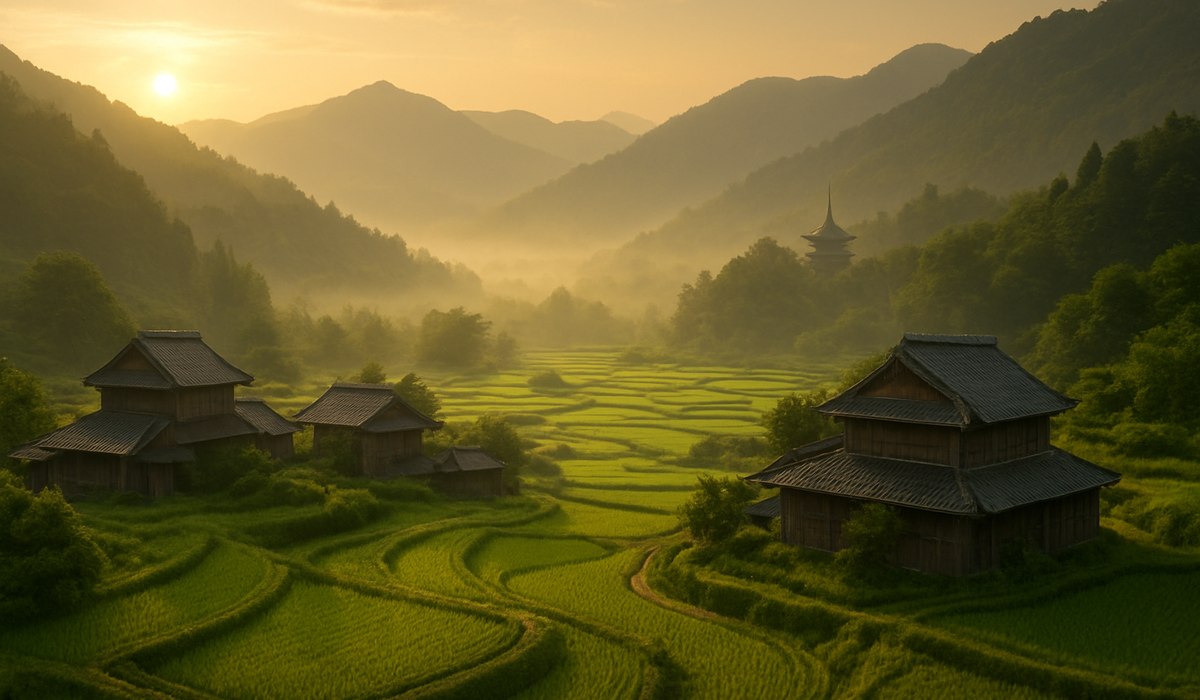
Image generated by AI
Japan's Tourism Boom Reshapes Visitor Patterns Beyond Major Cities
Japan welcomed over 40 million international visitors in 2025, shattering pre-pandemic records and solidifying its position as a global travel destination. Yet this historic tourism surge is fundamentally transforming how and where travelers explore the country. Rather than converging on Tokyo's neon streets and Kyoto's packed temples, visitors increasingly uncover Japan hidden gems scattered across quieter prefectures and seasonal destinations.
The shift reflects mounting pressure on iconic locations. Securing accommodation in Kyoto during cherry blossom season now requires booking months ahead. Popular temples and gardens experience dangerous overcrowding during peak weeks. These bottlenecks have pushed travelers to seek alternatives that deliver authentic Japanese culture without the crowds.
Slow Travel Emerges as the New Dominant Trend in Japanese Tourism
The tourism landscape in 2026 reveals a marked departure from traditional circuit-based itineraries. Instead of rushing between Tokyo, Kyoto, and Osaka, travelers now embrace "slow travel"—extended stays in single regions that encourage deeper cultural immersion and personal connections.
This movement aligns with national revitalization policies designed to distribute tourism beyond coastal megacities. Regional governments actively promote lesser-known destinations through enhanced transportation infrastructure and boutique accommodation options. Rural rail passes have been revised to make regional exploration more affordable, while family-run inns proliferate in smaller prefectures.
The economic impact extends beyond visitor spending. Slow travel supports local agriculture, preserves traditional crafts, and creates sustainable employment in depopulating communities. Travelers spending a week in a farming village contribute more meaningfully to local economies than overnight visitors chasing photo opportunities.
Learn more about sustainable tourism practices through the UN World Tourism Organization's Best Tourism Villages program, which has recognized several Japanese communities for balancing heritage preservation with responsible visitor management.
Hidden Gems: Regional Destinations Gaining Traction Among International Visitors
Contemporary art festivals now rival cherry blossoms as reasons to uncover Japan hidden cultural landscapes. The Echigo-Tsumari Art Triennial in Niigata Prefecture exemplifies this trend, dispersing massive installations across rice terraces, mountain hamlets, and converted schoolhouses. Outside festival peak dates, these areas remain refreshingly quiet compared with urban attractions, offering art enthusiasts a genuine escape.
Farmhouse-inn clusters throughout Ishikawa Prefecture demonstrate another emerging model. Traditional wooden homes are restored as intimate lodgings operated by local families. Guests participate in seasonal agricultural cycles, learn traditional cooking techniques, and connect with craft traditions rarely appearing on standard package tours. These experiences typically cost less than comparable urban accommodations while generating direct income for rural residents.
Beyond Niigata and Ishikawa, prefectures like Nagano, Yamanashi, and Kochi are experiencing visitor increases as travelers seek mountain scenery, hot springs, and forest experiences. Regional tourism boards report rising international interest in areas once considered peripheral to Japan's main tourist circuit.
Explore curated regional travel experiences through the Japan National Tourism Organization's official destination guides, which highlight emerging attractions and practical visitor information across prefectures.
Seasonal Spectacles and Best Times to Visit Lesser-Known Areas
Cherry blossoms dominate March and April but come with documented challenges: crowding, safety concerns from aging trees, and shorter bloom windows due to climate shifts. Forward-thinking travelers now seek alternative seasonal events that offer comparable beauty with superior access.
Early sakura varieties bloom in late February across Kyushu and Shikoku, attracting far fewer visitors than Tokyo's March peak. Summer mountain festivals in Toyama and Gifu prefectures showcase traditional music and dance with authentic local participation. Autumn foliage appears first in northern regions like Hokkaido (late September) before southern areas, creating extended opportunities beyond October's capacity crunch.
Winter transforms often-overlooked destinations. Snow festivals in rural Nagano and onsen (hot spring) villages in volcanic regions like Hakone offer serene experiences when international crowds migrate elsewhere. Spring's golden weeks—national holidays in late April and early May—increasingly draw visitors to smaller towns rather than major cities as accommodation scarcity pushes travelers toward alternatives.
Data from regional tourism boards confirms that understanding seasonal rhythms across different prefectures is now essential for uncover Japan hidden experiences that balance cultural richness with reasonable access.
Key Tourism and Travel Pattern Data for 2026
| Metric | Figure | Year | Source |
|---|---|---|---|
| Total International Visitors to Japan | 40+ million | 2025 | Japan National Tourism Organization |
| Average Booking Lead Time (Kyoto Peak Season) | 3-4 months | 2026 | Regional Accommodation Providers |
| Slow Travel Average Duration per Destination | 5-7 days | 2026 | Travel Analytics Firms |
| Rural Art Festival Annual Visitors (Echigo-Tsumari) | 600,000+ | 2025 | Event Organizers |
| Regional Rail Pass Usage Increase | 35% year-over-year | 2026 | Japanese Railways |
| Early Sakura Season Visitor Count (Kyushu) | 40% below peak Tokyo levels | February-March 2026 | Regional Tourism Boards |
What This Means for Travelers Planning Japan Visits in 2026
The transformation of Japan's tourism landscape creates distinct advantages for informed travelers:
-
Book shoulder-season travel now. March in Kyushu, May in rural Nagano, and September in Hokkaido offer superior access with reasonable weather. These windows uncover Japan hidden seasonal beauty without peak-season infrastructure strain.
-
Invest in regional rail passes. Revised transportation options make multi-prefecture itineraries affordable. A two-week slow travel experience across three regions costs less than a week centered on Tokyo.
-
Research farmhouse inns and community-run accommodations early. Boutique rural lodgings fill quickly despite lower visibility than hotel chains. Direct booking with operators often yields better pricing and deeper cultural engagement.
-
Plan around regional festivals beyond sakura. Contemporary art triennials, summer matsuri, and winter snow festivals distribute demand while offering authentic experiences. Check prefecture tourism websites for event calendars.
-
Build flexibility into itineraries. Slow travel requires time. Five-day stays in single regions allow genuine connection with local guides, seasonal rhythms, and unexpected discoveries that rapid-transit itineraries preclude.
Frequently Asked Questions
What prefectures currently offer the best hidden gem experiences for international visitors?
Niigata, Ishikawa, Nagano, Kochi, and Toyama consistently rank highest for accessible alternatives to Tokyo and Kyoto. Each offers distinct attractions: Niigata's art festivals, Ishikawa's farmhouse inns, Nagano's mountain culture, Kochi's river gorges, and Toyama's traditional crafts. Regional tourism boards provide English-language resources for each destination.
When is the absolute best time to visit Japan to avoid crowds while uncover Japan hidden gems?
Late February through early March in Kyushu offers early sakura with minimal crowds. September in Hokkaido provides excellent weather and sparse visitor numbers. These shoulder periods balance seasonal appeal with reasonable accommodation availability and reduced infrastructure pressure.
How much should international travelers budget for slow travel experiences in rural Japan?
Farmhouse inns typically cost 8,000-15,000 yen per night with meals included—roughly 40-50% less than equivalent urban hotels. Regional restaurants and public transportation are similarly economical. A week in rural destinations often costs less than three nights in Tokyo despite superior cultural engagement.
**Are English-language guides and resources available in emerging regional destinations
Disclaimer
This article is for informational and educational purposes only. It does not constitute legal, financial, or professional advice. While we strive to provide accurate and up-to-date information, travel policies, regulations, and conditions change rapidly. Always verify information with official sources before making travel decisions. Nomad Lawyer makes no representations about the accuracy, reliability, completeness, or suitability of the information provided. Readers should consult qualified professionals for advice specific to their circumstances. The views expressed in this article are those of the author and do not necessarily reflect the views of Nomad Lawyer.
Preeti Gunjan
Contributor & Community Manager
A passionate traveller and community builder. Preeti helps grow the Nomad Lawyer community, fostering engagement and bringing the reader experience to life.
Learn more about our team →