
Queensland Unveils South East Paddock-to-Plate Food Corridors and Enforces Mandatory Farmgate Biosecurity Around Brisbane: What Every Traveller Must Know

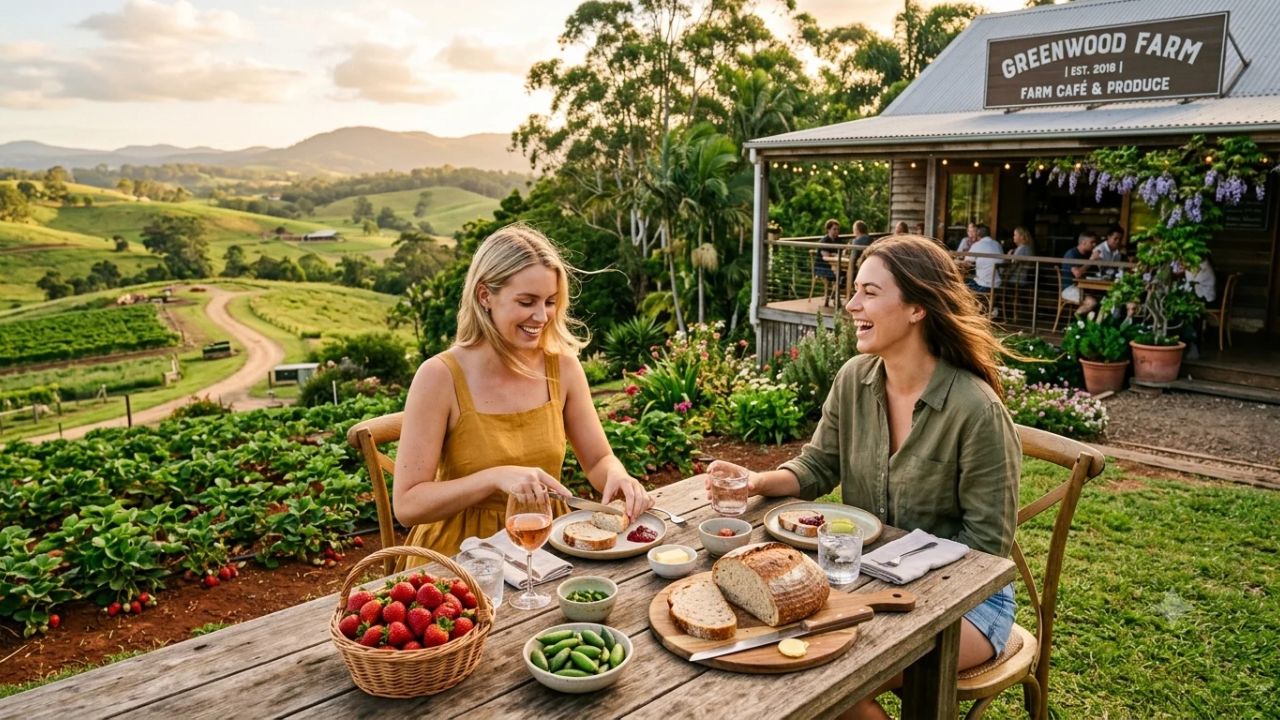
A multi-million-pound rural tourism transformation has officially linked Greater Brisbane to regional agricultural valleys, unlocking high-yield paddock-to-plate travel corridors while introducing mandatory biosecurity protocols for tourists visiting working farms. Under the joint South East Queensland Food System Strategy and the landmark $1.8 billion SEQ City Deal, holidaymakers can now journey from downtown Brisbane to boutique farm-stay lodges, artisan creameries, and organic orchards within 60 to 90 minutes.
As public access expands across more than 500 agricultural venues, state authorities and biosecurity agencies are mandating strict farmgate check-in procedures, foot-wash stations, and zoned transit pathways to safeguard the nation’s multi-billion-pound farming sector against biological contamination. Spearheaded collaboratively by the Council of Mayors (SEQ), the Commonwealth Scientific and Industrial Research Organisation (CSIRO), and the Queensland Government, the master plan forms an interconnected ring connecting urban dining rooms, international cruise terminals, and Brisbane Airport to rural production heartlands. With the regional metropolitan population projected to expand to six million inhabitants by 2046, creating localized, climate-resilient food and travel logistics has become both an environmental safeguard and a high-growth travel sector.
Regional Paddock-to-Plate Master Plan: Connecting Greater Brisbane to Country Valleys
The foundational architecture uniting primary agricultural valleys with metropolitan tourism is the South East Queensland Food System Strategy. Developed through an inter-agency partnership between regional mayors, the CSIRO, and state agricultural departments, this comprehensive framework treats regional agriculture not merely as commodity production, but as an experiential travel destination. By modernizing regional freight routes and integrating digital tracking, the strategy establishes direct supply links from rural paddocks to Brisbane's finest dining establishments, riverfront precincts, and airport transit corridors.
SOUTH EAST QUEENSLAND AGRITOURISM MACROECONOMIC BENCHMARKS
| Economic & Infrastructure Metric | Strategic Baseline | Target / Operational Benchmark |
|---|---|---|
| Total Multi-Tiered Public Funding | Historical Grants Mix | $1.8 Billion SEQ City Deal Investment |
| Projected Regional Population | ~3.8 Million Residents | 6.0 Million Inhabitants by 2046 |
| Rural-to-Urban Transit Corridor | 2.5 to 3.5 Hours Travel | 60 to 90 Minutes Direct Drive |
| Tourist-Facing Farm Venues | ~120 Unregulated Farms | >500 Properties with Mandatory Checks |
| Biosecurity Infrastructure Fund | Ad-Hoc Emergency Grants | $15 Million Dedicated Allocation |
| Clean Energy Regional Deployment | Grid Dependency Standard | $5 Million Distributed Solar & Storage |
| Water Security Pipeline Capacity | Seasonal Bore Reliances | 50,000 Megalitres Recycled Water / Year |
| Rural Digital Modernization | Regional Mobile Gaps | $40 Million IoT & 5G Rollout (1,200 Farm |
| Native Botanical Market Growth | Niche Bush Harvests | >60 Species Cultivated; 300% Tour Growth |
| Electric Vehicle Charging Coverage | Sporadic Urban Chargers | >55 QESH Fast Chargers (Sub-30 Min Gap) |
| Vocational Agritourism Training | Informal On-Farm Hiring | 5,000 Workers Trained by 2030 (TAFE) |
| Single-Use Plastic Reduction Goal | Conventional Packaging | 90% Plastic Reduction by 2028 (Zero-Waste |
This spatial planning model enables day-trippers and international vacationers to reach countryside escapes in less than an hour and a half. Travelers can experience dawn berry picking, artisanal cheese tastings, and boutique vineyard cellar doors in the Scenic Rim before returning to Brisbane's metropolitan hotels by nightfall. The strategic integration balances food security for the region’s growing six-million-person population by 2046 while cultivating a high-yield travel economy that directly supports multi-generational farming families.
Strategic Investment Architecture: The $1.8 Billion SEQ City Deal and 2050 Blueprint
A powerful catalyst accelerating this regional expansion is the landmark $1.8 billion SEQ City Deal, forged collaboratively between the Australian Federal Government, the Queensland State Government, and local councils. This vital funding delivers direct resources to modernize rural freight networks, build export-ready supply chains, and install high-speed digital infrastructure across regional farming communities.
Complementing these financial injections, the Queensland Department of Primary Industries launched its comprehensive 25-year blueprint, Primary Industries Prosper 2050, specifically targeting advanced agritourism support. This progressive program provides specialized concierge services that guide traditional farmers through complex regulatory approvals and planning codes. Landholders can now construct boutique accommodation, farm-stay lodges, and direct-to-consumer retail tasting rooms without facing prohibitive administrative delays. These investment frameworks empower local producers to diversify their income streams while welcoming curious global travelers onto working farms.
POLICY AND GOVERNANCE BLUEPRINT FOR QUEENSLAND AGRITOURISM
| Entity / Route | Metrics | Operational Status |
|---|---|---|
| Legislative Framework | Governing Agency / Organization | Core Operational Focus |
| SEQ City Deal | Federal, State & Local Councils | $1.8B for transport, freight & comms |
| Primary Industries Prosper | Queensland Department of Primary | 25-year blueprint; concierge zoning |
| 2050 Strategic Vision | Industries (DPI) | assistance for rural farmstay builds |
| Agribusiness Roadmap | Scenic Rim Regional Council | Streamlined micro-brewery and cheese |
| cellar door municipal approvals | ||
| Queensland Biosecurity Strat. | Biosecurity Queensland & AgForce | $15M safety net; mandatory check-ins |
| Energy and Jobs Plan | Department of Energy and Climate | 70% clean power by 2032; microgrids |
| Waste Reduction Scheme | Department of Environment (DES) | $1.1B circular recycling; bagasse |
The Four Core Agritourism Corridors: Scenic Rim, Lockyer Valley, Redlands, and Moreton Bay
The regional agricultural network encircling Brisbane is structured into four distinct geographic and culinary corridors, each offering specialized farmgate and eco-tourism experiences:
REGIONAL CORRIDOR SPECIFICATIONS AND TRAVEL CHARACTERISTICS
| Entity / Facility | Delays | Cancellations | Details |
|---|---|---|---|
| Regional Corridor | Primary Agricultural Focus | Distance from CBD | Core Infrastructure & Highlights |
| Scenic Rim | Luxury farm stays, craft | 60 - 75 Minutes | Water for Warrill irrigation project, solar |
| brewing, artisan creameries | Southwest | microgrids, vineyard cellar doors, BESS units | |
| Lockyer Valley | Automated greenhouses, | 60 - 90 Minutes | Recycled water pipelines, cold-chain IoT, |
| food bowl, organic picking | West | chief organic supplier for Brisbane 2032 Games | |
| Redlands Coast | First Nations bush foods, | 45 - 60 Minutes | Quandamooka native food trails, sustainable |
| berry picking, aquaponics | East | urban aquaponics, coastal eco-tourism marine | |
| Moreton Bay | Peri-urban agri-tech, | 45 - 60 Minutes | Kabi Kabi and Jinibara traditional estates, |
| aquaculture, farmgate stalls | North | QESH EV fast-charging highway network hubs |
1. Scenic Rim: High-End Rural Stays and Micro-Breweries
Nestled southwest of Brisbane, the picturesque Scenic Rim leads the region in paddock-to-plate culinary tourism under its Agribusiness and Agritourism Roadmap. The local council introduced streamlined planning regulations that empower landholders to build craft micro-breweries, artisan cheese factories, and boutique accommodation without facing punitive administrative hurdles.
Through targeted state-backed government grants, regional farming families receive essential financial backing to launch innovative tourism ventures that attract international food lovers. Additionally, critical infrastructure projects like Water for Warrill bolster local water security, guaranteeing that boutique orchards and gourmet dining destinations maintain consistent produce supplies year-round. Visitors can indulge in luxury farm stays while experiencing world-class dining crafted directly from the surrounding fertile soils.
2. Lockyer Valley: The Nation's Food Bowl and High-Tech Greenhouses
Renowned globally as one of Australia’s premier food bowls, the fertile Lockyer Valley forms the robust western agricultural pillar feeding Greater Brisbane. Backed by advanced state horticultural programs, local producers are adopting cold-chain tracking, phytosanitary technologies, and shelf-life prediction systems to ensure peak quality. As a key component of the official Games Legacy plan, this fertile valley is slated to serve as the chief organic supplier during the Brisbane 2032 Olympic Games.
Tourists visiting the region can tour automated greenhouses, participate in seasonal harvesting, and purchase farm-fresh produce directly from dedicated growers. Educational agritourism initiatives allow families to understand the science behind sustainable modern food production and regional supply chain logistics.
3. Redlands Coast: Peri-Urban Agri-Tech and Coastal Food Systems
Along the coastal fringe, Redlands Coast masterfully merges cutting-edge peri-urban farming with sustainable coastal tourism models. Strategic municipal master plans combine advanced agricultural research facilities with public eco-tourism spaces, First Nations bush food trails, and family-friendly berry-picking farms. These dynamic coastal districts leverage their close proximity to major transport hubs to export high-value aquaponics, marine aquaculture, and specialty fruits globally.
Visitors can explore sustainable urban farming models firsthand, sample locally cultivated seafood, and learn about Indigenous land management techniques integrated into modern commercial agriculture. Educational workshops hosted by local experts highlight the delicate ecological balance required to maintain thriving coastal food systems.
4. Moreton Bay: Marine Aquaculture and Farmgate Farm Trails
North of Brisbane, Moreton Bay pairs commercial marine aquaculture with rich strawberry and pine fields. Extending from the coastal flats up into the D'Aguilar Range, the district provides travelers with farmgate strawberry stalls, artisan goat creameries, and Indigenous cultural workshops hosted across Kabi Kabi and Jinibara country.
Integrated with the Queensland Electric Super Highway, Moreton Bay offers seamless day-trip loops for travelers originating from either the Brisbane CBD or the Sunshine Coast, delivering high per-capita spending directly to local growers.
Biosecurity Safeguards and Farmgate Check-in Protocols Across 500 Properties
While opening farmgates to urban day-trippers provides economic vitality, it exposes sensitive crop basins and livestock pastures to severe biological hazards. To counter the threat of catastrophic pest incursions—such as foot-and-mouth disease (FMD) or destructive invasive fruit fly outbreaks—the state has channeled $15 million under the Queensland Biosecurity Strategy to implement standardized Biosecurity Farmgate Check-in protocols across more than 500 visitor-facing properties.
STANDARDIZED BIOSECURITY CHECK-IN PROTOCOL FOR RURAL TRAVELERS
| Entity / Route | Metrics | Operational Status |
|---|---|---|
| Step | Operational Checkpoint | Traveler Obligation & Containment Protocol |
| 1 | Pre-Arrival Registration | Complete digital sign-in via Qld Farm Biosecurity QR code portal |
| 2 | Footwear Sanitization | Step onto chemical decontaminant sponge mats; scrub boot soles |
| 3 | Undercarriage Vehicle Wash | Drive private cars / RVs through automated washdown bays |
| 4 | Path Delineation Adherence | Remain strictly upon elevated boardwalks and timber fences |
| 5 | Biological Waste Exclusion | Never bring outside fruits, raw plant cuttings, or animal foods |
| 6 | Animal Interaction Hygiene | Wash hands at dedicated soap stations before and after petting |
Under these mandatory guidelines, agritourism operators and visitors maintain a 100% compliance mandate for operational containment:
- Compulsory Foot-Wash Decontamination: Guests must pass through chemical sanitation mats and footwear scrub bays before accessing orchard walkways or animal enclosures.
- Vehicle Washdown Mandates: Tour buses, campervans, and private vehicles traveling onto rural production tracts must clear designated undercarriage sanitation stations to prevent weed seed dispersal.
- Strict Visitor Containment Corridors: Physical fencing, raised timber boardwalks, and marked paths isolate public visitors from active commercial cultivation fields and livestock herds.
- Automated Visitor Registration: Travelers must complete digital sign-in logs upon arrival to facilitate rapid contact tracing in the event of an agricultural quarantine alert.
Clean Energy and Sustainable Infrastructure: Solar Microgrids, Bioenergy, and Water Security
Agricultural properties across the Scenic Rim and Lockyer Valley are undergoing an energetic transition toward zero-emission operational models, directly supporting Queensland’s broad statutory target of achieving 70% renewable energy generation by 2032 and 80% by 2035 under the Queensland Energy and Jobs Plan. To facilitate this transition, state clean energy initiatives have allocated over $5 million in targeted regional grants to accelerate the deployment of on-farm solar photovoltaic systems, battery energy storage systems (BESS), and localized microgrid infrastructure across rural commercial holdings.
These distributed clean energy assets provide off-grid resilience and financial relief for agricultural producers who operate energy-intensive tourist accommodations, tasting rooms, and commercial refrigeration facilities. Participating farmgate venues report an immediate reduction in overhead operational power costs ranging between 25% and 40%, directly improving profit margins for boutique rural enterprises. Additionally, advanced bioenergy projects and methane capture facilities utilizing livestock effluent and horticultural waste offset up to 15,000 tonnes of carbon dioxide equivalent annually across peri-urban South East Queensland, establishing a sustainable foundation for high-end eco-tourism experiences.
INFRASTRUCTURE AND SUSTAINABILITY ENGINEERING SPECIFICATIONS
| Engineering Infrastructure | Capital Investment / Scale | Operational Performance Metric |
|---|---|---|
| Regional Solar Microgrids | $5 Million Clean Energy Grants | 25% - 40% reduction in farm energy |
| & Battery Storage (BESS) | distributed across SEQ producers | overheads; off-grid tourist cabins |
| Agricultural Bioenergy & | Methane capture from livestock | Offsets up to 15,000 tonnes CO2e |
| Anaerobic Digestion Units | effluent and crop processing waste | greenhouse gas emissions annually |
| Water for Warrill and | $112 Million public civil | Delivers 50,000 megalitres recycled |
| Lockyer Recycled Water Schemes | engineering pipeline investment | water / year; 95% water efficiency |
| Drought Risk Mitigation | Automated drip lines and soil | 35% reduction in crop failure and |
| Telemetry Grid | moisture telemetry sensor units | revenue volatility during droughts |
Long-term agricultural productivity and culinary tourism relies on water security and advanced irrigation infrastructure across peri-urban growing catchments. A substantial $112 million public investment directed into the Water for Warrill and Lockyer Valley recycled water schemes underpins the region’s climate resilience, guaranteeing reliable supply channels for high-yield horticultural production.
These extensive civil engineering projects deliver up to 50,000 megalitres of high-reliability recycled water every year to the primary agricultural basins encircling Greater Brisbane. On-farm operational efficiency is maximized through automated drip irrigation networks and soil moisture telemetry sensors, achieving a 95% water utilization rate across participating properties. By stabilizing water access, these state-backed infrastructure networks mitigate drought-related revenue losses by an estimated 35%, ensuring uninterrupted crop output and reliable supplies for both domestic commercial markets and farmgate visitors.
High-Speed 5G Telemetry and IoT Cold-Chain Traceability
Modernizing farmgate retail and agritourism operations surrounding Greater Brisbane requires robust digital infrastructure capable of supporting advanced commercial applications and real-time connectivity. Through a dedicated $40 million digital infrastructure investment commitment embedded directly within the overarching $1.8 billion SEQ City Deal, regional blackspots are systematically eliminated to ensure continuous high-speed cellular and data coverage across peri-urban agricultural zones.
This multi-million-pound digital rollout has enabled the installation of high-speed 5G networks and Internet of Things (IoT) sensor arrays across more than 1,200 commercial farming properties throughout the Lockyer Valley and Scenic Rim. These smart networks provide real-time environmental telemetry, including automated tracking of ambient temperature, relative humidity, and transit location for delicate fresh produce consignments, successfully reducing post-harvest spoilage rates from an industry average of 12% down to under 3%. Simultaneously, enhanced connectivity has driven an 85% adoption rate for contact-free mobile payment gateways and automated ticketing solutions among rural tourism operators, creating a frictionless visitor experience.
First Nations Bush Food Enterprises and Cultural Tourism Integration
The integration of Indigenous culinary traditions into regional tourism markets is experiencing unprecedented growth through structured enterprise frameworks established across the Redlands Coast and Moreton Bay. Backed by a dedicated $3.5 million state government investment targeting First Nations agribusiness incubators and native food enterprise development, local Traditional Owner corporations are expanding commercial cultivation and wild-harvest operations.
FIRST NATIONS NATIVE FOOD ENTERPRISES AND CULTURAL TOURISM
| Dimension | Traditional Owner Initiative | Commercial & Community Metric |
|---|---|---|
| Public Development Funding | State Government Agribusiness Grant | $3.5 Million Dedicated Allocation |
| Commercial Native Botanicals | Cultivation of endemic food plants | >60 Native Species (Finger Lime, |
| across regional estates | Lemon Myrtle, Davidson Plum) | |
| Traditional Owner Lands | Quandamooka (Redlands Coast); | Sovereign land management and |
| Kabi Kabi & Jinibara (Moreton Bay) | guided cultural education trails | |
| Bush Tucker Tour Demand | Cultural guided foraging tours | 300% projected demand growth ahead |
| and wild-harvest demonstrations | of the Brisbane 2032 Olympic Games | |
| Land-Based Employment | Permanent employment creation for | >150 direct, land-based jobs created |
| Indigenous community members | across native botanical nurseries |
This strategic funding framework has facilitated the integration of over 60 commercial native plant species—including high-value endemic produce such as finger limes, lemon myrtle, and Davidson plums—into boutique agritourism menus, farmgate markets, and fine-dining venues. Driven by consumer interest in authentic cultural experiences ahead of the Brisbane 2032 Games, demand for Indigenous-guided bush tucker tours and wild-harvest educational experiences is projected to grow by 300%. This sustainable industry expansion creates more than 150 direct, land-based jobs for Traditional Owner corporations across Quandamooka country in the Redlands and Kabi Kabi and Jinibara territories in Moreton Bay.
Complete Traveler Logistics Guide: Routes, Transit, EV Charging, and Itineraries
For motorists, international vacationers, and weekend day-trippers traveling out of Greater Brisbane, planning routes and timing ensures an unhindered journey through the rural food valleys.
TRAVELER TRANSIT AND DRIVING ACCESS CORRIDORS FROM BRISBANE
| Entity / Facility | Delays | Cancellations | Details |
|---|---|---|---|
| Destination Area | Primary Road Corridors | Public Transit | Optimal EV Fast-Charging Hubs |
| Scenic Rim | Cunningham Highway (M15) / | Regional express | Boonah Cultural Centre DC Fast, |
| Lockyer Valley | Warrego Highway (A2) | Translink Train to | Gatton Civic Centre QESH Fast Hub, |
| via Ipswich Motorway (M2) | Rosewood + Bus 539 | Plainland Travel Centre DC Array | |
| Redlands Coast | Old Cleveland Road / | Translink Train | Cleveland Ferry Terminal QESH, |
| Mount Cotton Road | (Cleveland Line) | Capalaba Central Shopping Mall | |
| Moreton Bay | Bruce Highway (M1) via | Translink Train | Caboolture Station Park-and-Ride, |
| Gateway Motorway (M13) | (Caboolture Line) | Morayfield Shopping Centre QESH |
Navigating the Queensland Electric Super Highway (QESH)
Connecting urban drive-tourism markets directly to regional primary producers requires modern transport infrastructure tailored to clean transport solutions. The ongoing expansion of the Queensland Electric Super Highway (QESH) has deployed over 55 fast-charging stations strategically positioned along primary rural travel corridors, bridging the geographic gap between the Brisbane CBD and regional agricultural communities.
This strategic charging network places high-capacity DC fast chargers within 30 minutes of each other along popular tourist routes traversing the Scenic Rim, Lockyer Valley, and Moreton Bay. Consequently, analysts project a 250% surge in regional electric vehicle drive-tourism trips undertaken by Greater Brisbane residents between 2024 and 2030. For regional agribusinesses equipped with destination charger installations, recorded visitor dwell-times have increased by an average of 45 to 60 minutes, directly translating into higher per-capita spending at farmgate shops, cellar doors, and rural cafes.
Step-by-Step Weekend Agritourism Itinerary
To maximize regional culinary exploration while observing rural safety standards, consider this optimized 48-hour paddock-to-plate loop:
- Saturday Morning (Scenic Rim): Depart central Brisbane via the Mount Lindesay Highway toward Beaudesert (65 minutes). Stop at artisan dairy creameries in Tamrookum for fresh sheep and cow milk cheese tastings. Complete mandatory boot-wash sanitization before touring pasture fields.
- Saturday Afternoon (Boonah & Kalbar): Drive west to Boonah. Enjoy lunch at an estate winery powered by on-farm solar microgrids. Charge your EV at the Boonah QESH rapid station while exploring heritage main street shops. Check into a boutique farmstay lodge in Kalbar for an overnight country escape.
- Sunday Morning (Lockyer Valley): Traverse north via the scenic Frazerview route toward Gatton (45 minutes). Tour commercial automated greenhouses and participate in pick-your-own organic strawberry harvesting.
- Sunday Afternoon (Plainland & Return): Savor a paddock-to-plate farm luncheon at Plainland showcasing cold-chain tracked Lockyer Valley beef and crisp seasonal vegetables. Return east along the Warrego Highway to Brisbane CBD (60 minutes).
Brisbane 2032 Olympic Games Legacy: Organic Supply Chains and Workforce Development
Developing a skilled workforce capable of delivering high-end culinary experiences while managing modern agricultural operations requires targeted vocational training systems. To address this need, $12 million in dedicated state funding has been directed into TAFE Queensland agricultural and agritourism skills pathways across South East Queensland.
This comprehensive educational blueprint aims to train and upskill more than 5,000 local workers by 2030, covering specialized modules in agricultural technology, food biosecurity standards, direct-to-consumer sales, and boutique hospitality management. The localized delivery of these programs has contributed to a 4.2 percentage point reduction in seasonal youth unemployment across regional SEQ municipalities. In parallel, structured micro-credentialing options and formal apprenticeship frameworks have achieved a 70% graduate retention rate within regional agricultural and tourism enterprises, securing local human capital ahead of the Brisbane 2032 Olympic Games.
As Queensland advances toward hosting the 2032 Games, the Lockyer Valley has been formally designated as the primary organic supplier under the official Games Legacy procurement framework. Horticultural producers across the valley are implementing advanced cold-chain telemetry and phytosanitary forecasting models to supply Olympic dining villages and metropolitan venues with certified sustainable produce.
Zero-Waste and Circular Packaging: Eliminating Plastics by 2028
The adoption of circular economy models across regional food networks is transforming direct-to-consumer agricultural retail, heavily supported by Queensland’s $1.1 billion Waste Reduction and Recycling Scheme. This state-wide initiative drives sustainable operational practices throughout agricultural supply chains, encouraging producers to reduce environmental footprints while appealing to eco-conscious travelers.
Regional policy frameworks set a target 90% reduction in single-use plastic packaging across all South East Queensland farmgate stalls, community farmers’ markets, and rural food festivals by 2028. To achieve this objective, over 200 regional primary producers have adopted 100% home-compostable packaging manufactured directly from agricultural residues, including sugarcane bagasse and dense crop fibers. By integrating on-farm composting units and anaerobic digestion systems, these peri-urban agricultural operations divert over 25,000 tonnes of organic waste from regional landfills each year, completing a sustainable circular lifecycle.
Frequently Asked Questions
What is the South East Queensland Farm-to-Fork Corridor?
The corridor is an integrated regional initiative connecting agricultural basins in the Scenic Rim, Lockyer Valley, Redlands Coast, and Moreton Bay directly to Greater Brisbane's dining venues, transit terminals, and export gateways within a 60-to-90-minute drive.
What biosecurity rules must tourists follow at Queensland farmgates?
Visitors at participating agricultural venues must complete digital check-ins, step on chemical footwear sanitation mats, drive through undercarriage wash bays where required, and stay strictly on marked walkways away from livestock and production crops.
How does the $1.8 billion SEQ City Deal benefit rural travelers?
The deal funds highway modernization, regional freight routes, and a $40 million digital rollout that eliminates mobile blackspots, enabling seamless GPS navigation, contactless payments, and electric vehicle charging across rural touring routes.
Can tourists easily drive electric vehicles to rural farmstays near Brisbane?
Yes. The Queensland Electric Super Highway features over 55 DC fast chargers positioned along major rural travel routes, ensuring that motorists remain within 30 minutes of high-speed charging points throughout the Scenic Rim and Lockyer Valley.
Related Travel Guides
- Australia Issues High-Caution Travel Advisories for Kenya, Indonesia, Albania, and Mexico: Critical Safety and Entry Rules
- Australia Tourism Campaigns Shift Toward Extended Stays and Regional Dispersal Under THRIVE 2030 Strategy
- Italy Halves Airspace Capacity Following National ENAV Network Failure: Flight Cancellations and Delays Hit Rome, Milan, and Island Gateways
Disclaimer
This article is for informational and educational purposes only. It does not constitute legal, financial, or professional advice. While we strive to provide accurate and up-to-date information, travel policies, regulations, and conditions change rapidly. Always verify information with official sources before making travel decisions. Nomad Lawyer makes no representations about the accuracy, reliability, completeness, or suitability of the information provided. Readers should consult qualified professionals for advice specific to their circumstances. The views expressed in this article are those of the author and do not necessarily reflect the views of Nomad Lawyer.
Raushan Kumar
Founder & Lead Developer
Full-stack developer with 11+ years of experience and a passionate traveller. Raushan built Nomad Lawyer from the ground up with a vision to create the best travel and law experience on the web.
Learn more about our team →