Beyond Machu Picchu: How a Zero-Waste Sacred Valley Triad Earned B Corp Certification in Peru

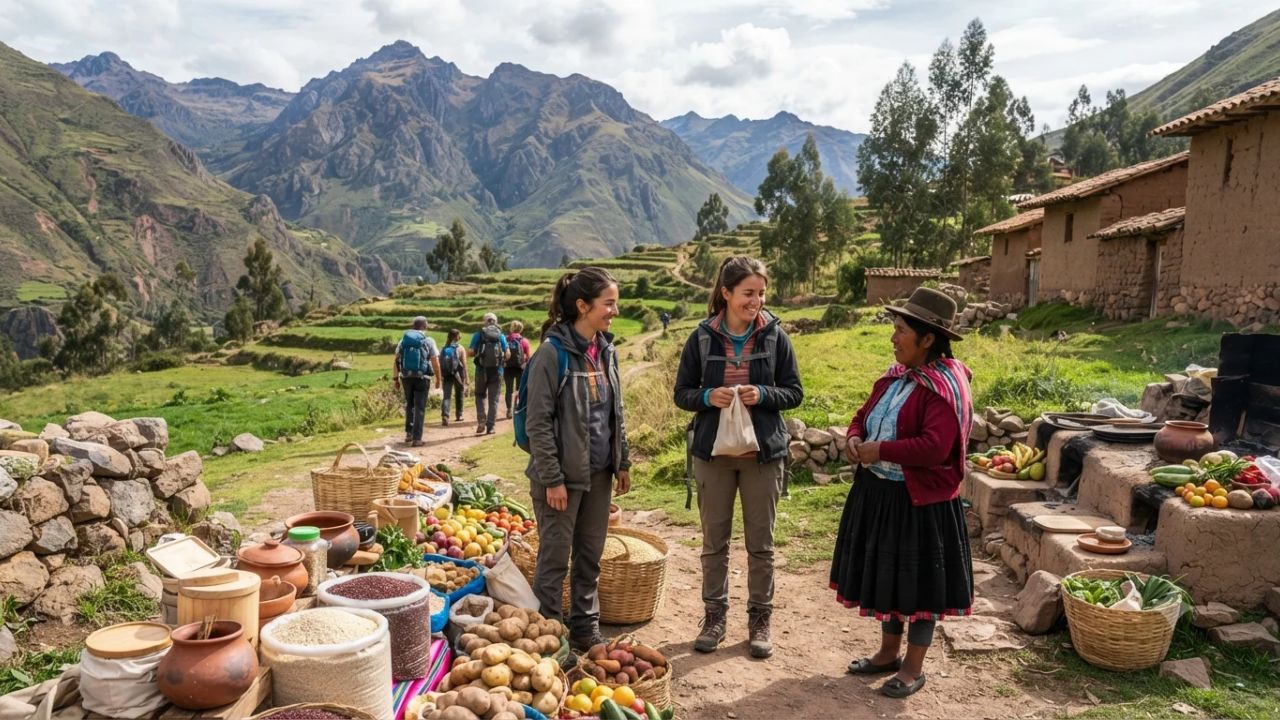
While over 90 per cent of travelers heading to Machu Picchu unknowingly leave a trail of single-use plastic waste across Andean trails, a pioneering Quechua-led enterprise in the quiet village of Lamay has secured B Corp certification across three interconnected businesses: an adventure outfitter, a zero-waste grocery, and a trail catering kitchen. Awarded in July 2026 by B Lab, this milestone achieved by Quechua Treks Perú proves that sustainable mountain tourism requires redesigning the entire culinary and retail supply chain rather than merely handing trekkers a reusable water canteen.
Operating for close to two decades across the Sacred Valley of the Incas, Quechua Treks did not restrict its sustainability assessment to guiding operations. Instead, the B Corp audit rigorously evaluated the parent trekking agency alongside Del Campo Mercado—a package-free bulk grocer supporting native Andean farmers—and Del Campo Catering, which prepares organic, trail-ready meals using zero single-use plastics. By unifying food sourcing, waste reduction, and fair porter wages under an independently audited standard, the group provides a transformative blueprint for high-altitude trekking across South America.
Inside the Group-Wide B Corp Audit: A Triad of Andean Enterprises
Standard travel certifications often measure only carbon emissions or office electricity usage. The B Corp framework evaluates governance, worker rights, environmental performance, customer stewardship, and community impact.
The July 2026 certification encompasses three distinct operations headquartered in Lamay within the Sacred Valley of Cusco:
| Business Entity | Core Commercial Function | Audited Sustainability Mechanism |
|---|---|---|
| Quechua Treks Perú | Mountain trekking and cultural expeditions | Fair porter compensation, cultural preservation, small-group limits |
| Del Campo Mercado | Zero-waste bulk retail and community market | Plastic-free bulk grains, reusable glass containers, direct farmer trade |
| Del Campo Catering | Outdoor expedition catering and food logistics | Organic native crops, elimination of single-use food packaging on trails |
| B Corp Certification Date | July 2026 | Comprehensive audit by global standards organization B Lab |
| Geographic Base | Lamay, Sacred Valley, Peru | High-altitude agricultural corridor outside Cusco |
By sourcing provisions through Del Campo Mercado and prepping expedition meals via Del Campo Catering, Quechua Treks eliminates hundreds of pounds of plastic packaging before expeditions ever set foot on fragile mountain passes.
What Sets the Sacred Valley Apart: Living Inca Agriculture
The Sacred Valley of the Incas (Urubamba Valley) served as the agricultural engine of the Inca Empire, blessed with fertile soils, glacial rivers, and microclimates capable of cultivating hundreds of native corn and potato varieties.
While Cusco and the Historic Sanctuary of Machu Picchu—both protected under UNESCO World Heritage status—draw massive tourist crowds, rural farming hamlets like Lamay, Pisac, and Ollantaytambo preserve living Quechua traditions. Here, farmers still navigate pre-Columbian stone irrigation canals and practice Ayni (reciprocal community labor).
Trekkers traveling along alternative routes—such as the Lares Trek or the high-altitude Salkantay pass—encounter high-altitude weaver cooperatives where alpaca wool is dyed with native lichen and wild cochineal insects. By purchasing directly from community producers, travelers support ancient textile traditions that have survived five centuries of colonial disruption.
Travelers can research registered community-based tourism routes and conservation rules via the official Peru Travel Portal.
Visitor Insider Tips: Timing, Altitude Acclimatization, and Local Feasts
Exploring the Peruvian Andes responsibly requires respecting the physical demands of high elevation and engaging with indigenous customs:
- Acclimatize in the Sacred Valley First: Rather than spending your first nights in high-altitude Cusco (3,400 meters / 11,150 feet), transfer immediately upon landing to the Sacred Valley (2,870 meters / 9,400 feet). Towns like Lamay and Urubamba offer richer oxygen levels, warmer microclimates, and peaceful colonial plazas that ease altitude adjustment.
- Savor Heirloom Tubers and Sacred Valley Trout: Taste traditional Andean slow food. Order Pachamanca (native tubers, marinated meats, and aromatic huacatay black mint slow-cooked underground over red-hot river stones) and pan-seared rainbow trout sourced from high glacial streams.
- Support Bulk Zero-Waste Markets: When stocking up on trail snacks like dried golden berries (aguaymanto), roasted fava beans (habas), and native cacao nibs, bring reusable cloth bags to Del Campo Mercado in Lamay to avoid generating plastic waste in remote mountain villages.
- Hydrate with Muña Tea Instead of Coca Overkill: While coca leaf tea is famous for combating altitude fatigue, locals prefer brewing wild Andean mint (muña). It soothes high-altitude stomach acidity, improves digestion, and warms the body before chilly mountain nights.
- Respect Porters and Tip Transparently: When embarking on multi-day treks, ensure your outfitter complies with the Peruvian Porter Law (guaranteeing fair wages, proper sleeping mats, warm gear, and maximum 20 kg pack limits). Tip porters directly in local Peruvian Soles (PEN) rather than through third-party intermediaries.
Cultural and Environmental Context: Sustainable Supply Chains
The environmental integrity of the Andes is under severe pressure from climate change and unmanaged tourism footfall. Receding tropical glaciers like Mount Salkantay threaten the freshwater supply for downstream farming communities and cloud forests surrounding Machu Picchu.
In response, the three-business model created by Quechua Treks demonstrates how tourism expenditure can be directed toward environmental protection. By purchasing heirloom potatoes, quinoa, and organic vegetables directly from smallholder Andean farmers at premium prices, the catering and grocery arms ensure that agricultural profits remain in the Sacred Valley.
Furthermore, minimizing trail waste protects fragile alpine ecosystems administered by SERNANP (Servicio Nacional de Áreas Naturales Protegidas por el Estado). By packing out all organic and non-organic materials and utilizing biodegradable cleaning agents, sustainable operators demonstrate that adventure travel can actively regenerate local communities rather than deplete them.
FAQ: Sustainable Trekking in Peru's Sacred Valley in 2026
What makes Quechua Treks' B Corp certification unique in Peru?
It is the first B Corp certification in the Sacred Valley that covers a complete travel ecosystem: an adventure trekking operator, a zero-waste grocery store, and an outdoor catering business.
Why is Lamay a strategic base for Sacred Valley exploration?
Lamay sits at a lower altitude (2,870m) than Cusco, offering easier acclimatization, authentic Quechua farming culture, zero-waste markets, and direct access to the Lares trekking trail.
When is the best season for trekking in the Sacred Valley and Machu Picchu?
The dry Andean winter from May to September offers clear blue skies, minimal rainfall, and crisp sunny days ideal for mountain photography and high passes.
How does zero-waste catering work on multi-day treks?
Meals are prepared using locally sourced organic ingredients packed in reusable containers, eliminating single-use plastic wrappers and carrying all waste out of mountain reserves.
[Where ancient stone terraces climb toward snow-capped Andean peaks, true travel wisdom honors the earth and the hands that harvest it.]
Related Travel Guides
This article is for informational purposes. Flight routes, passenger regulations, visa rules, and transit advisories are subject to change by airlines and aviation authorities. Readers are advised to verify schedules and travel documentation with relevant carriers and border agencies before departure.
Related Stories

Ayodhya Deepotsav 2026 Logistics Guide: Attending the 30 Lakh Lamp Festival in India

WTM London 2026: AI Booking Shifts and Global Tourism Growth Forecasts for 1.57 Billion Arrivals