
Reviving Quebec City's Forgotten Spire: Inside the $250K Transformation of Église Saint-Jean-Baptiste

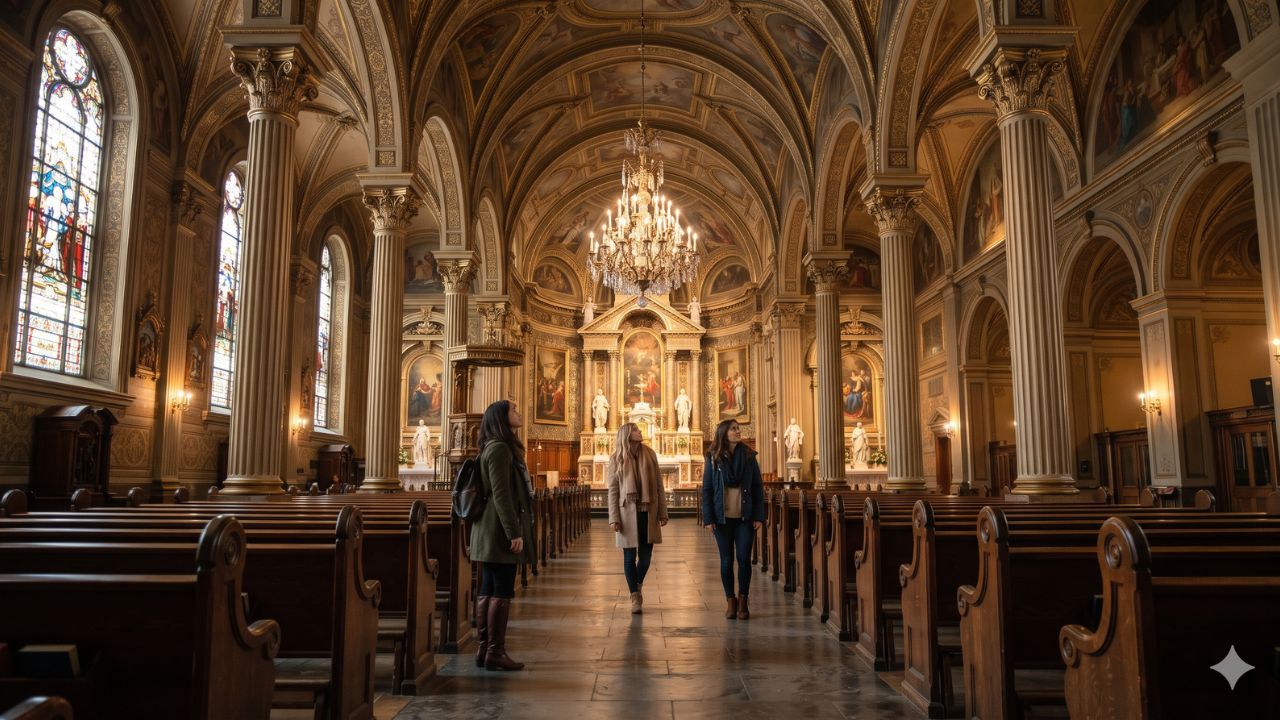
Soaring 73 meters above the cobblestones of Faubourg Saint-Jean, the second-tallest church spire in Quebec City stood in complete silence for nearly a decade, its doors locked shut since Pentecost 2015. Today, this monumental neo-Renaissance sanctuary is preparing for a creative resurrection. Backed by a targeted $250,000 non-repayable grant from Canada Economic Development for Quebec Regions (CED) under the federal Tourism Growth Program, Église Saint-Jean-Baptiste is being converted into a year-round acoustic concert hall, cultural exhibition space, and architectural heritage destination.
Rather than attempting to shoulder a full multi-million-dollar structural overhaul in a single leap, this strategic investment prepares the decommissioned monument for visitor access, public exhibitions, and acoustic performances. Crucially, the initiative decentralizes tourism outside the dense, tour-bus corridors of the walled Upper Town, channeling curious travelers directly into the bohemian cafes, artisanal bakeries, and indie record shops that define Rue Saint-Jean.
The Fire of 1881 and Peachy’s Parisian Masterpiece
The roots of Église Saint-Jean-Baptiste are forged in catastrophe. In June 1881, a devastating fire swept through the working-class Faubourg Saint-Jean district, reducing an earlier 1849 parish church and hundreds of surrounding wooden homes to smoldering ash. Resolute in rebuilding, parish leaders commissioned architect Joseph-Ferdinand Peachy, a prodigy of master builder Charles Baillairgé and a lifelong resident of the neighborhood.
Between 1882 and 1887, Peachy erected a colossal stone basilica that broke boldly with standard French-Canadian parish designs. Drawing inspiration from Théodore Ballu’s famed Église de la Sainte-Trinité in Paris, Peachy married French Academic Revival grandeur with Second Empire ornamentation, crowning the limestone facade with an imposing 73-meter (240-foot) central bell tower.
Inside, the cavernous sanctuary houses some of North America's most revered liturgical treasures:
- The 1890 Casavant Frères Pipe Organ: Recognized as a masterpiece of late nineteenth-century Canadian acoustic engineering, featuring thousands of hand-tuned pipes that fill the vaulted nave with rich orchestral resonance.
- Louis Jobin’s Hand-Carved Angels: Towering adoring wooden cherubs carved by celebrated master sculptor Louis Jobin, positioned gracefully above the sanctuary choir.
- Rescued Plamondon Medallions: Four circular oil-on-canvas paintings by master artist Antoine Plamondon, miraculously salvaged from the flames of the 1849 structure minutes before the roof collapsed.
Despite its protected status under Quebec’s Cultural Heritage Act, dwindling parish membership and soaring winter heating bills forced the Roman Catholic Archdiocese of Quebec to abandon services in 2015. The building slipped into cold dormancy until this federal tourism intervention breathed fresh purpose into its silent vaults.
What Makes Faubourg Saint-Jean Different from Old Quebec
While international crowds gather within the stone battlements of the Historic District of Old Québec, recognized across the globe by the UNESCO World Heritage Centre, the authentic heartbeat of Francophone city life thrives just outside the Saint-Jean Gate.
Faubourg Saint-Jean is Quebec City’s bohemian village. Sloping gently westward from the fortified ramparts, Rue Saint-Jean presents a colorful streetscape of nineteenth-century mansard roofs, wrought-iron balconies, and independent shopfronts:
- J.A. Moisan Épicier: Established in 1871, this is officially North America’s oldest continuously operating grocery store, packed with imported mustards, artisanal cheeses, and jars of wild cloudberry jam.
- Épicerie Européenne: A family-run institution where locals gather for imported charcuterie, crusty baguettes, and artisanal olive oils.
- Cantook Micro-Torréfaction: A craft coffee roastery that roasts single-origin beans over wood fire, filling the crisp morning air with rich aromas.
- Escalier du Faubourg: A dizzying outdoor iron staircase that plunges down the cliff face into the trendy lower-city district of Saint-Roch, offering sweeping views of the Saint-Charles River valley.
Architectural Lineage and Phased Reactivation Roadmap for Église Saint-Jean-Baptiste
The project balances urgent heritage conservation with immediate tourism access through a structured, multi-stage reopening schedule:
| Project Milestone | Operational Window | Primary Technical Scope & Conservation Goals | Public Visitor Deliverables |
|---|---|---|---|
| Phase 1: Stabilization & Infrastructure | Mid-2025 to Early 2026 | Site prep, climate controls, acoustic baffling, accessible ramps | Closed to public; ensures code compliance and interior safety |
| Phase 2: Pilot Activation & Heritage Tours | Summer 2026 | Limited ticketed access, exhibition lighting, nave stabilization | Guided architectural tours, Plamondon art displays, Casavant organ recitals |
| Phase 3: Full Public Operations | Spring 2027 Onward | Permanent community cultural hub, full seasonal schedule | Year-round acoustic concerts, regional craft markets, private event bookings |
| Architectural Specifications | Built 1882–1887 | Designed by Joseph-Ferdinand Peachy; 73m (240 ft) central spire | Modeled on Église de la Sainte-Trinité in Paris; protected provincial asset |
Visitor Insider Tips: Exploring Faubourg Saint-Jean Like a Local
To experience the neighborhood beyond standard guidebooks, keep these local recommendations close at hand:
- Walk from Porte Saint-Jean Instead of Taking Taxis: Rather than hiring a cab, walk five minutes west through the stone arches of Porte Saint-Jean. The street transitions instantly from historic souvenir shops to vibrant neighborhood bistros, bookstores, and vinyl shops.
- Capture the Spire from Rue Saint-Gabriel: For the quintessential architectural photograph, step into Rue Saint-Gabriel at late afternoon. The angle frames Peachy’s 73-meter spire soaring above colorful tin-clad mansard roofs under warm northern sunlight.
- Attend the Summer 2026 Pilot Organ Recitals: If visiting during July or August 2026, check local cultural listings with Destination Québec cité to secure limited-capacity tickets for the inaugural Casavant organ concerts, celebrating the instrument's return to public life.
- Warm Up with French-Canadian Tourtière at Chez Ashton: After exploring the stone nave in cooler autumn weather, drop by Chez Ashton on Rue Saint-Jean for authentic poutine or traditional spiced meat tourtière paired with a local spruce beer.
- Descend into Saint-Roch via the Cliffside Stairs: Take the outdoor Escalier du Faubourg at the corner of Rue Sainte-Claire. The descent into lower-city Saint-Roch connects you directly to craft breweries, tech ateliers, and the thriving culinary scene along Rue Saint-Joseph.
Cultural and Environmental Context: Adaptive Reuse and Secular Heritage
Quebec’s relationship with its ecclesiastical architecture is deeply layered. Following the rapid secularization of the 1960s Quiet Revolution (Révolution tranquille), church attendance plummeted, leaving hundreds of vast Victorian sanctuaries financially stranded. Across the province, communities have wrestled with whether to demolish, abandon, or repurpose these limestone landmarks.
Adaptive reuse offers a sustainable third way. Pioneered by successful conversions such as Le Monastère des Augustines in the Upper Town—which transformed a seventeenth-century convent into an acclaimed wellness and heritage retreat—reimagining churches as secular cultural hubs protects irreplaceable masonry while eliminating the carbon expenditure of new construction.
Supported through the federal Tourism Growth Program managed by Canada Economic Development, the revival of Église Saint-Jean-Baptiste sets a national benchmark for sustainable heritage stewardship. By retrofitting the building with modern environmental controls, acoustic paneling, and universal accessibility, the project guarantees that Joseph-Ferdinand Peachy’s architectural legacy continues to inspire artists, neighbors, and travelers for generations to come.
FAQ: Visiting Église Saint-Jean-Baptiste and Faubourg Saint-Jean 2026
When can the public visit inside Église Saint-Jean-Baptiste?
The landmark begins limited ticketed access in Summer 2026 for guided architectural tours and organ recitals, with full year-round cultural operations launching in Spring 2027.
How far is Faubourg Saint-Jean from Old Quebec?
Faubourg Saint-Jean begins directly outside the historic city ramparts, just a five- to ten-minute walk west through the Porte Saint-Jean gate.
What is unique about the Casavant organ inside the church?
Installed in 1890, the pipe organ represents a pinnacle of nineteenth-century Canadian craftsmanship, boasting exceptional acoustic resonance within the expansive vaulted nave.
Is the neighborhood accessible during winter?
Yes. Rue Saint-Jean is thoroughly plowed and illuminated throughout the winter season, offering cozy boutique shopping, warm cafes, and direct access to winter carnival festivities.
When the morning sunlight hits the limestone arches of Faubourg Saint-Jean, one realizes that heritage is not meant to be locked in silence, but re-tuned to the song of the city around it.
Related Travel Guides
- Amex Travel Integrates One Million Airbnb Stays: Rewards and Luxe Rules 2026
- Etihad Connects Luxembourg to Abu Dhabi: Middle East Route on the A321LR 2026
- Singapore Airlines Expands Adelaide Flights to Record 12 Weekly Services: Travel Boom 2026
- Blue Mountains Overnight Escapes: Western Sydney Airport Link and Nature Retreats 2026
Disclaimer
This article is for informational and educational purposes only. It does not constitute legal, financial, or professional advice. While we strive to provide accurate and up-to-date information, travel policies, regulations, and conditions change rapidly. Always verify information with official sources before making travel decisions. Nomad Lawyer makes no representations about the accuracy, reliability, completeness, or suitability of the information provided. Readers should consult qualified professionals for advice specific to their circumstances. The views expressed in this article are those of the author and do not necessarily reflect the views of Nomad Lawyer.
Kunal K Choudhary
Co-Founder & Contributor
A passionate traveller and tech enthusiast. Kunal contributes to the vision and growth of Nomad Lawyer, bringing fresh perspectives and driving the community forward.
Learn more about our team →