
Quark Expeditions Releases 70 Polar Voyages for Arctic 2028 and Antarctic 2028–29 Seasons Across Svalbard, Greenland, Iceland, Patagonia
Quark Expeditions unveils its earliest seasonal programme in 35 years, featuring 70+ polar departures, guided photography programmes, and Northwest Passage voyages for 2028–2029.

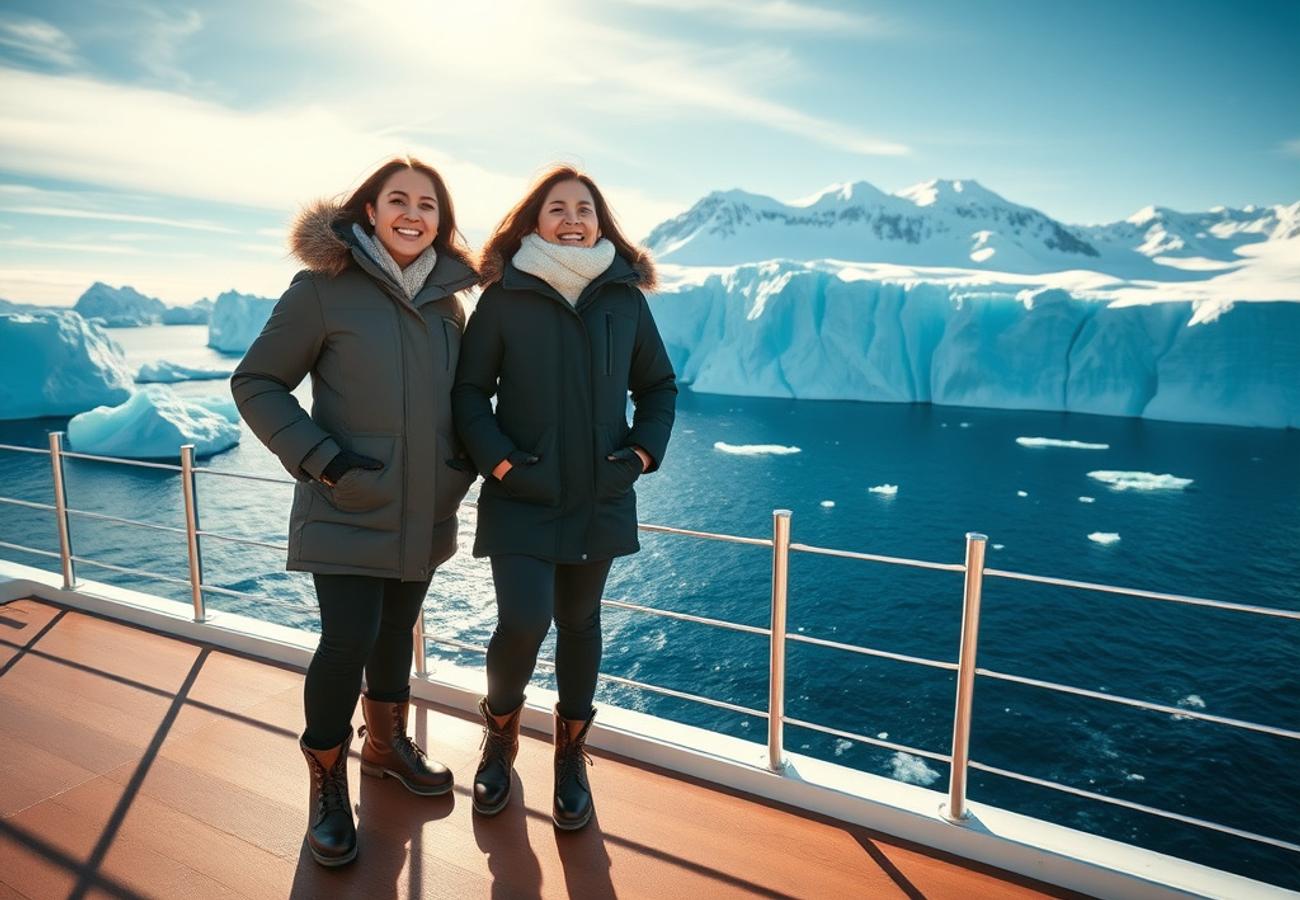
Image generated by AI
Historic Early Release Signals Explosive Growth in Polar Expedition Travel
Quark Expeditions just made a bold statement. On June 30, 2026, the company released its complete polar expedition programme for 2028 and 2028–29—marking the earliest seasonal release in the company's 35-year history.
This isn't just schedule planning. It's a calculated move reflecting a seismic shift in how wealthy travellers are spending their time and money. Demand for remote, science-oriented polar expeditions has reached levels the industry hasn't seen before, and Quark is positioning itself ahead of the curve.
The numbers tell the story: more than 70 departures spanning both Arctic and Antarctic regions. Destinations include Svalbard, Greenland, Iceland, Patagonia, the Antarctic Peninsula, South Georgia, and the Falkland Islands. But the real headline? A brand-new voyage through the Northwest Passage—one of the most historically significant and logistically challenging maritime routes on Earth.
Reddit: "Booking a Quark expedition felt like joining a exclusive club. The early release means serious travellers are already locking in their polar adventures before the masses hear about it." — r/travel
The Northwest Passage: From Legend to Luxury Cruise Itinerary
The Northwest Passage has haunted maritime explorers for centuries. Franklin expeditions vanished. Ships became trapped in pack ice. Yet climate change and modern ice-class vessel technology have made what was once impossible now achievable—and profitable.
Quark's new Northwest Passage voyage connects remote Arctic communities like Arctic Bay and Lancaster Sound. This isn't a leisurely Caribbean cruise. These are working Arctic settlements where polar bears outnumber people, where the landscape hasn't fundamentally changed in millennia, and where a single wrong navigation decision can still spell disaster.
The introduction of this itinerary signals something critical: expedition operators now have the operational expertise, regulatory frameworks, and vessel capability to safely navigate extreme polar waters. What was fantasy five years ago is now bookable reality.
Guided Photography Programme: Expedition Tourism Gets an Upgrade
Here's where Quark separates itself from standard cruise operators.
The 2028 season introduces a Guided Photography Programme that redefines how polar expeditions add educational and creative value. Each group caps at 16 guests—deliberately small for personalised instruction. Lead Photo Guides combine technical training with real-time field positioning.
The structure is methodical: priority Zodiac placement for optimal angles during wildlife encounters, daily image review sessions, and a "learn-shoot-share" cycle reinforced throughout the voyage. This reflects a wider industry trend where education and skill development are becoming core travel value propositions, not afterthoughts.
For wealthy travellers already spending $15,000+ per person on polar cruises, adding structured creative development transforms the experience from "I went to Antarctica" into "I learned Arctic wildlife photography in one of Earth's most extreme environments."
Land Extensions Transform Single Destinations into Multi-Region Journeys
Quark's new Expedition Extensions programme offers pre- and post-voyage land experiences that fundamentally reshape how polar trips are constructed.
Travellers can now combine their Antarctic voyage with Torres del Paine National Park exploration in Patagonia, Iguazu Falls visits, wellness retreats in Finland, or volcanic region journeys in Iceland. These aren't random add-ons—they're curated experiences that provide geographical context, cultural immersion, and extended destination engagement.
This model shifts expedition tourism from being ship-centric to being region-centric. A traveller booking a Greenland voyage can now experience Arctic culture in Reykjavik before boarding, then extend into Patagonia after their Antarctic cruise. It's destination stacking for the ultra-affluent traveller.
Indigenous Culinary Innovation at Sea
The Tundra to Table programme—developed in partnership with the Greenlandic chef collective Igapall—represents something increasingly rare in tourism: genuine Indigenous collaboration rather than performative cultural tourism.
This initiative showcases traditional Arctic culinary practices, local food sourcing, and cultural storytelling onboard select Arctic voyages. It's not a gimmick. It's active cultural preservation that generates economic value for Indigenous communities while educating international travellers about Arctic food traditions that have sustained northern peoples for millennia.
Research Meets Tourism: Scientific Expeditions Take Priority
The Antarctic 2028–29 programme dedicates 470 cruise nights to research partners and field scientists. Expeditions feature experts like Ari Friedlaender from UC San Diego's Friedlaender Lab, conducting marine mammal behaviour research and ecosystem documentation.
This integration transforms expedition cruising from pure tourism into active environmental research participation. Travellers aren't just observing polar ecosystems—they're contributing to data collection for climate and biodiversity studies. It strengthens the sector's credibility as a platform for conservation awareness and scientific collaboration.
Early Booking Opens to Repeat Passengers First
Booking commenced in June 2026 for repeat passengers before general public launch. This tiered access strategy reflects how specialised the expedition cruise market has become.
Limited vessel capacity (expedition ships typically carry 50–200 passengers versus mass-market cruises carrying 4,000+) means premium voyages book out months or years in advance. Early access rewards loyalty while generating immediate revenue signals for operational planning.
For the industry, this booking structure indicates confidence in sustained demand. Quark isn't experimenting with early releases as marketing gimmick—they're responding to demonstrated market appetite from wealthy repeat passengers hungry for polar access.
What This Means for the Broader Expedition Tourism Sector
Quark's early programme release and aggressive expansion signal several critical industry trends:
First, polar expedition tourism is transitioning from niche luxury into mainstream affluent travel. Second, educational integration—photography, science, culture—is becoming table stakes for premium operators. Third, partnerships with Indigenous communities and research institutions are moving from optional to essential. Fourth, climate-driven accessibility changes are opening new routes (like Northwest Passage) faster than infrastructure can handle.
The 2028–29 seasons will likely influence Arctic region infrastructure development, sustainable vessel technology investment, and destination management strategies across Greenland, Iceland, Svalbard, and Canada. As demand grows, these regions face critical choices about balancing visitor access with environmental protection.
This is expedition tourism's inflection point. Quark's 70-voyage release isn't just a scheduling announcement—it's a declaration that remote polar travel has become economically significant enough to justify major operational commitment, vessel deployment, and partnership development.
The race to the poles just became a business opportunity worth billions—and the environmental consequences are still being written.
Related Travel Guides
Disclaimer
This article is for informational and educational purposes only. It does not constitute legal, financial, or professional advice. While we strive to provide accurate and up-to-date information, travel policies, regulations, and conditions change rapidly. Always verify information with official sources before making travel decisions. Nomad Lawyer makes no representations about the accuracy, reliability, completeness, or suitability of the information provided. Readers should consult qualified professionals for advice specific to their circumstances. The views expressed in this article are those of the author and do not necessarily reflect the views of Nomad Lawyer.
Raushan Kumar
Founder & Lead Developer
Full-stack developer with 11+ years of experience and a passionate traveller. Raushan built Nomad Lawyer from the ground up with a vision to create the best travel and law experience on the web.
Learn more about our team →